Energy security: Opportunity to shape new cooperation between Indonesia and Vietnam

Indonesia and Vietnam could further concretise energy cooperation based on respecting each other's domestic needs while building a common stance on regional and global energy issues, according to retired Lieut. Gen. Lumban Sianipar, former Indonesian Defence Attaché to Vietnam and now a senior lecturer at the Indonesian National Resilience Institute (LEMHANNAS).

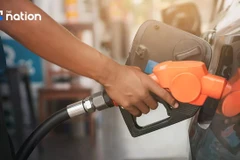
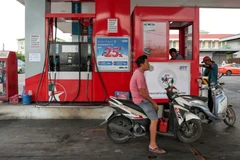
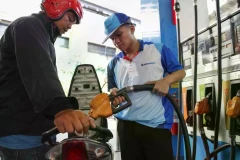
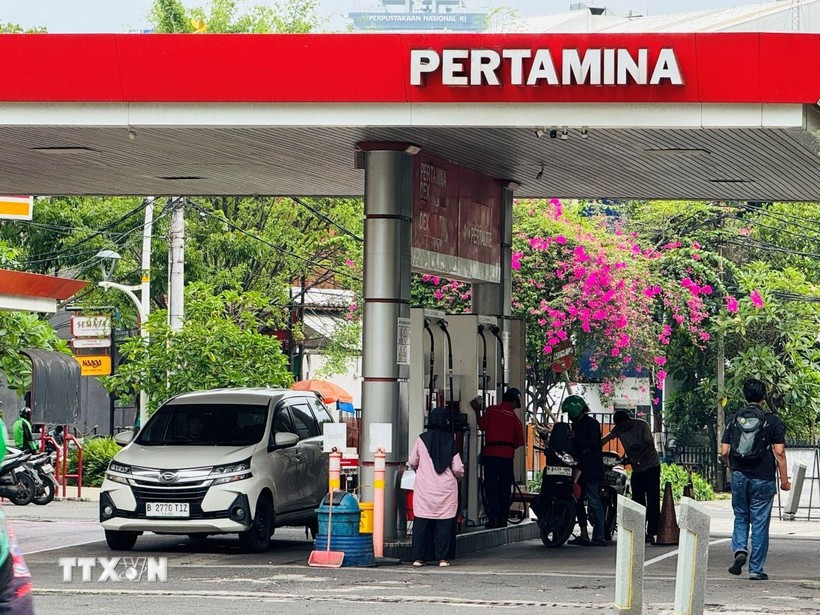
A petrol station in Indonesia (Photo: VNA)

Jakarta (VNA) – Indonesia and Vietnam could further concretise energy cooperation based on respecting each other's domestic needs while building a common stance on regional and global energy issues, according to retired Lieut. Gen. Lumban Sianipar, former Indonesian Defence Attaché to Vietnam and now a senior lecturer at the Indonesian National Resilience Institute (LEMHANNAS).

Sianipar said Vietnam appears relatively well prepared to cope with global energy fluctuations. Drawing on his experience working in Vietnam, he observed that Vietnam demonstrates strong autonomy in energy policymaking and maintains flexibility in energy management.

He suggested Vietnam continue pursuing two key approaches: strengthening domestic energy self-reliance and expanding cooperation within the Association of Southeast Asian Nations (ASEAN).

From a strategic perspective, he emphasised that ASEAN should reinforce internal solidarity and enhance its collective role amid growing global uncertainty. Closer coordination among energy-capable members, particularly Vietnam and Indonesia, would strengthen the bloc’s international bargaining power and help member states better navigate global energy market volatility.

Sianipar expressed confidence that Vietnam has sufficient capacity to address current challenges and may, in some aspects, be even better prepared than Indonesia.

He said that amid escalating tensions in the Middle East and disruptions to global oil and gas supplies through the Strait of Hormuz, Indonesia, Southeast Asia’s largest economy, is striving to maintain domestic stability while accelerating a transition towards a more sustainable and self-reliant energy system.

The Indonesian Government has introduced several measures, beginning with energy-saving efforts in the public sector. President Prabowo Subianto has directed agencies to enhance energy efficiency, including adopting remote working arrangements in some offices to reduce fuel consumption and operating costs. The government has also maintained fuel subsidies to protect households and stabilise the macro-economy. Should tensions persist and oil prices continue rising sharply, Indonesia may adjust subsidy levels or retail prices to ease fiscal pressure while avoiding major economic shocks.

According to Sianipar, these measures may help stabilise the situation in the short term but do not address Indonesia’s core vulnerability, dependence on external energy supplies, highlighting the need for greater long-term energy self-sufficiency.

Indonesia plans to accelerate the development of non-fossil energy sources, including renewable and alternative energy, to gradually reduce reliance on imported fossil fuels. He noted that this strategic direction had been defined before the Middle East conflict, with recent developments only reinforcing its urgency. The government has mapped out a roadmap to increase the share of renewables while carefully balancing energy transition goals with socio-economic stability, avoiding rushed decisions during periods of crisis./.

VNA
See more

A building collapses in Bangkok, Thailand, following the impact of the March 28, 2025 earthquake in Myanmar. (Photo: Kyodo/VNA)

Thai capital upgrades disaster response capacity

Bangkok Deputy Governor Tavida Kamolvej said The BMA has significantly enhanced its urban search and rescue capabilities, integrating firefighters with emergency medical technicians to create hybrid units.

Smugglers disguise the sea cargo carried on a lorry travelling from Indonesia to Cambodia as dried fish skin. (Photo: National Parks Board)

Singapore seizes record haul of pangolin scales

The National Parks Board (NParks) confirmed that the scales originated from the species Manis javanica, commonly known as the Sunda pangolin, after conducting genetic analysis. This critically endangered species is native to South-east Asia, including Singapore.

UN warns of deepening food crisis in Myanmar

UN warns of deepening food crisis in Myanmar

The crisis is also striking Myanmar’s farmers as they prepare for monsoon crops. With fertiliser demand expected to rise over the next three months, fuel shortages and rising input costs are threatening to push production expenses to double last year’s levels.

Lao National Assembly has approved in-principle a railway project linking Thakhek township in Khammouane province of Laos and the Mu Gia border gate in Vietnam’s Quang Binh province (Photo: kpl.gov.la)

Laos pushes rail link with Vietnam

The project is seen as a strategic step to help transform Laos from a landlocked country into one better connected to regional and global markets via the East–West Economic Corridor.

Malaysia rolls out measures to reduce healthcare costs

Malaysia rolls out measures to reduce healthcare costs

A report by BMI, a market research firm under Fitch Solutions, indicates that the focus of this policy is to increase the share of domestically produced medical products and establish a legal framework that prioritises essential medicines, especially generic drugs and biosimilars.

An aerial photo shows heavy vehicles and machinery being operated to collect coal along the coast of Peunaga Cut Ujong, Meureubo district, Aceh, on January 9, 2026. (Photo: Antara)

Indonesia plans coal export tax from April

The planned levy comes as Indonesia faces mounting fiscal pressure from higher global oil prices, which are driving up energy subsidy costs and raising the risk of a wider budget deficit.

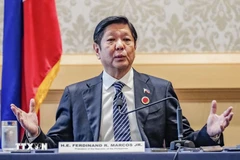
Philippine President Ferdinand Romualdez Marcos Jr. (Photo: Kyodo/VNA)

ASEAN leaders to discuss oil, food and migrant labour

The Philippines holds the ASEAN Chairmanship in 2026 under the theme “Navigating our future, together,” with three key priorities: strengthening peace and security, enhancing economic connectivity, and empowering people.