Hanoi (VNA) – In recent years, many highland communities have drawn on natural landscapes, traditional crafts and everyday customs to develop tourism products and tell the cultural stories of their localities.
Through this process, residents have gained a deeper understanding of their ethnic cultural identity, recognising it as the foundation for creating distinctive experiences and unique appeal for each destination.
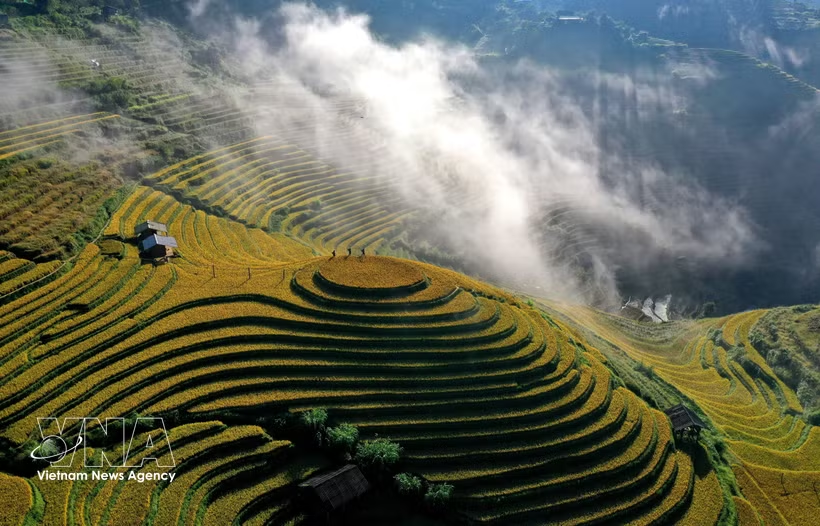
In Mu Cang Chai commune of Lao Cai province, cultural values are promoted through symbols associated with the landscapes and settlement of the Mong ethnic minority people.
In late 2017, Giang A De and his wife began operating Hello Mu Cang Chai homestay. Its appeal lies in the area’s iconic terraced rice fields, community-based experiences and stories shared by local residents.
De said the terraced fields are the result of labour and cultivation passed down through generations, with the Mam Xoi Hill serving as a symbol of Mu Cang Chai. During the rice harvest season, the hill resembles a tray of sticky rice on a family meal tray, symbolising prosperity and happiness. As farmers fill the terraced rice fields with water (known as the water-filling season), sunlight reflected on the terraces marks the beginning of a new crop, expressing aspirations for fertility and growth.
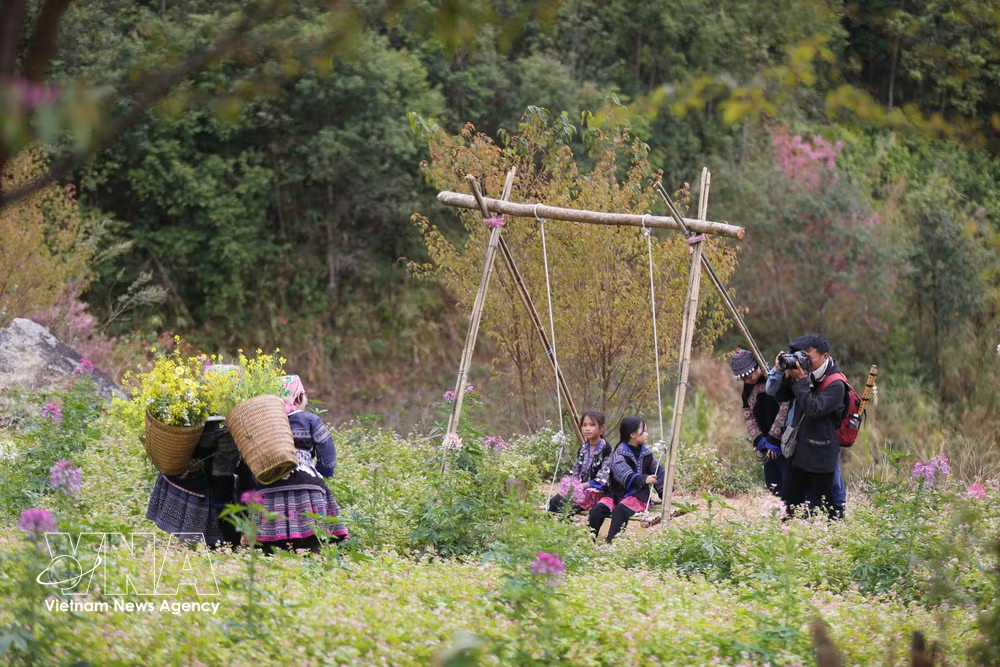
Sharing such knowledge helps visitors better understand farming practices, agricultural production cycles, and how the Mong people have adapted to natural conditions to create spectacular terraced landscapes.
Understanding traditional culture also gives communities greater confidence to act as owners and drivers of tourism development while promoting their homeland.
Culture drives tourism
Ta Van village, located in Muong Hoa Valley about 10km from the centre of Sa Pa ward in Lao Cai province, is home to Mong, Giay and Dao ethnic communities. Its terraced fields and diverse cultural landscape have created a distinctive attraction.
Phan Thi Hen, a Giay ethnic resident of Ta Van and owner of Local Shop, which sells brocade and handicraft products, said visitors come to Sa Pa to experience and learn about the daily lives of local people. Therefore, tourism products should be rooted in community life, she said, noting that accommodation, clothing, cuisine and hospitality all reflect local cultural characteristics.
As the number of domestic and international visitors to Sa Pa continues to grow, Giay brocade products have become popular souvenirs. Hen and other women in the village have expanded traditional weaving and indigo-dyeing, incorporating traditional motifs and patterns into modern fashion products. By explaining the meanings behind each pattern and motif, she turns every souvenir into a bridge connecting the local community's life with visitors.
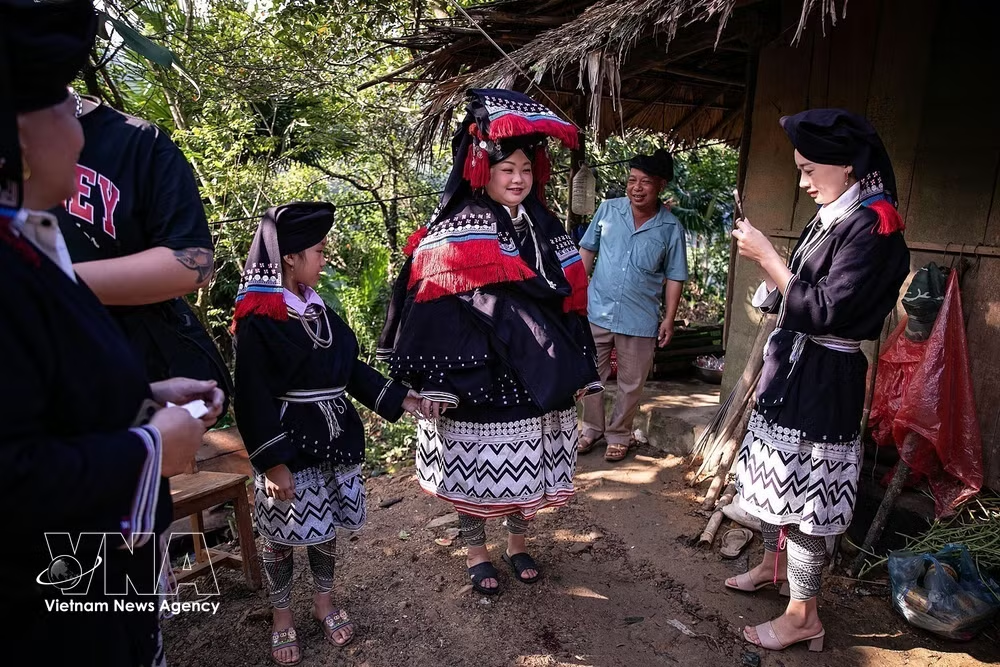
In Da Bac commune of Phu Tho province, indigenous knowledge has likewise been incorporated into tourism through experiences linked to the daily life. Many homestays and farmstays have been built in traditional architectural styles, using natural materials to preserve their rustic character. Visitors can take part in indigo dyeing, do paper-making, embroider scarves, cook with local residents and learn about traditional customs.
After nearly a decade engaging in community-based tourism, Ly Thi Nhat of Sung village has developed Lieu Farmstay around the cultural values of the Dao Tien people. She said indigenous knowledge forms the foundation for community tourism products. Traditional techniques such as indigo dyeing, beeswax painting and pattern-making are incorporated into handicrafts and visitor experiences, enabling residents to preserve traditional crafts while sharing their cultural life with tourists.
With growing recognition of indigenous knowledge, customs and cultural values as unique assets, ethnic communities in the northern mountainous region are shifting from simply providing tourism services to becoming creators and owners of tourism products, confidently telling their own cultural stories.
Integrating local cultural values into tourism is also creating opportunities for local economic development, while helping residents improve service skills, foreign-language proficiency and organisational capacity, laying the foundation for more professional and sustainable tourism models rooted in local culture./.