Lao Cai (VNA) – Lao Cai province is stepping up efforts to promote its One Commune, One Product (OCOP) programme, placing green economic development at its core and digital transformation at the forefront to enhance the value and competitiveness of local products.
Bringing online shops to orchards
Farmers in Lao Cai are increasingly using livestreaming to promote and sell their produce directly from orchards and farms, reaching consumers beyond geographical boundaries.
Muc pomelo, a speciality of Muc hamlet in Bao Thang commune, is one example. Local growers have established a cooperative to organise production, apply safe farming practices, ensure product traceability and develop processed products. These efforts have helped the speciality build its three-star OCOP brand and provide farmers with a more sustainable source of income.
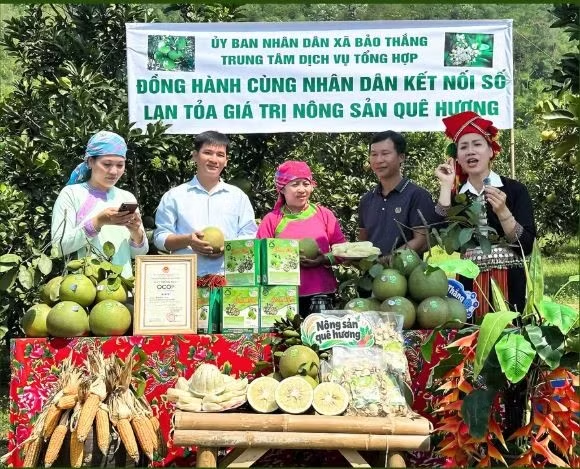
Recently, Bao Thang's General Service Centre worked with the Muc Pomelo Cooperative and local growers to organise a livestream event under the theme “Muc Pomelo – Connecting Digitally, Spreading Agricultural Value”.
The event was broadcast directly from the pomelo orchard of Nguyen Van Tien, a cooperative member. Farmers introduced two three-star OCOP products – fresh Muc pomelos and pomelo tea, and interacted with customers on social media platforms.
By allowing viewers to see the orchard and learn about safe cultivation practices, the livestream helped build confidence in product quality and origin. More than 1,000 fresh pomelos and 20kg of pomelo tea were sold during the session.
Do Thi Ngoc Diep, Deputy Director of Bao Thang's General Service Centre, said the initiative not only supported immediate sales but also demonstrated the effectiveness of cooperation among local authorities, service providers, cooperatives and growers.
In Muong Khuong, more than 700ha of ripe tangerine trees are turning the mountainous landscape golden. The fruit, which has geographical indication protection and three-star OCOP certification, is reaching consumers nationwide through e-commerce platforms, social media and modern distribution networks.
To expand its market, the commune has provided training in green livelihoods and commercialising local tangerines for Bo Y ethnic minority women in Lao Chai hamlet. Participants have learned how to film livestreams, introduce products and engage with customers.
Local grower Lo Din Phung said livestreaming directly from orchards allowed customers to see how the fruit was cultivated, helping address concerns about counterfeit and poor-quality goods. It also allowed farmers to share stories about organic farming practices and local culture.
Telling OCOP stories through digital platforms
OCOP products represent more than agricultural goods. They also reflect the culture, natural conditions and traditions of the communities that produce them.
Examples include ancient-tree tea from Ban Lien, traditional herbal bath products of the Red Dao people in Ta Phin, arrowroot vermicelli from Ban Xeo and artichokes grown in the distinctive climate of the northwestern mountains.
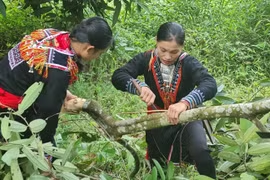
For Tan Ta May, Director of the Red Dao Community Cooperative in Ta Phin, selling OCOP products through Zalo, Facebook and TikTok is also a way to share local heritage. The cooperative has digitised production processes, standardised quality and listed its herbal bath products, foot-soaking products and essential oils on e-commerce platforms. Legal documents, test results, product labels and traceability information are made publicly available.
Through online content, customers can learn about medicinal plants, traditional preparation methods and the knowledge behind the products. May said direct interaction with buyers helped the cooperative build trust and communicate product value more effectively than conventional labels.
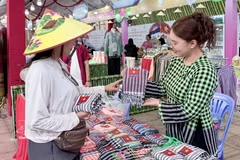
Lao Cai currently has around 600 products rated three to five stars under the OCOP programme. By the end of 2026, the province aims to have at least half of OCOP producers selling through modern channels, while all OCOP products are expected to be listed on e-commerce platforms with digital storefronts and electronic payment options.
The province is also promoting digital product information and traceability systems, while providing training in packaging design, product storytelling, quality standards, intellectual property, e-commerce and online business skills.
By 2030, Lao Cai aims to recognise more than 300 additional OCOP products, averaging 60–70 annually, including at least two five-star products. These efforts are expected to strengthen sustainable value chains, increase agricultural incomes and expand the reach of Lao Cai's OCOP brands in domestic and international markets./.