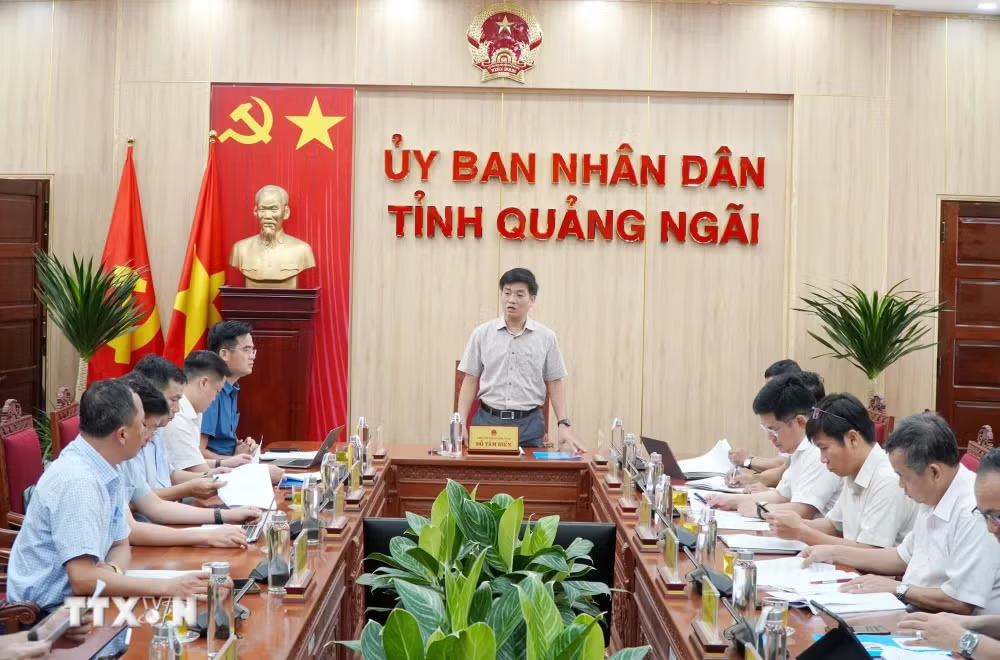
Hanoi (VNA) – The central province of Quang Ngai is leveraging its distinctive linkage between the sea and the mountains to expand its development space, strengthen regional connectivity and build a major marine economic, industrial and logistics hub, Vice Chairman of the provincial People’s Committee Do Tam Hien said.
Under Resolution No. 20-NQ/TW adopted at the 14th Party Central Committee’s third plenum on building Vietnam into a strong maritime nation to 2045, Vietnam aims for prosperity and sustainable development through the sea, with modern marine governance and advanced marine science and technology.
In the following interview with VietnamPlus e-newspaper, Hien highlighted Quang Ngai’s marine economic development strategy, noting that the linkage between the sea and the mountains gives Quang Ngai special conditions few other localities have.
Opening up development space, creating new growth drivers
Reporter: Following its merger with Kon Tum, Quang Ngai has significantly expanded its development space, becoming the country’s fourth-largest province by area. What strategic advantages does the merger create for Quang Ngai to develop into a leading marine economic centre, particularly in central Vietnam?
Vice Chairman Do Tam Hien: The merger of the former Quang Ngai and Kon Tum provinces has created an interconnected development space spanning mountainous, midland, lowland and coastal areas. This creates important conditions for Quang Ngai to fully tap its potential and advantages and generate new growth drivers, gradually developing into a major marine economic centre.
Quang Ngai also has a special geo-economic position, serving both as the closest gateway to the sea for the Central Highlands and an important link along the north-south axis and the East-West Economic Corridor.

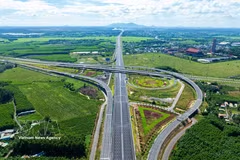
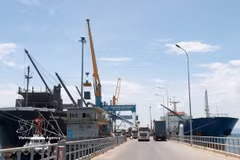
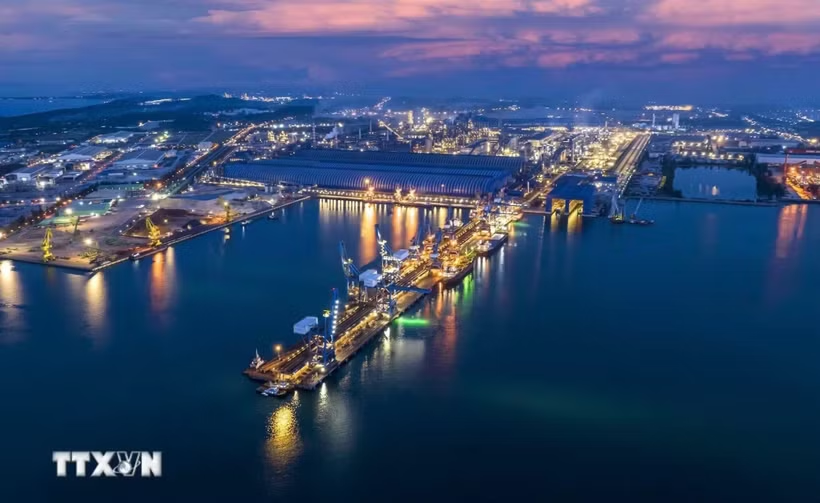
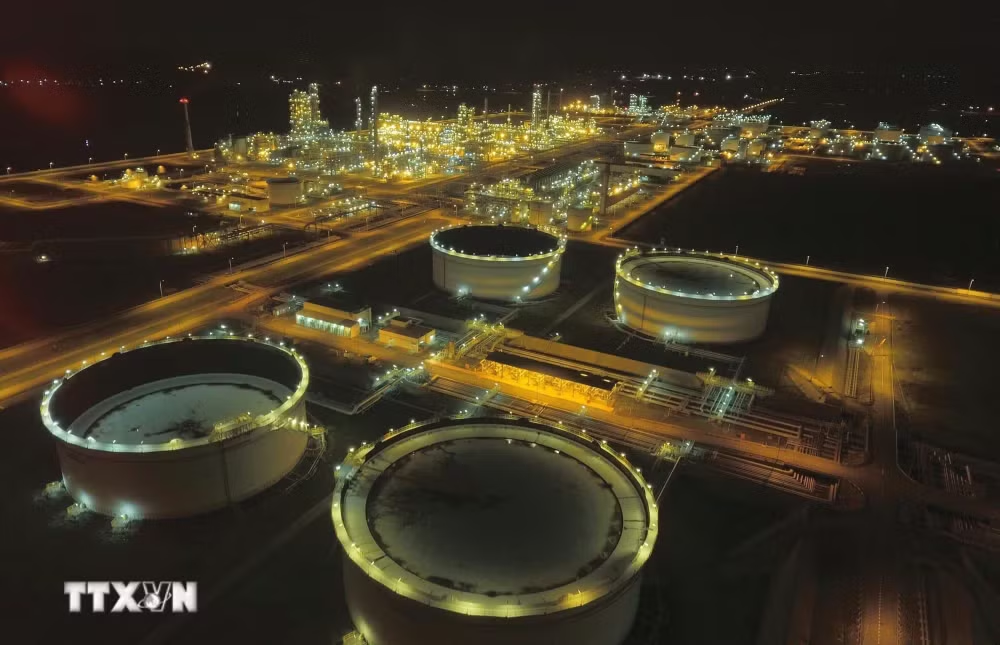
With increasingly developed infrastructure, particularly the Dung Quat Economic Zone, deep-water seaports and external transport networks, the province has favourable conditions to develop large-scale industrial, logistics and port-service centres serving the locality, the Central Highlands region, southern Laos, northern Cambodia and northeastern Thailand.
The expanded space will also enable the province to restructure its economy toward modern and high-value-added sectors, including processing and energy industries, logistics, maritime economy, high-tech marine aquaculture, and sea-island tourism linked with cultural and ecological values.
In the coming period, Quang Ngai will prioritise strategic infrastructure, seaports, logistics, sea-island tourism centres and coastal urban areas; strengthen sea-highlands connectivity; and promote the role of the Dung Quat Economic Zone and industrial parks to create new growth poles.
Building large-scale value chains
Reporter: How will Quang Ngai strengthen cooperation with central coastal localities, the Central Highlands and international partners to form large-scale marine economic value chains?
Vice Chairman Do Tam Hien: The province has determined that marine economic development cannot be pursued within administrative boundaries alone. It must be based on a connectivity-driven approach, with the formation of large-scale value chains that are competitive, both domestically and internationally.
For the central region, the province will strengthen coordination with coastal localities to develop an integrated system of seaports, logistics, processing industries, maritime services, energy and marine tourism. It will also promote cooperation in infrastructure planning, transport connectivity and investment promotion to leverage the strengths of each locality and create development for the entire region.
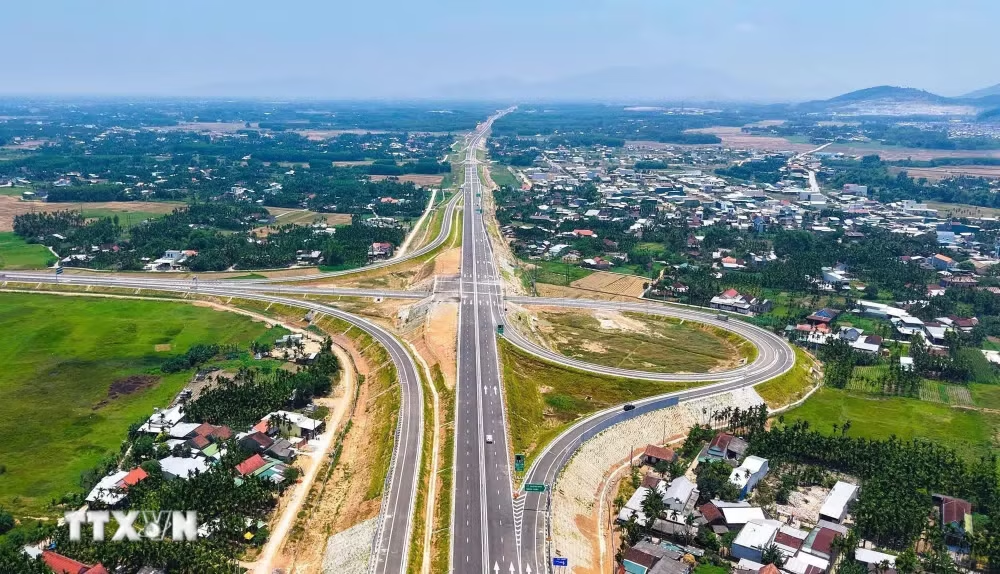
The province will focus on completing east-west transport routes, enhancing the capacity of its seaports, logistics and transport services to facilitate the movement and export-import of agricultural products, minerals and industrial products from the Central Highlands through seaports.
It will also step up cooperation with strategic partners and investors in industry, expand seaports, logistics and high-tech marine farming, and broaden ties with international businesses to attract resources and make effective use of international shipping routes to participate more deeply in global supply and value chains.
With these advantages, together with its development strategy based on regional connectivity and international integration, Quang Ngai aims to become a major industrial, logistics and marine economic hub in central Vietnam, serving as a gateway linking the Central Highlands with the East Sea and emerging as a new growth pole for the region.
Reporter: What are the province’s major difficulties, and what recommendations does it have for the Government, and ministries and sectors?
Vice Chairman Do Tam Hien: Despite its advantages, Quang Ngai still faces challenges, including the need to manage its expanded development space effectively. The province must improve coordination among national and provincial master plans, upgrade seaport, digital and energy infrastructure, mobilise large amounts of capital, and develop high-quality human resources.
First, the merger has expanded the province’s development space while creating new demands for effective resource management and use. However, mechanisms and policies for developing coastal economic zones, logistics, seaports, energy and the marine economy remain insufficiently coordinated, while decentralisation and delegation of authority remain limited.
Second, although the planning system is being gradually completed, national and provincial master plans need further review. Transport connectivity also requires stronger investment, while logistics, seaports, digital and energy infrastructure need upgrading.
In addition, developing strategic infrastructure requires substantial investment, while the province’s capacity to balance its local budget remains limited. The supply of high-quality human resources, particularly in logistics, high-tech industries and modern management, also falls short of the new development requirements.
The province proposed that the Government and relevant ministries and sectors adopt appropriate mechanisms and policies, prioritise resources for strategic infrastructure, strengthen decentralisation together with inspection and supervision, and streamline investment, land, construction and environmental procedures for key projects.
Reporter: What message would you like to extend to businesses and local residents in contributing to the goal of building a strong maritime nation?
Vice Chairman Do Tam Hien: By 2045, Quang Ngai hopes to become one of the country’s leading marine economic, industrial and logistics centres. It seeks to become important for growth in the south-central and Central Highlands region, and a strategic gateway linking the Central Highlands with the East Sea and international shipping routes.
To realise this aspiration, the key is to awaken the aspiration for development, innovation and solidarity across the political system, business community and people.
The province is committed to building a service-oriented administration, accelerating administrative reform, improving the investment environment, and creating favourable conditions for businesses to invest and do long-term businesses in the locality.
For local residents, the province calls on everyone to protect marine resources and the environment, preserve cultural identity, improve human resources, promote a civilised way of life, and engage in digital transformation and innovation. Every effort by residents contributes to building a more prosperous and beautiful homeland./.