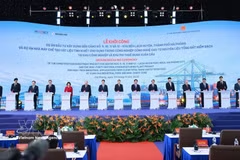
Hanoi (VNA) – The 11th Asia Nuclear Business Platform, taking place in Hanoi on November 25-26, offers Vietnam an opportunity to strengthen ties with international partners, gain access to advanced technologies and experience, and promote cooperation while enhancing national capacity, laying the groundwork for safe, secure and sustainable nuclear power development.
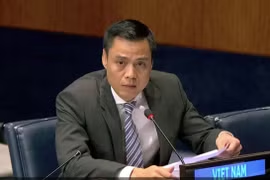
At the forum, jointly organised by the Vietnam Atomic Energy Institute (Vinatom) under the Ministry of Science and Technology (MOST) and the Nuclear Business Platform (NBP), Deputy Minister of Science and Technology Le Xuan Dinh said national commitment is essential but not sufficient to ensure the successful implementation of a nuclear power programme.
Vietnam therefore welcomes long-term cooperation with international partners in technology access, workforce training, project management capacity building and the development of reliable supply chains, he said.
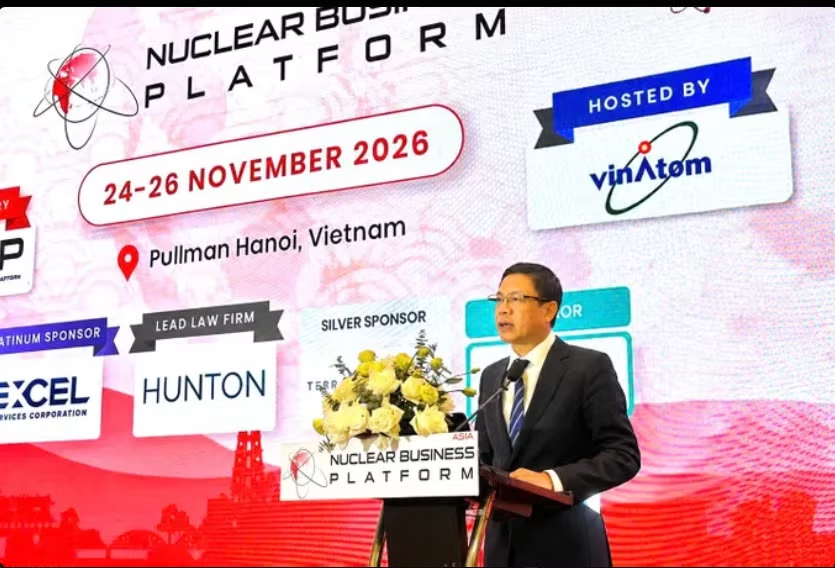
With its low-carbon emissions, nuclear power could complement renewable energy, enhance the stability of the power system and support long-term economic growth, he noted.
Vietnam views nuclear power development as a long-term strategic choice and is stepping up preparations for the Ninh Thuan nuclear power projects, he said, adding they will help diversify the national energy mix, strengthen energy security, support the country's commitment to achieving net-zero emissions by 2050, and lay the foundation for a national nuclear power programme.
Dinh stressed that ensuring the capacity and independence of the regulatory body, building a strong domestic scientific and technological foundation, facilitating effective technology transfer and gradually involving Vietnamese businesses in the nuclear supply chain are essential to strengthening national capacity and ensuring the programme's long-term sustainability.
According to Tran Chi Thanh, Director of Vinatom, workforce development and access to advanced, proven technologies meeting stringent nuclear safety requirements are crucial to Vietnam's nuclear power programme.
Greater exchanges and experience-sharing with other countries, particularly those in Asia, will help enhance national capacity and facilitate the effective implementation of the programme, he added.
Nguyen Thanh Binh, deputy head of the Investment Preparation Board for the Ninh Thuan 2 Nuclear Power Plant Project at Petrovietnam, said increasing the localisation rate is not merely about creating jobs but also about building industrial capacity that can continue to grow after the plant begins operations.
This will also give Vietnamese businesses an opportunity to upgrade their technological capabilities, improve quality assurance systems and gradually join regional and global nuclear supply chains, he said.
Regarding preparations for national nuclear power infrastructure, Tran Bich Ngoc, Deputy Director of the Vietnam Agency for Radiation and Nuclear Safety under the MOST, said an assessment by the International Atomic Energy Agency (IAEA), which resulted in 38 recommendations, 13 suggestions and two good practices, provided an important basis for Vietnam to identify priority tasks in developing its national nuclear power infrastructure development master plan through 2035./.