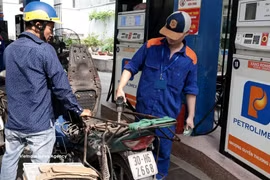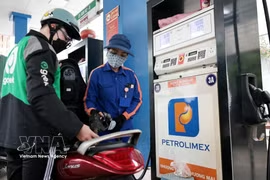
Ho Chi Minh City (VNA) – Repeated reductions in fuel prices are creating more room for businesses to cut production, transportation and distribution costs, opening up opportunities to lower goods prices and stabilise the market.
From traditional markets to modern retail chains, businesses are gradually considering price cuts as input costs ease. However, the extent of reductions depends on production cost structures, raw material prices and negotiations with suppliers.
At traditional markets in Ho Chi Minh City, prices of many vegetables and fruits have stabilised and begun to fall compared with their peaks when fuel prices surged.
Tran Thi Dung, a vegetable trader at Phuoc Long Market in Tan My ward, said commodity prices are influenced by several factors, including wholesale market prices, labour costs and supply. Lower fuel costs have helped stabilise prices and slightly reduce vegetable prices, making trading easier amid still-weak consumer demand.
In modern retail systems, however, lower fuel prices do not immediately translate into lower shelf prices because supply contracts are often signed for longer periods. Nevertheless, reduced fuel costs help retailers ease pricing pressures and expand promotional and discount programmes.
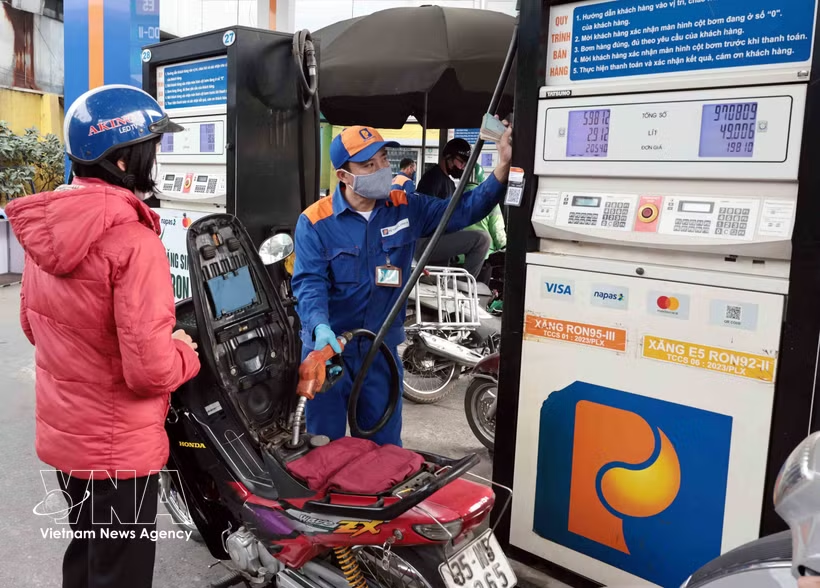
As of November 24, E5 RON92 petrol had fallen by 11,538 VND (0.45 USD) per litre, or 38.3%, from its 2026 peak. E10 RON95-III had dropped by 14,740 VND per litre, or 43.6%, while diesel prices had declined by 18,441 VND per litre, equivalent to 41.2% from their early-April peak of 44,788 VND, according to the Ministry of Industry and Trade and the Ministry of Finance.
Ly Kim Chi, Chairwoman of the Ho Chi Minh City Food and Foodstuffs Association, said fuel price declines send a positive signal for the market, creating considerable room for price reductions. Lower transportation costs, combined with favourable weather and abundant food and vegetable supplies, could help bring prices down.
For manufacturers, cheaper fuel reduces costs throughout the supply chain, from raw material collection and transportation to processing and distribution. This is particularly important to food businesses, many of which operate on thin profit margins.
Chi said many businesses previously tried to maintain selling prices despite higher input costs to remain competitive. Lower fuel prices now give them an opportunity to review production costs and offer more reasonable prices.
Businesses consider further price adjustments
The benefits are beginning to translate into concrete action. Truong Chi Thien, General Director of Vinh Thanh Dat Food JSC in Ho Chi Minh City, said decreased fuel prices have provided a basis for renegotiating raw material prices with suppliers.
Although fuel costs account for a relatively small proportion of egg production costs, fuel price changes often influence suppliers' pricing decisions. Some suppliers have already agreed to reduce prices, helping hí company save costs, Thien noted.
Meanwhile, WinMart and WinMart+ are negotiating with suppliers to secure better input prices, based on their combined purchasing power across more than 5,000 retail outlets.
Le Quoc Thong, Director of WinMart Thao Dien, said suppliers have not yet proposed widespread price reductions, but the retail system is working with individual partners to identify opportunities to cut costs and pass savings on to consumers.
He added that State policies to reduce fuel and electricity prices and input taxes will further support production, transportation and distribution.
Meanwhile, Chi stressed that businesses should base any selling price adjustments on actual costs and developments in individual raw material markets. They should also optimise operations and manage costs more efficiently.
Amid continued pressure on household spending, proactively reviewing production expenses, negotiating prices with suppliers and sharing cost savings with consumers could help improve business competitiveness, stimulate consumption and maintain market stability, she opined./.