AI application boosts Russian language training in Vietnam

The programme introduced updated methods for teaching Russian as a foreign language while focusing on the application of digital technology and AI in lesson design to enhance the professional capacity and adaptability of Russian-language teachers amid changes in modern education.

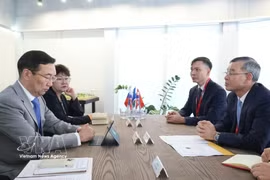
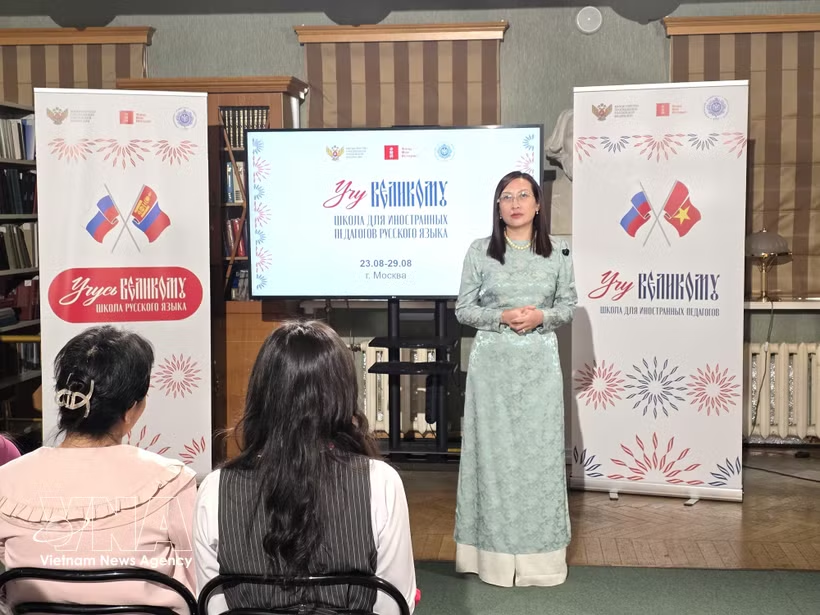
Mai Nguyen Tuyet Hoa, First Secretary in charge of education affairs at the Vietnamese Embassy in Russia speaks at the closing ceremony (Phôt: VNA)

​Moscow (VNA) – A training programme for foreign teachers and students has been held in Moscow, opening new avenues for improving Russian-language teaching and learning in the digital era.

The week-long programme was co-organised by the Russian Ministry of Education, the “My History” Foundation, and the A.I. Herzen State Pedagogical University of Russia. It saw the participation of a delegation of Vietnamese lecturers from the Russian Language Faculty of Ho Chi Minh City University of Education.

The programme introduced updated methods for teaching Russian as a foreign language while focusing on the application of digital technology and AI in lesson design to enhance the professional capacity and adaptability of Russian-language teachers amid changes in modern education.

Speaking at the closing ceremony, German Zubovich, Deputy Director of the Department for National Educational System Integration and International Cooperation and head of the division for cooperation with Latin American and African countries and international organisations under the Russian Ministry of Education, praised the programme’s outcomes as evidence of deepening educational ties between Russia and its partner countries.

He praised the Vietnamese teachers’ strong work ethic, openness to learning and capacity for innovation, affirming that the ministry will continue to support and expand specialised training programmes for Russian-language teachers worldwide, including in Vietnam.
vnanet-rusia2.jpg
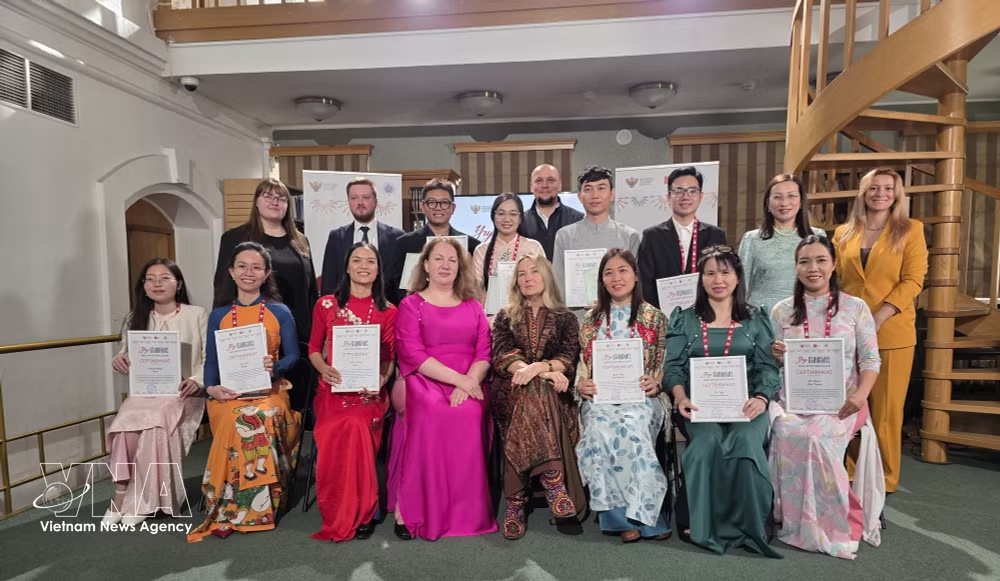
The organising board and the Vietnamese delegation poses for a group photo after presenting certificates of completion of the course. (Photo: VNA)

At the event, Mai Nguyen Tuyet Hoa, First Secretary in charge of education affairs at the Vietnamese Embassy in Russia, said the programme provided new knowledge and teaching methods while offering an opportunity for cultural exchange.

She said practical knowledge of digital technology and a deeper understanding of learners’ psychology will be useful for Vietnamese teachers, helping them inspire greater interest in Russian among students while contributing to mutual understanding and friendship between the two peoples.

Nguyen Thi Giang, deputy head of the Russian Language Faculty at Ho Chi Minh City University of Education and head of the Vietnamese delegation, told the Vietnam News Agency that this was the first in-person training programme to be organised in Moscow for Vietnamese teachers.

During the week, the lecturers engaged in specialised sessions on teaching methodology, phonetics, grammar and technology application, and took part in a simulated one-hour teaching evaluation to apply the techniques they had learned.

She added that the programme provided useful knowledge, strengthened language proficiency and pedagogical skills, and offered deeper insights into Russian culture, enabling lecturers to convey knowledge and their love for the Russian language and culture more vividly to Vietnamese students.

The integration of digital technology and AI into Russian-language teacher training is expected to help modernise teaching methods and enhance educational cooperation between Vietnam and Russia, contributing to the preservation and development of the Russian-language community in Vietnam amid the rapid digital transformation of education./.
​

VNA

See more

Prime Minister Le Minh Hung (right), incumbent and former officials, along with local residents attend the ceremony held Ho Chi Minh City on October 14 to commemorate and rebury the remains of 731 fallen soldiers recovered from Le Thi Rieng Park. (Photo: VNA)

PM attends memorial service for 731 fallen soldiers in Ho Chi Minh City

From June 23 to October 5, Team K74 and other forces recovered 731 sets of martyrs’ remains from the park. Biological samples and DNA samples collected from relatives of unidentified fallen soldiers are being analysed and stored in the national gene bank to support identification efforts.

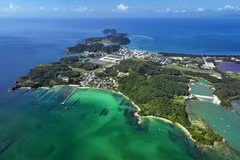
Co To island viewed from above. (Photo: VNA)

Green agriculture on the green island of Co To

To support this economic spearhead, the Co To special zone, Quang Ninh city, is promoting green, clean and sustainable production, linking agricultural activities with resource conservation, environmental protection and landscape preservation.

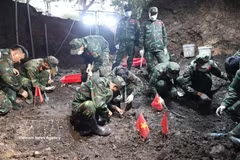
Officers and soldiers of Team K74 search for martyrs' remains at a mass grave at Le Thi Rieng Park in Ho Chi Minh City. (Photo: VNA)

Bringing fallen heroes home: Keeping Vietnam’s tradition of gratitude alive

Ho Chi Minh City has always regarded the search for and recovery of martyrs’ remains and the identification of the fallen as a particularly important political task, a demonstration of the affection for and commitment to those who sacrificed their lives for national independence and freedom, said a local official.

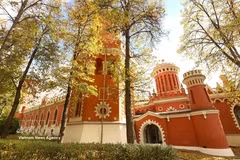
Petrovsky Palace in Moscow shines in the golden hues of autumn. (Photo: VNA)

Russia waives visa requirements for Vietnamese tourists

According to a notice published on the official website of Russia’s Ministry of Justice, Vietnamese citizens can now stay in Russia for up to 30 consecutive days, provided their purpose of travel is not employment.

Students from the VACEO art class perform at the Cultural Fusion - Narellan festival. (Photo: VNA)

Vietnamese in Australia keep heritage alive

Vietnamese dance and traditional music classes organised by the Viet-Aus Culture Exchange Organisation (VACEO) have been held every Saturday afternoon in Bankstown, Sydney.

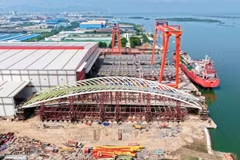
Load testing of the 3,400-tonne main arch structure and supporting frame of the Saigon River pedestrian bridge at the factory (Photo published by VNA)

Saigon River pedestrian bridge set to be joined on October 21

The assembly comprises a main bridge structure weighing about 1,400 tonnes and a specialised steel supporting frame weighing around 2,000 tonnes. During testing, about 30 self-propelled modular transporters were used to lift the assembly 40cm off the ground for technical inspections. Sensors and monitoring equipment recorded key parameters.

Ba Vi Safari Park. (Photo: Sun Group)

Hanoi breaks ground on 299-hectare safari park

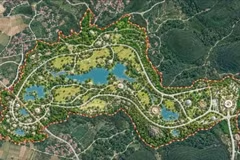
Its key features will include animal habitats modelled on natural ecosystems, veterinary and research facilities, educational exhibitions and recreational areas. Green spaces and water bodies will cover about 81.8% of the site, providing ecological corridors and suitable habitats for wildlife.