An Giang’s Chau Phong features Cham heritage as community tourism draw

Chau Phong commune is now building a tourism product chain tied to local livelihoods and interests, with the goal of turning Chau Phong Cham village into a draw on the Mekong tourism corridor.

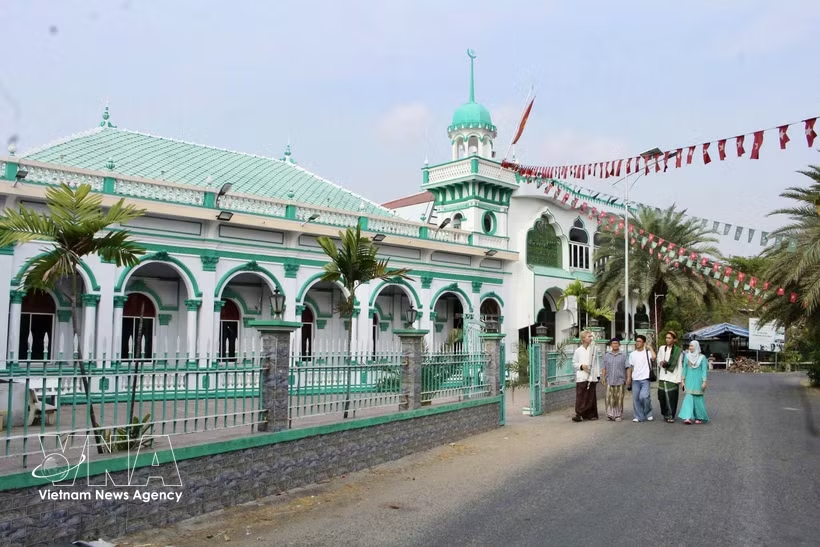
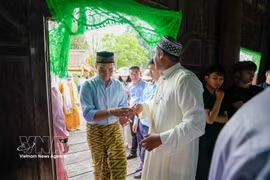
Mubarak Mosque in An Giang province (Photo: VNA)

An Giang (VNA) – Chau Phong commune in southern An Giang province has the raw material for community cultural tourism: brocade looms, traditional stilt houses and distinctive Halal cuisine.

The locality is now building a tourism product chain tied to local livelihoods and interests, with the goal of turning Chau Phong Cham village into a draw on the Mekong tourism corridor.

From looms to sellable experiences

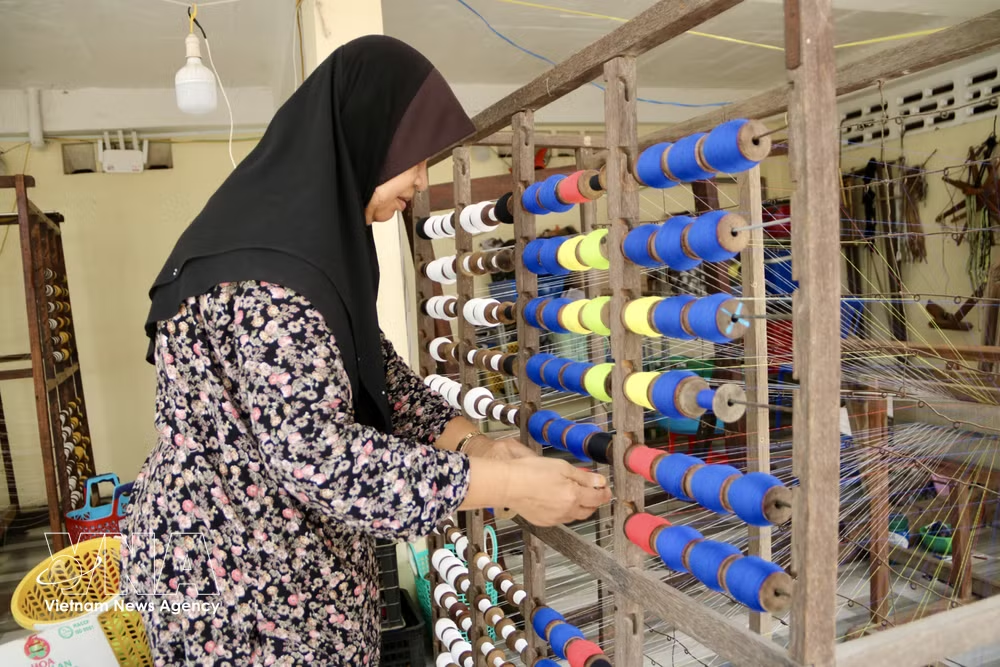
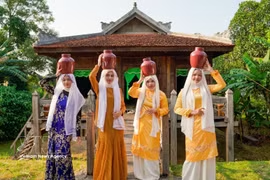
Chau Phong has 5,646 Cham people and 1,269 households in the hamlets of Chau Giang, Phum Soai and Hoa Long. The community holds distinctive cultural assets: the Mubarak Mosque, a national-level architectural and art relic, traditional wooden stilt houses, brocade weaving, life-cycle rituals, and Halal food culture. In March 2023, Chau Phong Cham brocade weaving was recognised as national intangible cultural heritage, creating tourism tied to craft preservation.

Transport is no longer a bottleneck. The Chau Doc Bridge has cut travel time from the Chau Doc tourism hub to Chau Phong to about five minutes. National Highway N1, provincial road 953 and waterways on the Hau River and Vinh An Canal also link the Cham village to regional tourism areas.
vnanet-p-6247.jpg
Brocade weaving by Cham people in An Giang (Photo: VNA)

In 2025, Chau Phong welcomed only 10,000 visitors, with tourism revenue estimated at 2 billion VND. Average stays were about two hours, with sightseeing concentrated at the Mubarak Mosque, the weaving village and a few households. Accommodation, food, craft experience, agricultural and local product shopping services have not formed a complete linked chain. Visitor numbers remain modest, stays are short, spending is low and tourism has not yet created clear livelihoods for residents.

Building a tourism value chain

To turn Cham culture into a sustainable tourism advantage, Chau Phong commune is embarking on a project developing Chau Phong community tourism along the value chain based on Cham ethnic cultural identity to 2035, aimed at creating livelihoods and raising community income.

Nguyen Thanh Lam, Secretary of the communal Party Committee, said the project targets making Chau Phong Cham village a community tourism destination in An Giang and the Mekong Delta by 2030, securing recognition as a tourist site meeting ASEAN Community Tourism Standard criteria, and building a smart, Muslim-friendly community tourism ecosystem.

Chau Phong plans to pilot “A Day as a Cham resident” tour covering the mosque, meals at stilt houses, brocade weaving, traditional costumes and cultural exchange. A “Heritage journey along the Hau River” event will link Chau Doc and Chau Phong Cham village by waterway, combining floating fish-raft visits, cuisine and local specialty products.

By 2030, Chau Phong targets 60,000 visitors a year, including 8,000 foreigners, an average stay of 4.5 hours, and spending of about 450,000 VND (17.3 USD) per visitor. Local tourism revenue is expected to reach 27 billion VND a year, with about 150 Cham households joining the service chain and 15 standard community lodging facilities formed, lifting local incomes. By 2035, targets rise to 150,000 visitors a year, including 25,000 foreigners, and revenue of 105 billion VND a year.
vnanet-q.jpg
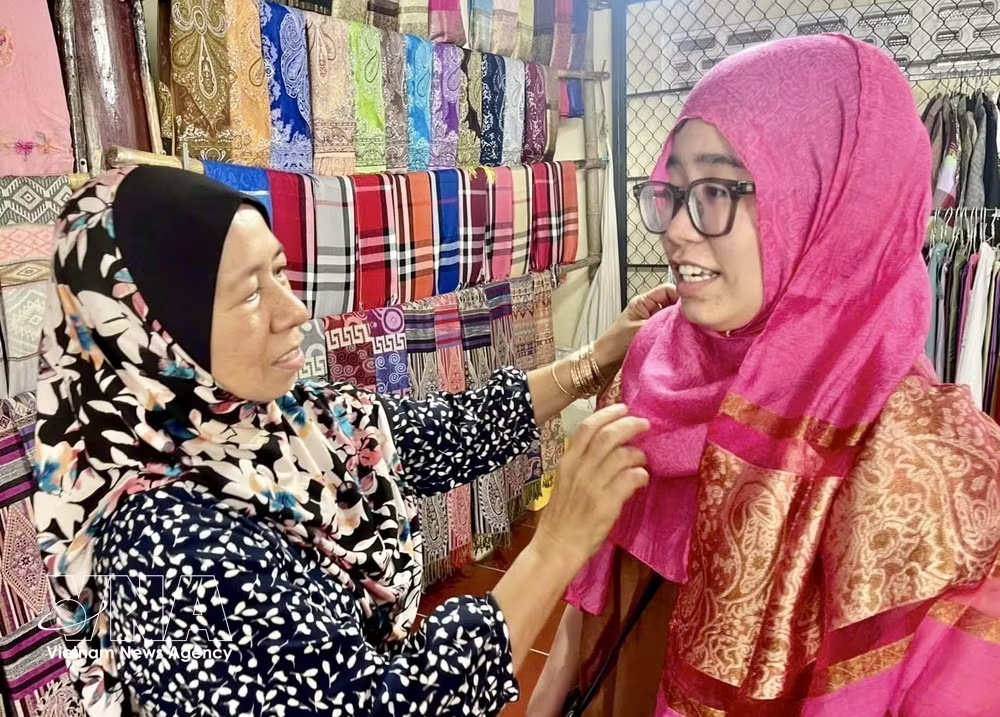
Visitors go shopping at Chau Phong Cham village. (Photo: VNA)

By 2035, An Giang wants Chau Phong Cham village to be a model of living heritage preservation tied to a sustainable tourism economy and an attractive Mekong tourism corridor destination, competing for the ASEAN Community Tourism Award or the ASEAN Sustainable Tourism Award. The project will turn brocade weaving into an experiential tourism product, with about 30 looms used for demonstrations. The locality will build an identification and origin traceability mechanism for Chau Phong Cham brocade to protect value and separate traditional handmade goods from industrial products.

Alongside brocade weaving, traditional Cham wooden stilt houses are slated to become community lodging. Visitors can stay, eat with Cham families, learn daily routines and directly join cultural activities. Halal cuisine, OCOP products and local agriculture will be plugged into the journey, adding outlets for goods and services. Digital transformation is expected to widen reach through digital maps, 360-degree images, multilingual QR narration, traceability stamps and online booking channels./.
VNA

See more

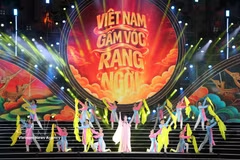
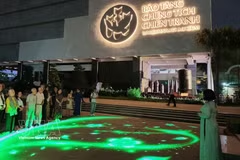
An art performance at Tam Thang Tower Square in Vung Tau ward draws large crowds of residents and visitors. (Photo: VNA)

Artistic events help connect heritage, culture, tourism

In Ho Chi Minh City, thousands of people attended a special programme entitled “Proud of Vietnamese Identity” to mark Vietnam Culture Day. Connecting three venues in Sai Gon, Thu Dau Mot and Vung Tau, the event combined traditional performances with 3D mapping technology to tell stories of southern Vietnam’s heritage and cultural traditions.

The special art programme brings together music, traditional and contemporary performances, spreading love for Vietnamese culture and national pride. (Photo: VNA)

Special art programme showcases flow of Vietnamese culture

The large-scale event, entitled "Colours of Vietnam: Culture Lights the Way – The Nation in Harmony," brought together music, traditional and contemporary performances, spreading love for Vietnamese culture and national pride.

Culture fosters Vietnam-Canada friendship

Culture fosters Vietnam-Canada friendship

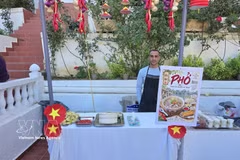
Through stories shared in poetry, music and conversations over Vietnamese food, members of the Vietnamese community had an opportunity to introduce their homeland’s culture to Canadian friends and help younger generations of Vietnamese origin learn more about their roots.

Vietnamese Ambassador to Mozambique Tran Thi Thu Thin, embassy officials and members of the Vietnamese community pose for a group photo at the National Great Unity Day and Vietnam Culture Day celebrations in Maputo on November 22.( Photo: VNA)

Vietnamese cultural identity promoted in Mozambique

National unity is a precious tradition and a tremendous source of strength that has enabled the Vietnamese people to overcome challenges and build and defend the country, while culture serves as the root, spiritual foundation and identity underpinning the nation's enduring vitality, said Vietnamese Ambassador to Mozambique Tran Thi Thu Thin.

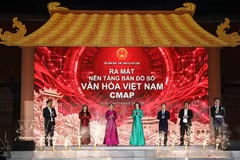
The Vietnam Cultural Digital Map (CMAP) is launched at https://cmap.vn. (Photo: VNA)

Technology helps spread cultural values, connect heritage

In many localities, digital platforms and databases are gradually changing the way heritage is preserved and presented. Artefacts once accessible only in exhibition spaces, as well as historical stories associated with particular places, can now be brought to life through 2D and 3D images, virtual reality, artificial intelligence (AI) and other interactive digital formats.

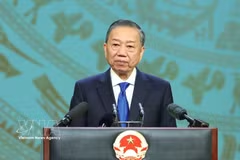
General Secretary of the Communist Party of Vietnam (CPV) Central Committee and President To Lam addresses the Hanoi ceremony marking the 80th anniversary of the first National Cultural Conference on November 24. Photo: VNA

Top leader calls for nurturing culture with responsibility, compassion and spirit of dedication

Cultural development must help individuals lead better lives and take control of their own futures. Everyone should be encouraged to learn, cooperate and innovate, value labour, and take responsibility for themselves, their families and society. National values, cultural values, family values and standards of Vietnamese people must be reflected in education and everyday conduct, said top leader To Lam.

New Vietnam Culture Day celebrates national cultural values

New Vietnam Culture Day celebrates national cultural values

Vietnam Culture Day on November 24 provides an opportunity to honour and promote the nation’s traditional cultural values. To turn culture into a resource for sustainable tourism, however, celebrations should go beyond commemorative events, creating opportunities for people and visitors to experience and practise cultural traditions, and strengthen their responsibility for preserving and promoting heritage.

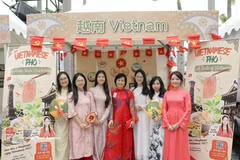
Vietnamese Consul General Le Duc Hanh (centre, in red traditional ao dai) joins Consulate General staff and representatives of the Vietnamese student community in Hong Kong at the Vietnamese booth during the festival. (Photo: VNA)

Vietnamese arts and cuisine shine at Hong Kong cultural festival

The annual Asia+ Festival, organised by Hong Kong's cultural authorities, featured a wide range of performances, from classical arts to popular entertainment and from indoor venues to outdoor spaces. Vietnam's contributions this year included Teh Dar, a contemporary bamboo circus performance by Lune Production, and dance and music performances prepared by members of the Vietnamese community in Hong Kong.

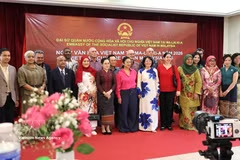
Vietnamese Ambassador to Malaysia Pham Thi Thuy Nga (centre, wearing ao dai) and guests at the event. (Photo: VNA)

Vietnam Culture Day impresses guests in Malaysia

Opening the event, Ambassador Pham Thi Thuy Nga emphasised that the occasion is a tribute to Vietnam's rich cultural heritage and the role of culture in shaping national identity. Forged over thousands of years of history, Vietnamese identity is reflected in the distinctive traditions, arts, cuisine and lifestyles of the country's 54 ethnic groups.

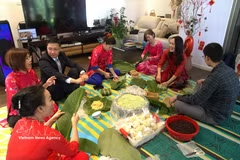
Vietnamese people in Israel gather to make banh chung (traditional sticky rice cake) for the Lunar New Year, preserving their customs and the flavours of home far from the homeland. (Photo: VNA)

Vietnam Culture Day 2026: Vietnamese in Israel keep their roots alive

Beyond Lunar New Year celebrations and major festivals, Vietnamese identity lives on in the language spoken at home, traditional meals, family ties and enduring affection for the homeland. Through these everyday practices, Vietnamese people abroad maintain a strong connection with their roots as they integrate into their host society.

Visitors gather in the area around the Bell of Peace at the War Remnants Museum in Ho Chi Minh City (Photo: VNA)

War Remnants Museum launches night-time experience

Held in response to Vietnam Cultural Heritage Day (November 23) and ahead of Vietnam Culture Day (November 24), the programme takes visitors through three exhibition spaces under the theme “From Hanoi’s Sky to the Door of Freedom”.

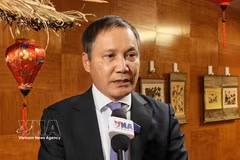
Vietnamese Ambassador to the UK Do Minh Hung gives an interview to the Vietnam News Agency at the event. (Photo: VNA)

Vietnam Culture Day 2026 celebrated in the UK

The centrepiece was a screening of director Leon Le's "Song Lang", a film spotlighting "cai luong" – a popular form of modern folk opera from Southern Vietnam that emerged in the early 20th century and remains a cultural touchstone.

The bilingual interactive artbook makes debut (Photo: VNA)

Nhan Dan newspaper turns patriotic stage show into bilingual interactive book

The 180-page visual documentary blends artistic photography, historical material and interactive technology. QR codes on the pages let readers replay performances and moments from My Dinh National Stadium in Hanoi and the Van Phuc urban area in Ho Chi Minh City, turning the book into a read-watch-listen product.

The Complex of Hue Monuments, a world cultural heritage site, is a tourist magnet in Hue city. (Photo: VNA)

Vietnam taps cultural heritage to develop sustainable tourism

According to the Ministry of Culture, Sports and Tourism, Vietnam has more than 40,000 relic sites and nearly 70,000 inventoried intangible cultural heritage elements. These include 149 special national relic sites, 3,688 national relic sites, 735 elements on the National List of Intangible Cultural Heritage, 357 National Treasures and 177 museums housing more than four million documents and artefacts.

Parents and kids join a workshop making conical hats at the Vietnamese Culture Day “Vietnamese Stories” in Brussels, on November 21. (Photo: VNA)

Vietnamese culture comes alive through community stories in Brussels

A Vietnam Culture Day themed "Vietnamese Stories" was held at the Zoniënzorg Community Centre in Auderghem district, Brussels, on November 21, offering local residents an opportunity to explore Vietnamese culture through the experiences of the Vietnamese community in Belgium.