Vietnam Culture Day 2026: Vietnamese in Israel keep their roots alive

Beyond Lunar New Year celebrations and major festivals, Vietnamese identity lives on in the language spoken at home, traditional meals, family ties and enduring affection for the homeland. Through these everyday practices, Vietnamese people abroad maintain a strong connection with their roots as they integrate into their host society.

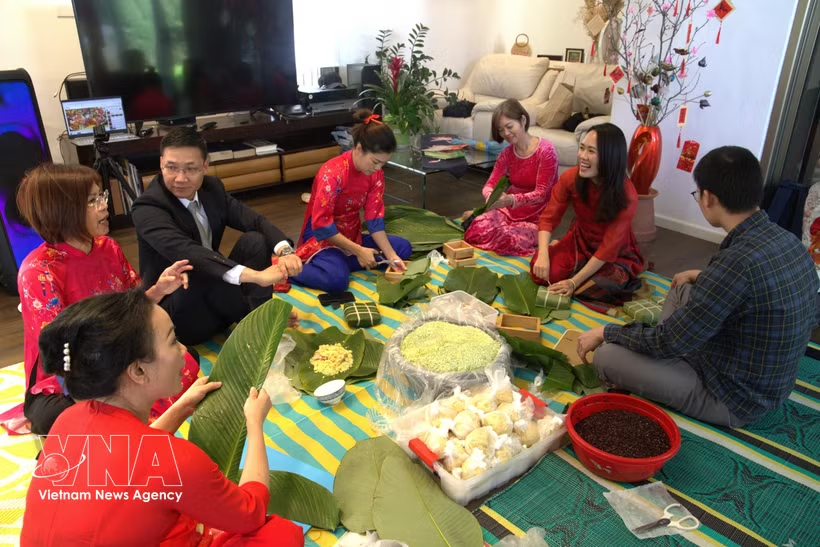
Vietnamese people in Israel gather to make banh chung (traditional sticky rice cake) for the Lunar New Year, preserving their customs and the flavours of home far from the homeland. (Photo: VNA)

Hanoi (VNA) – Nearly 8,000 kilometres from home, the Vietnamese community in Israel is working to preserve its cultural identity in a society with different languages, religions and customs.

Beyond Lunar New Year celebrations and major festivals, Vietnamese identity lives on in the language spoken at home, traditional meals, family ties and enduring affection for the homeland. Through these everyday practices, Vietnamese people abroad maintain a strong connection with their roots as they integrate into their host society.

For people living far from home, geographical distance is not always the greatest challenge. The bigger question is how to keep memories, customs and cultural values from fading. As daily life unfolds in a different social environment, with the host country's language dominating work and communication, familiar traditions from home can gradually lose their place.

This is a concern for the Vietnamese community in Israel, which numbers around 900 people, including long-term residents, Vietnamese-Israeli families, workers, agricultural trainees and students. Scattered across different localities and living in diverse circumstances, they have an even greater need for a shared cultural space.

Culture, therefore, is more than a series of festive activities. It is a way for the community to reaffirm its ties with Vietnam. A conversation in Vietnamese, a traditional dish or a weekend gathering can all help keep those connections alive.

For Vietnamese people who have lived in Israel for decades, memories of home often survive through the simplest things, such as the names of familiar dishes, New Year greetings, incense offerings to honour ancestors and stories of their hometowns passed down to younger generations. These small gestures give cultural identity its lasting depth.

While the Lunar New Year brings together some of the most distinctive features of Vietnamese culture, its lasting vitality depends on everyday life.

In Israel, preparing Vietnamese dishes, maintaining family customs and gathering with fellow countrymen have become part of daily life for many. Banh chung and banh tet (traditional sticky rice cakes), nem ran (fried spring rolls) and home-style soups do more than satisfy culinary cravings as they evoke memories of family, home and past Tet celebrations.

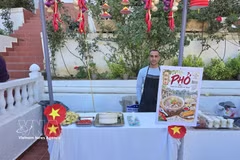
Food also serves as a bridge between Vietnamese people and their host society. In Be'er Sheva, in the Negev Desert, a restaurant named “Hanoi, Vietnam” offers a taste of home, while “Nem Viet” in Haifa introduces local residents and international visitors to Vietnamese cuisine. These businesses not only ease homesickness but also open a window onto Vietnamese culture.

Community ties provide another vital source of strength. Since the Association of Vietnamese People in Israel was established in March 2025, it has organised gatherings, cultural exchanges and celebrations of the Lunar New Year, Mid-Autumn Festival and other traditional occasions, with active participation from community members. Such events create a shared space for Vietnamese people while giving younger generations, particularly children from multicultural families, opportunities to experience their cultural heritage.

Solidarity, however, goes beyond festive occasions. When someone falls ill, is hospitalised or faces financial hardship, fellow community members step in with visits, encouragement and practical assistance. During periods of heightened security tensions in Israel, sharing information and looking out for one another's safety have become especially important.

The community also remains deeply attached to Vietnam. Whenever natural disasters or floods strike at home, many contribute to relief efforts for affected communities. Though individual donations may be modest, they reflect a strong sense of responsibility and affection for the homeland. Such acts keep alive traditional values of mutual support and compassion, binding Vietnamese people together thousands of kilometres from home.

The greatest challenge to preserving Vietnamese culture abroad may lie not with those who grew up in Vietnam, but with young people born and raised in their host country.

For children in Vietnamese-Israeli families, Hebrew and English often dominate communication at school and in wider society. Without regular exposure, Vietnamese can gradually become a language used only when speaking to parents or grandparents. Traditional customs and stories about Vietnam's history and culture may also become increasingly unfamiliar.

Preserving the Vietnamese language is therefore a priority. More than a means of communication, the mother tongue is a gateway to understanding the nation's culture, history and identity. Families can help by speaking Vietnamese at home, encouraging children to join community activities and exploring suitable ways for them to learn the language.

Passing on cultural identity must also go beyond asking young people to observe traditional customs. They need to understand the values behind them, including filial piety, respect for the elderly, solidarity and strong family bonds. When these values are understood and felt, the desire to preserve their heritage can grow naturally.

Preserving national identity does not mean turning away from the host society. Embracing its positive values, respecting cultural diversity and actively integrating into local life can help the Vietnamese community thrive while promoting the image of Vietnam and its people.

Through their work, studies, businesses and everyday interactions, Vietnamese people can serve as cultural ambassadors in Israel. Their diligence, friendliness, resilience, compassion and strong family values all help build a positive image of the community.

Keeping Vietnamese identity alive abroad is not about clinging to the past. It is about carrying the nation's finest values into the present and passing them on to future generations. When children speak Vietnamese with their grandparents, families gather around traditional meals and people far from home continue to support one another, Vietnamese culture remains alive.

Distance may take people away from their homeland, but it need not separate them from their roots. National identity lives not only in symbols and rituals, but also in family life, everyday actions and the hearts of Vietnamese people./.
VNA

See more

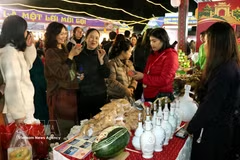
Visitors and locals explore, shop for and discover the culinary specialities of various provinces and cities at the festival. (Photo: VNA)

Festival celebrates culinary quintessence of northern region

The "Quintessence of Northern Cuisine" Festival 2026 is not only a culinary celebration but also a venue for cultural exchange, connectivity, the promotion of traditional values and the introduction of Vietnam’s land and people to domestic and international visitors, according to the organisers.

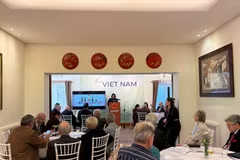
Vietnamese Ambassador to Greece Pham Thi Thu Huong speaks at the "MEET VIETNAM" programme on the occasion of Great National Unity Festival and Vietnam Culture Day (Photo: Vietnamese Embassy in Greece)

Vibrant “MEET VIETNAM” programme held in Greece

The Vietnamese Embassy in Greece has held a “MEET VIETNAM” programme in Athens to mark the Great National Unity Festival and Vietnam Culture Day part of a series of more than 400 activities and events organised on this occasion to honour national cultural identity, spread great national unity, promote the development of cultural industries, and create opportunities for people to directly participate in, contribute to and enjoy cultural activities.

Vietnam's first rally event, Petrolimex XCR Sprint Cup Vietnam 2026, will be held on December 2-6 in Quang Tri province. (Photo courtesy of organisers)

XCR Sprint Cup Vietnam 2026 to debut in December

This marks the first time a global rally sprint will be held in Vietnam. The event is part of the Cross Country Rally (XCR) competition system, a Japanese-founded off-road rally format established in 2022.

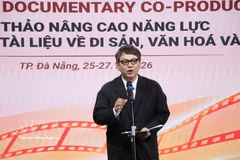
Aoki Kazunori, Head of Programming at the Asia-Pacific Broadcasting Union (ABU), speaks at the second ABU CARE 13 Documentary Exchange Conference. (Photo: VNA)

International cooperation promoted in documentary production on heritage, culture

Participation in ABU CARE 13 provides an opportunity for television professionals in the Central and Central Highlands region to exchange experience and learn modern storytelling approaches from international experts, while expanding co-production, copyright exchange and support for foreign film crews seeking access to filming locations in Vietnam

An art performance at Tam Thang Tower Square in Vung Tau ward draws large crowds of residents and visitors. (Photo: VNA)

Artistic events help connect heritage, culture, tourism

In Ho Chi Minh City, thousands of people attended a special programme entitled “Proud of Vietnamese Identity” to mark Vietnam Culture Day. Connecting three venues in Sai Gon, Thu Dau Mot and Vung Tau, the event combined traditional performances with 3D mapping technology to tell stories of southern Vietnam’s heritage and cultural traditions.

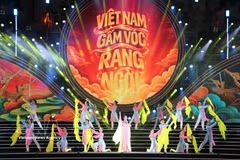
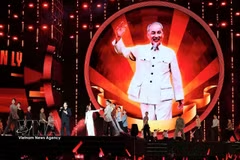
The special art programme brings together music, traditional and contemporary performances, spreading love for Vietnamese culture and national pride. (Photo: VNA)

Special art programme showcases flow of Vietnamese culture

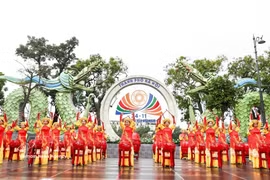
The large-scale event, entitled "Colours of Vietnam: Culture Lights the Way – The Nation in Harmony," brought together music, traditional and contemporary performances, spreading love for Vietnamese culture and national pride.

Culture fosters Vietnam-Canada friendship

Culture fosters Vietnam-Canada friendship

Through stories shared in poetry, music and conversations over Vietnamese food, members of the Vietnamese community had an opportunity to introduce their homeland’s culture to Canadian friends and help younger generations of Vietnamese origin learn more about their roots.

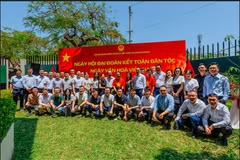
Vietnamese Ambassador to Mozambique Tran Thi Thu Thin, embassy officials and members of the Vietnamese community pose for a group photo at the National Great Unity Day and Vietnam Culture Day celebrations in Maputo on November 22.( Photo: VNA)

Vietnamese cultural identity promoted in Mozambique

National unity is a precious tradition and a tremendous source of strength that has enabled the Vietnamese people to overcome challenges and build and defend the country, while culture serves as the root, spiritual foundation and identity underpinning the nation's enduring vitality, said Vietnamese Ambassador to Mozambique Tran Thi Thu Thin.

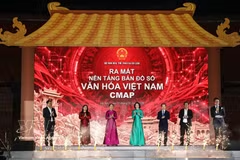
The Vietnam Cultural Digital Map (CMAP) is launched at https://cmap.vn. (Photo: VNA)

Technology helps spread cultural values, connect heritage

In many localities, digital platforms and databases are gradually changing the way heritage is preserved and presented. Artefacts once accessible only in exhibition spaces, as well as historical stories associated with particular places, can now be brought to life through 2D and 3D images, virtual reality, artificial intelligence (AI) and other interactive digital formats.

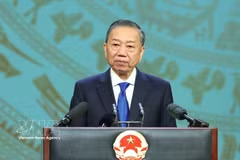
General Secretary of the Communist Party of Vietnam (CPV) Central Committee and President To Lam addresses the Hanoi ceremony marking the 80th anniversary of the first National Cultural Conference on November 24. Photo: VNA

Top leader calls for nurturing culture with responsibility, compassion and spirit of dedication

Cultural development must help individuals lead better lives and take control of their own futures. Everyone should be encouraged to learn, cooperate and innovate, value labour, and take responsibility for themselves, their families and society. National values, cultural values, family values and standards of Vietnamese people must be reflected in education and everyday conduct, said top leader To Lam.

New Vietnam Culture Day celebrates national cultural values

New Vietnam Culture Day celebrates national cultural values

Vietnam Culture Day on November 24 provides an opportunity to honour and promote the nation’s traditional cultural values. To turn culture into a resource for sustainable tourism, however, celebrations should go beyond commemorative events, creating opportunities for people and visitors to experience and practise cultural traditions, and strengthen their responsibility for preserving and promoting heritage.

Vietnamese Consul General Le Duc Hanh (centre, in red traditional ao dai) joins Consulate General staff and representatives of the Vietnamese student community in Hong Kong at the Vietnamese booth during the festival. (Photo: VNA)

Vietnamese arts and cuisine shine at Hong Kong cultural festival

The annual Asia+ Festival, organised by Hong Kong's cultural authorities, featured a wide range of performances, from classical arts to popular entertainment and from indoor venues to outdoor spaces. Vietnam's contributions this year included Teh Dar, a contemporary bamboo circus performance by Lune Production, and dance and music performances prepared by members of the Vietnamese community in Hong Kong.