Hanoi (VNA) – As Vietnam seeks to leverage cultural values for economic development and enhance its international standing, the overseas Vietnamese (OV) community is emerging as an important strategic resource, connecting the country with global knowledge, expertise and investment.
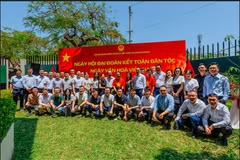
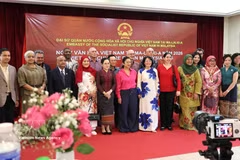
Insights from Vietnamese entrepreneurs and intellectuals in Malaysia highlight how the community is preserving national identity while promoting Vietnam's soft power and contributing to economic development.
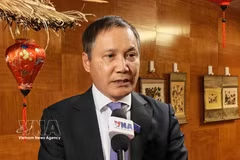
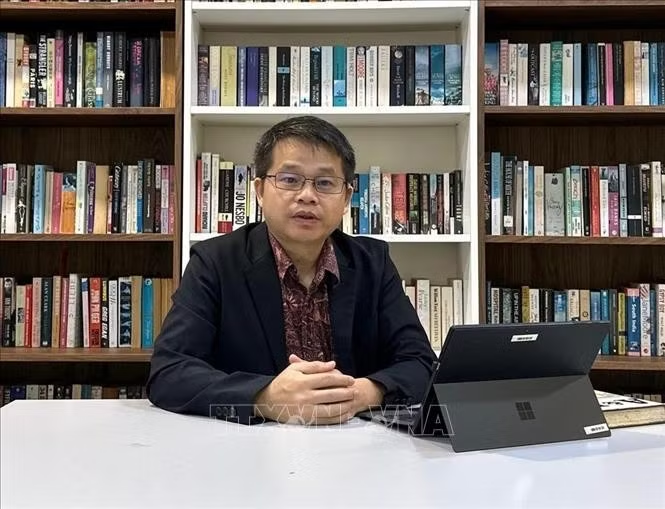
Luu Thu Trang, a member of the Vietnam-Malaysia Business Club (VMBC), identified five key cultural values that help OVs stay connected with their roots: family ties, mutual support, language, cuisine and traditional celebrations.
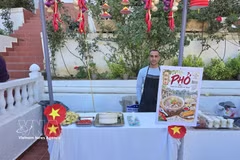
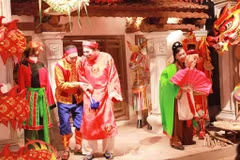
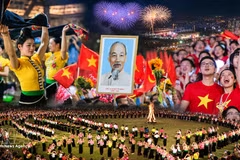
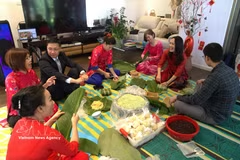
Family traditions and festivals such as Lunar New Year, the Mid-Autumn Festival and the Hung Kings' Commemoration Day help OVs maintain bonds with the homeland and pass cultural values on to younger generations. Meanwhile, the Vietnamese language and traditional dishes such as pho, bun cha and iced milk coffee serve as accessible "cultural ambassadors".
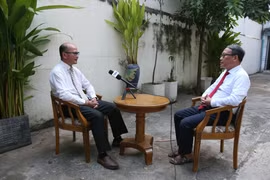
Luong The Huan, a Vietnamese petroleum engineer working in Malaysia, said the traditions of remembering one's roots and overcoming hardship have helped Vietnamese people establish themselves abroad. Maintaining the use of Vietnamese in daily communication and cooperation is also essential to strengthening community ties.
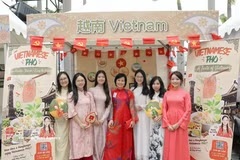
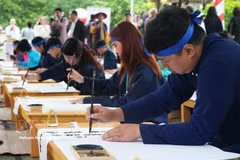
Beyond preserving cultural identity, overseas Vietnamese are turning these values into soft power and economic opportunities. Trang said each Vietnamese abroad could act as an unofficial cultural ambassador through their conduct and business reputation. Food festivals, photo exhibitions, ao dai shows, as well as Vietnamese-themed restaurants and cafes are effective ways to promote the country.
Huan noted that successful Vietnamese-owned businesses have also helped enhance Vietnam's image and build goodwill in host countries.
Le Khanh Trang, another VMBC member, stressed that culture should be viewed not only as a heritage to preserve but also as an economic resource. Vietnamese products from cuisine, fashion, handicrafts to tourism could compete globally with investment in quality, design and technology.
Overseas experts also serve as bridges in education, science and technology, finance and healthcare, facilitating technology transfer, policy advice and international investment.
To mobilise overseas Vietnamese resources more effectively, Nguyen Thi Kieu Ngan, a VMBC member, proposed establishing a fund to support creativity and promote Vietnamese culture at home and abroad.
Other recommendations included a one-stop mechanism to simplify procedures for investment, residence, property ownership, taxation and cultural events; a professional database of overseas Vietnamese by sector; and digital platforms to connect experts, businesses and domestic partners.
Stronger intellectual property protection, support for registering Vietnamese brands overseas and programmes engaging overseas experts as advisers and visiting lecturers were also proposed.
Le Khanh Trang called for sustained, practical cooperation through specific projects rather than one-off events, stressing that combining domestic strengths with the global knowledge and networks of OVs would help raise Vietnam's profile internationally./.