Technology helps spread cultural values, connect heritage

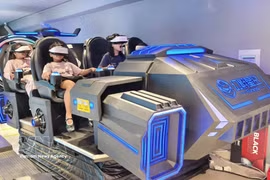
In many localities, digital platforms and databases are gradually changing the way heritage is preserved and presented. Artefacts once accessible only in exhibition spaces, as well as historical stories associated with particular places, can now be brought to life through 2D and 3D images, virtual reality, artificial intelligence (AI) and other interactive digital formats.
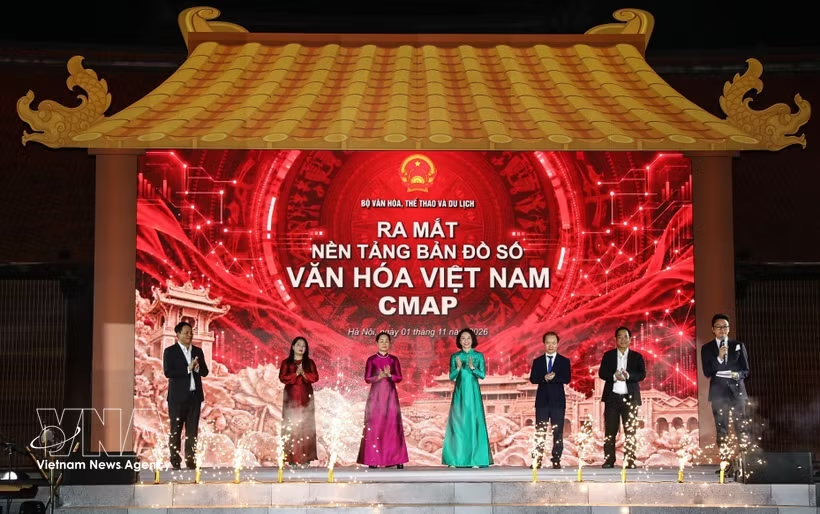
The Vietnam Cultural Digital Map (CMAP) is launched at https://cmap.vn. (Photo: VNA)

Hanoi (VNA) – Across generations, Vietnam’s cultural values have been preserved, passed down and enriched, becoming a firm spiritual foundation for the country’s development. Amid rapid digital transformation, technology is creating new ways to bring cultural heritage into everyday life and make it more accessible to the public.

This is also a practical way to promote the role of culture and people in the country’s sustainable development, in line with the spirit of Politburo Resolution No. 80-NQ/TW on the development of Vietnamese culture.

Bridging the digital heritage gap

Vietnam boasts a rich cultural heritage, with more than 40,000 historical and cultural relic sites and scenic landscapes, nearly 70,000 items of intangible cultural heritage, including 38 recognised by UNESCO. This invaluable resource embodies the nation’s history, identity and soul.

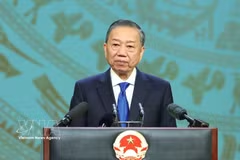
However, much of this heritage has yet to be digitised or connected within a shared data system, placing considerable constraints on efforts to preserve these values in the digital environment. The General Secretary of the Communist Party of Vietnam Central Committee and President To Lam highlighted the gap at the second meeting of the Central Steering Committee for the Development of Vietnamese Culture on July 13. It needs to be narrowed so that cultural capital can become a source of soft power and a new driving force for national development.

To realise this direction, the Ministry of Culture, Sports and Tourism has launched the Vietnam Cultural Digital Map (CMAP). As of noon on November 1, CMAP listed 391 events taking place across all 34 provinces and cities. Cultural institutions under the ministry have also announced 33 events in response to Vietnam Culture Day, held in conjunction with the Great National Unity Festival 2026.

More than just a search tool, CMAP serves as a bridge connecting cultural institutions and heritage sites with the public and visitors. It will help improve the management and promotion of cultural activities while giving people greater opportunities to independently discover, experience and enjoy cultural values in modern life.

Associate Professor and Dr Bui Hoai Son, Deputy Chairman of the Party Central Committee’s Commission for Publicity, said the launch of CMAP is a practical and meaningful milestone for the development of the country’s culture. It offered a way to bring culture closer to the public and turn it into a resource for development.

The platform also demonstrated how Resolution No. 57-NQ/TW on breakthroughs in science and technology development, innovation and digital transformation could be combined with Resolution No. 80-NQ/TW on Vietnamese culture development to create fresh momentum for cultural development in the coming period.

Bringing heritage closer to the public

In many localities, digital platforms and databases are gradually changing the way heritage is preserved and presented. Artefacts once accessible only in exhibition spaces, as well as historical stories associated with particular places, can now be brought to life through 2D and 3D images, virtual reality, artificial intelligence (AI) and other interactive digital formats.

vnanet_potal-ra-mat-nen-tang-ban-do-so-van-hoa-viet-nam-cmap-9125760.jpg
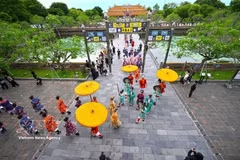
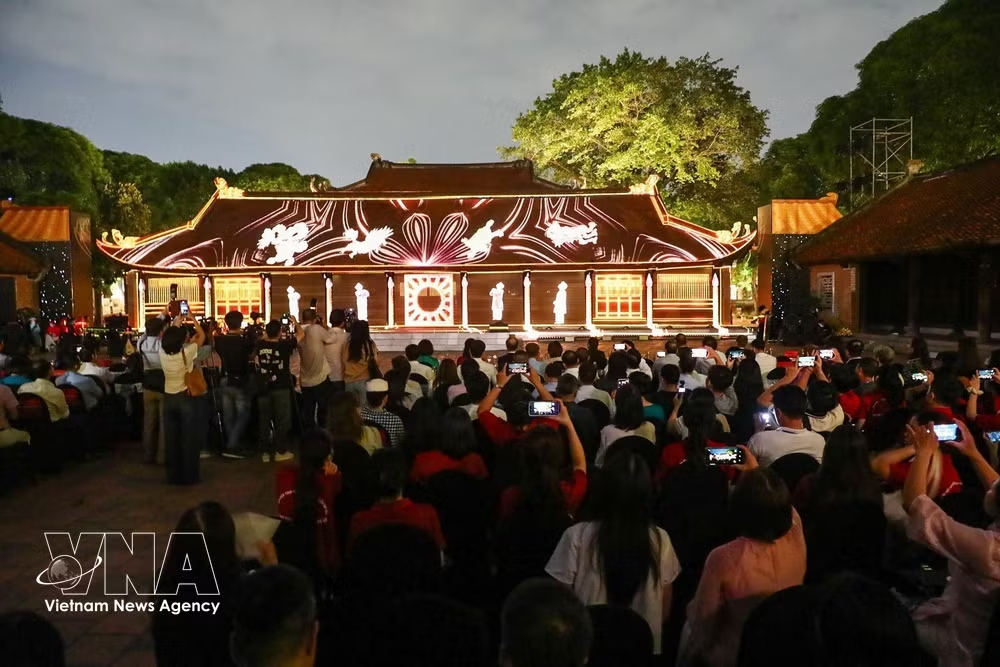
Visitors explore and experience an digital art programme which integrates performance technology with the heritage setting of the Quoc Tu Giam (Photo: VNA)

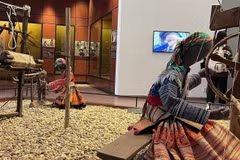
Located on the banks of the Han River, the Da Nang Museum of Cham Sculpture displays a large and unique collection of sculptures from the ancient Champa Kingdom. The museum currently holds nearly 2,000 artefacts, around 500 of which are regularly displayed. Through its digital space, visitors can explore the distinctive features of Cham culture with just a touch. The 3D tours, multilingual audio guides, QR codes and AI applications not only make information more accessible but also offer new perspectives, helping the public gain a deeper understanding of Cham history, art and cultural life through each artefact.

Tran Huyen Khanh Ngoc, a visitor from Ho Chi Minh City, said she is impressed by the museum’s use of technology during her first visit. Upon entering, visitors can scan QR codes and use the Audio Guide application to listen to commentary and learn about the artefacts on display. This enables visitors to follow their own paths, explore at their own pace, and focus on areas of personal interest without needing a tour guide.

With more than 5,000 relic sites, the northern province of Ninh Binh is gradually building a digital database of cultural heritage to enable more scientific and effective management, storage and utilisation of these sites' values.

According to Tran Ngoc Nam, Secretary of the provincial Youth Union, the digitisation projects, together with the installation of free Wi-Fi hotspots in Nam Dinh and Thien Truong wards, have created more opportunities for residents and visitors to access heritage conveniently.

Nam Hoa Lu ward is home to 24 historical and cultural relic sites, including six national-level sites. Young people in the locality have undertaken digitisation at several representative destinations, including Thai Vi temple, Bich Dong pagoda, the Dao family ancestral house and Dong Hoi temple. The projects integrate a range of features, from QR codes and bilingual Vietnamese-English content to images, videos and automated AI-powered commentary./.
VNA

See more

General Secretary of the Communist Party of Vietnam (CPV) Central Committee and President To Lam addresses the Hanoi ceremony marking the 80th anniversary of the first National Cultural Conference on November 24. Photo: VNA

Top leader calls for nurturing culture with responsibility, compassion and spirit of dedication

Cultural development must help individuals lead better lives and take control of their own futures. Everyone should be encouraged to learn, cooperate and innovate, value labour, and take responsibility for themselves, their families and society. National values, cultural values, family values and standards of Vietnamese people must be reflected in education and everyday conduct, said top leader To Lam.

New Vietnam Culture Day celebrates national cultural values

New Vietnam Culture Day celebrates national cultural values

Vietnam Culture Day on November 24 provides an opportunity to honour and promote the nation’s traditional cultural values. To turn culture into a resource for sustainable tourism, however, celebrations should go beyond commemorative events, creating opportunities for people and visitors to experience and practise cultural traditions, and strengthen their responsibility for preserving and promoting heritage.

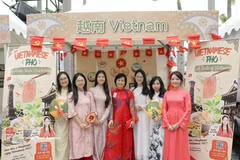
Vietnamese Consul General Le Duc Hanh (centre, in red traditional ao dai) joins Consulate General staff and representatives of the Vietnamese student community in Hong Kong at the Vietnamese booth during the festival. (Photo: VNA)

Vietnamese arts and cuisine shine at Hong Kong cultural festival

The annual Asia+ Festival, organised by Hong Kong's cultural authorities, featured a wide range of performances, from classical arts to popular entertainment and from indoor venues to outdoor spaces. Vietnam's contributions this year included Teh Dar, a contemporary bamboo circus performance by Lune Production, and dance and music performances prepared by members of the Vietnamese community in Hong Kong.

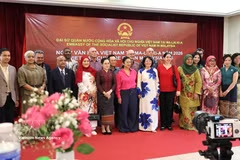
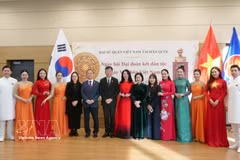
Vietnamese Ambassador to Malaysia Pham Thi Thuy Nga (centre, wearing ao dai) and guests at the event. (Photo: VNA)

Vietnam Culture Day impresses guests in Malaysia

Opening the event, Ambassador Pham Thi Thuy Nga emphasised that the occasion is a tribute to Vietnam's rich cultural heritage and the role of culture in shaping national identity. Forged over thousands of years of history, Vietnamese identity is reflected in the distinctive traditions, arts, cuisine and lifestyles of the country's 54 ethnic groups.

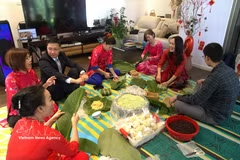
Vietnamese people in Israel gather to make banh chung (traditional sticky rice cake) for the Lunar New Year, preserving their customs and the flavours of home far from the homeland. (Photo: VNA)

Vietnam Culture Day 2026: Vietnamese in Israel keep their roots alive

Beyond Lunar New Year celebrations and major festivals, Vietnamese identity lives on in the language spoken at home, traditional meals, family ties and enduring affection for the homeland. Through these everyday practices, Vietnamese people abroad maintain a strong connection with their roots as they integrate into their host society.

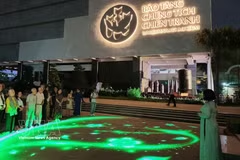
Visitors gather in the area around the Bell of Peace at the War Remnants Museum in Ho Chi Minh City (Photo: VNA)

War Remnants Museum launches night-time experience

Held in response to Vietnam Cultural Heritage Day (November 23) and ahead of Vietnam Culture Day (November 24), the programme takes visitors through three exhibition spaces under the theme “From Hanoi’s Sky to the Door of Freedom”.

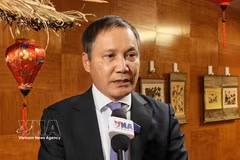
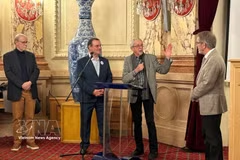
Vietnamese Ambassador to the UK Do Minh Hung gives an interview to the Vietnam News Agency at the event. (Photo: VNA)

Vietnam Culture Day 2026 celebrated in the UK

The centrepiece was a screening of director Leon Le's "Song Lang", a film spotlighting "cai luong" – a popular form of modern folk opera from Southern Vietnam that emerged in the early 20th century and remains a cultural touchstone.

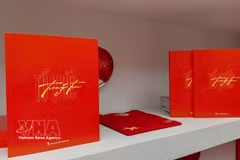
The bilingual interactive artbook makes debut (Photo: VNA)

Nhan Dan newspaper turns patriotic stage show into bilingual interactive book

The 180-page visual documentary blends artistic photography, historical material and interactive technology. QR codes on the pages let readers replay performances and moments from My Dinh National Stadium in Hanoi and the Van Phuc urban area in Ho Chi Minh City, turning the book into a read-watch-listen product.

The Complex of Hue Monuments, a world cultural heritage site, is a tourist magnet in Hue city. (Photo: VNA)

Vietnam taps cultural heritage to develop sustainable tourism

According to the Ministry of Culture, Sports and Tourism, Vietnam has more than 40,000 relic sites and nearly 70,000 inventoried intangible cultural heritage elements. These include 149 special national relic sites, 3,688 national relic sites, 735 elements on the National List of Intangible Cultural Heritage, 357 National Treasures and 177 museums housing more than four million documents and artefacts.

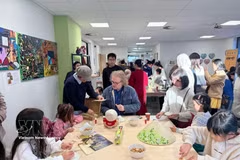
Parents and kids join a workshop making conical hats at the Vietnamese Culture Day “Vietnamese Stories” in Brussels, on November 21. (Photo: VNA)

Vietnamese culture comes alive through community stories in Brussels

A Vietnam Culture Day themed "Vietnamese Stories" was held at the Zoniënzorg Community Centre in Auderghem district, Brussels, on November 21, offering local residents an opportunity to explore Vietnamese culture through the experiences of the Vietnamese community in Belgium.

The Vietnam Museum of Ethnology, located on Nguyen Van Huyen street, is an ideal destination for visitors interested in the traditions and lifestyles of the country's 54 ethnic groups. (Photo: Courtesy of the museum)

Explore Hanoi’s cultural treasures for free on November 24

Five major museums across the capital will waive entrance fees for the occasion, giving visitors an opportunity to explore the country's history, artistic heritage, ethnic diversity and military traditions. The Thang Long Imperial Citadel, a UNESCO World Heritage Site, will also offer free admission to Vietnamese visitors on the day.

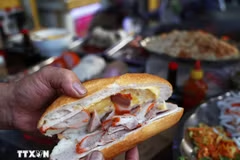
Vietnamese banh mi (baguette). Illustrative photo: VNA

Vietnamese banh mi finds place in Canada's multicultural life

From lunchtime visits to local eateries to cultural exchange activities at school, Vietnamese banh mi and coffee are helping bring Vietnam's culinary culture closer to Canadians and international communities in Toronto, a multicultural city in Canada.

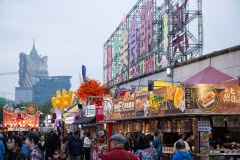
Vietnamese culture promoted at Macau food festival

Vietnamese culture promoted at Macau food festival

The Vietnamese Association in China’s Macau Special Administrative Region has set up a booth showcasing Vietnam’s distinctive culinary culture and staged traditional art performances highlighting the country’s national identity at the ongoing 26th Macau Food Festival.

A pho promotion programme is orgnised by Vietnamese Consulate General in Cambodia's Battambang province on November 20 (Photo published by VNA)

Vietnamese pho promoted in Cambodia

The “Day of Pho” event was held at Ngon Restaurant in Phnom Penh on November 21, highlighting Vietnam’s culinary heritage and promoting cultural exchanges between Vietnam and Cambodia.