Vietnam taps cultural heritage to develop sustainable tourism

According to the Ministry of Culture, Sports and Tourism, Vietnam has more than 40,000 relic sites and nearly 70,000 inventoried intangible cultural heritage elements. These include 149 special national relic sites, 3,688 national relic sites, 735 elements on the National List of Intangible Cultural Heritage, 357 National Treasures and 177 museums housing more than four million documents and artefacts.

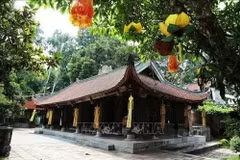
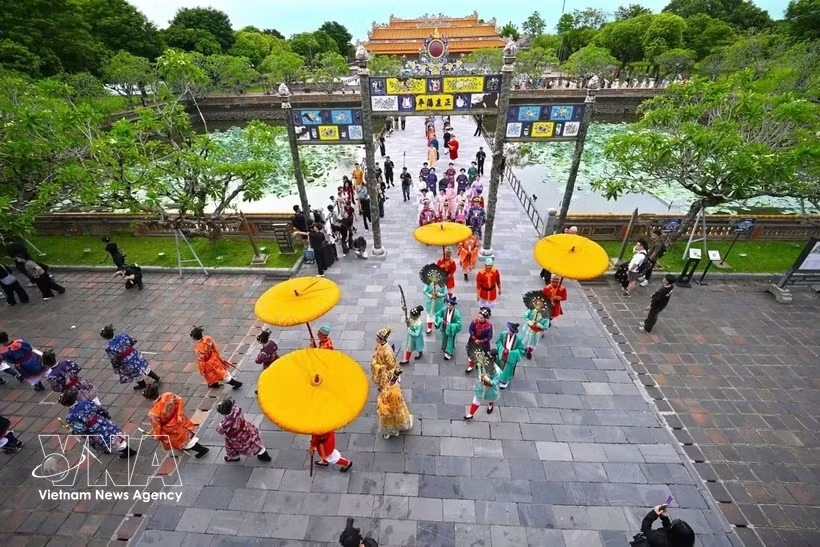
The Complex of Hue Monuments, a world cultural heritage site, is a tourist magnet in Hue city. (Photo: VNA)

Hanoi (VNA) – With its rich and diverse intangible cultural heritage, Vietnam has strong potential to develop creative tourism and create distinctive products. However, experts say turning heritage into a driver of sustainable tourism requires a balanced approach that preserves original values, encourages innovation, and ensures local communities play a central role.

According to the Ministry of Culture, Sports and Tourism, Vietnam has more than 40,000 relic sites and nearly 70,000 inventoried intangible cultural heritage elements. These include 149 special national relic sites, 3,688 national relic sites, 735 elements on the National List of Intangible Cultural Heritage, 357 National Treasures and 177 museums housing more than four million documents and artefacts. These resources provide a strong foundation for developing creative tourism products.

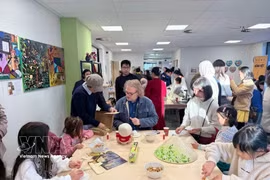
In Hue, visitors can explore the largely intact architecture of the former imperial capital and experience traditional activities such as learning Hue folk singing on the Huong River, royal-style tea and joining workshops on traditional costumes and court rituals. The year-round Hue Festival and other cultural programmes have diversified the city's tourism offerings.

In the first nine months of 2026, Hue welcomed 6.4 million visitors, up 29% year on year, including a 35.5% increase in international arrivals. Tourism revenue reached 15.4 trillion VND (600 million USD), up 60%.
vnanet_potal-da-nang-suc-hap-dan-cua-du-lich-trai-nghiem-o-hoi-an-8759835.jpg
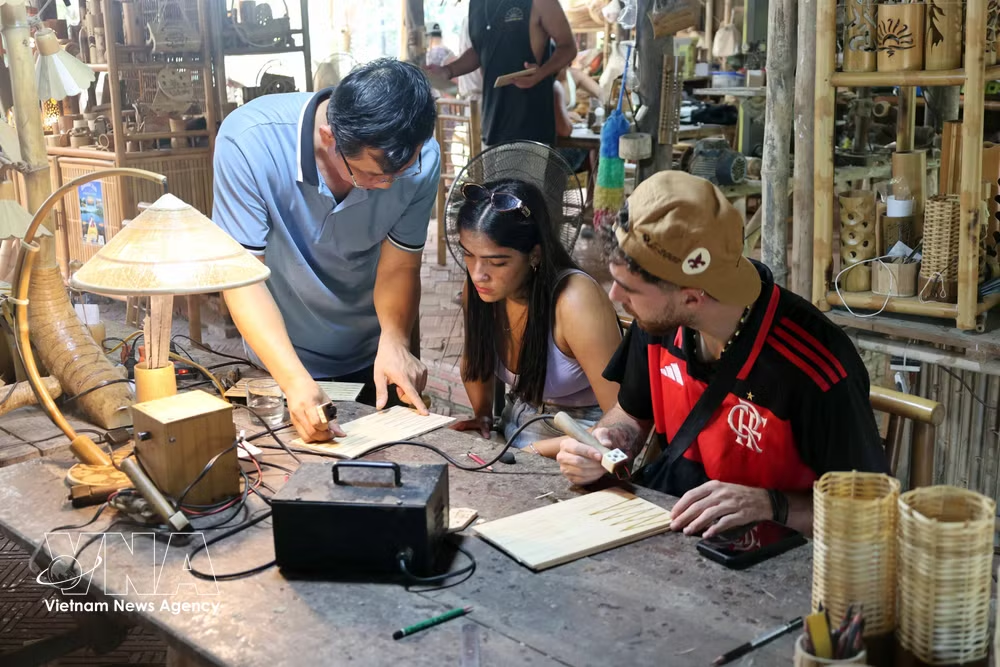
Tourists learn how to create decorative patterns on bamboo and wood at a tourist attraction in Hoi An Dong ward, Da Nang city. (Photo: VNA)

Bac Ninh, with more than 4,000 relic sites, 24 National Treasures and 28 nationally recognised intangible cultural heritage elements, also has considerable potential. Eight heritage elements inscribed by UNESCO, alongside traditional folk arts and rituals, provide material for distinctive tourism products.

In Hoi An, visitors can take part in lantern-making and traditional cooking classes or explore the ancient town at night. Hanoi, meanwhile, has promoted its identity as a creative city through Ca Tru, Xam and Cheo performances in the Old Quarter, as well as craft experiences in Bat Trang pottery village and Van Phuc silk village.

Phung Quang Thang, Chairman of the Vietnam Green Tourism Association, said creative tourism products should be rooted in local customs, traditional crafts, cuisine, festivals, language and folk stories. Authentic cultural experiences allow visitors to contribute to heritage preservation, while residents can become creators of tourism products and ambassadors for their communities, strengthening cultural pride, he said.

Despite this potential, creative tourism linked to intangible heritage still faces challenges. Nguyen Thi Phuong Lan of the Vietnam Institute of Culture, Arts, Sports and Tourism under the Ministry of Culture, Sports and Tourism said some localities continued to rely on staged performances and superficial recreations, with insufficient attention to visitor interaction and creativity. Some also confused cultural creativity with commercial entertainment, risking the loss of heritage's original character and symbolic value.

She pointed to inadequate coordination among the culture, tourism, education and media sectors, unclear incentives, limited public-private partnerships and a shortage of personnel with the cultural knowledge needed to develop creative products. Training for artisans, tour guides and event organisers also remained fragmented.

Lan warned that excessive commercialisation and the dominance of modern entertainment could undermine traditional values. She said heritage should provide the creative foundation for tourism, while tourism, in turn, could generate economic and social incentives for communities to preserve and pass on cultural traditions.

With proper management, creative tourism could help shift heritage preservation from simply safeguarding traditions to keeping them alive in contemporary community life. Experts stressed the need for oversight, ethical criteria and professional standards to ensure that tourism development respects heritage's authenticity.

Developed responsibly, creative tourism can generate economic benefits, strengthen cultural identity and enhance community creativity, helping Vietnam build distinctive and sustainable destinations./.
VNA

See more

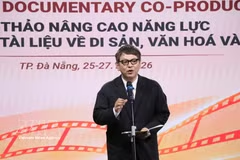
Aoki Kazunori, Head of Programming at the Asia-Pacific Broadcasting Union (ABU), speaks at the second ABU CARE 13 Documentary Exchange Conference. (Photo: VNA)

International cooperation promoted in documentary production on heritage, culture

Participation in ABU CARE 13 provides an opportunity for television professionals in the Central and Central Highlands region to exchange experience and learn modern storytelling approaches from international experts, while expanding co-production, copyright exchange and support for foreign film crews seeking access to filming locations in Vietnam

An art performance at Tam Thang Tower Square in Vung Tau ward draws large crowds of residents and visitors. (Photo: VNA)

Artistic events help connect heritage, culture, tourism

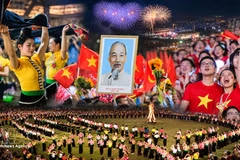
In Ho Chi Minh City, thousands of people attended a special programme entitled “Proud of Vietnamese Identity” to mark Vietnam Culture Day. Connecting three venues in Sai Gon, Thu Dau Mot and Vung Tau, the event combined traditional performances with 3D mapping technology to tell stories of southern Vietnam’s heritage and cultural traditions.

The special art programme brings together music, traditional and contemporary performances, spreading love for Vietnamese culture and national pride. (Photo: VNA)

Special art programme showcases flow of Vietnamese culture

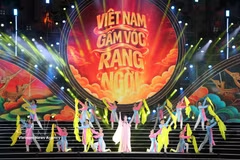
The large-scale event, entitled "Colours of Vietnam: Culture Lights the Way – The Nation in Harmony," brought together music, traditional and contemporary performances, spreading love for Vietnamese culture and national pride.

Culture fosters Vietnam-Canada friendship

Culture fosters Vietnam-Canada friendship

Through stories shared in poetry, music and conversations over Vietnamese food, members of the Vietnamese community had an opportunity to introduce their homeland’s culture to Canadian friends and help younger generations of Vietnamese origin learn more about their roots.

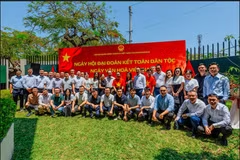
Vietnamese Ambassador to Mozambique Tran Thi Thu Thin, embassy officials and members of the Vietnamese community pose for a group photo at the National Great Unity Day and Vietnam Culture Day celebrations in Maputo on November 22.( Photo: VNA)

Vietnamese cultural identity promoted in Mozambique

National unity is a precious tradition and a tremendous source of strength that has enabled the Vietnamese people to overcome challenges and build and defend the country, while culture serves as the root, spiritual foundation and identity underpinning the nation's enduring vitality, said Vietnamese Ambassador to Mozambique Tran Thi Thu Thin.

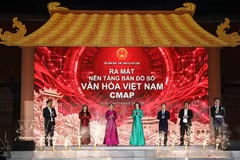
The Vietnam Cultural Digital Map (CMAP) is launched at https://cmap.vn. (Photo: VNA)

Technology helps spread cultural values, connect heritage

In many localities, digital platforms and databases are gradually changing the way heritage is preserved and presented. Artefacts once accessible only in exhibition spaces, as well as historical stories associated with particular places, can now be brought to life through 2D and 3D images, virtual reality, artificial intelligence (AI) and other interactive digital formats.

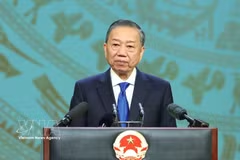
General Secretary of the Communist Party of Vietnam (CPV) Central Committee and President To Lam addresses the Hanoi ceremony marking the 80th anniversary of the first National Cultural Conference on November 24. Photo: VNA

Top leader calls for nurturing culture with responsibility, compassion and spirit of dedication

Cultural development must help individuals lead better lives and take control of their own futures. Everyone should be encouraged to learn, cooperate and innovate, value labour, and take responsibility for themselves, their families and society. National values, cultural values, family values and standards of Vietnamese people must be reflected in education and everyday conduct, said top leader To Lam.

New Vietnam Culture Day celebrates national cultural values

New Vietnam Culture Day celebrates national cultural values

Vietnam Culture Day on November 24 provides an opportunity to honour and promote the nation’s traditional cultural values. To turn culture into a resource for sustainable tourism, however, celebrations should go beyond commemorative events, creating opportunities for people and visitors to experience and practise cultural traditions, and strengthen their responsibility for preserving and promoting heritage.

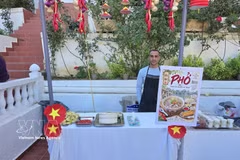
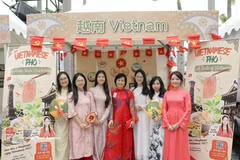
Vietnamese Consul General Le Duc Hanh (centre, in red traditional ao dai) joins Consulate General staff and representatives of the Vietnamese student community in Hong Kong at the Vietnamese booth during the festival. (Photo: VNA)

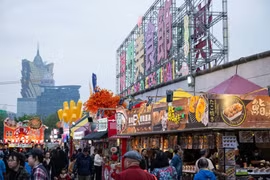
Vietnamese arts and cuisine shine at Hong Kong cultural festival

The annual Asia+ Festival, organised by Hong Kong's cultural authorities, featured a wide range of performances, from classical arts to popular entertainment and from indoor venues to outdoor spaces. Vietnam's contributions this year included Teh Dar, a contemporary bamboo circus performance by Lune Production, and dance and music performances prepared by members of the Vietnamese community in Hong Kong.

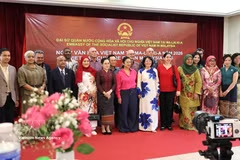
Vietnamese Ambassador to Malaysia Pham Thi Thuy Nga (centre, wearing ao dai) and guests at the event. (Photo: VNA)

Vietnam Culture Day impresses guests in Malaysia

Opening the event, Ambassador Pham Thi Thuy Nga emphasised that the occasion is a tribute to Vietnam's rich cultural heritage and the role of culture in shaping national identity. Forged over thousands of years of history, Vietnamese identity is reflected in the distinctive traditions, arts, cuisine and lifestyles of the country's 54 ethnic groups.

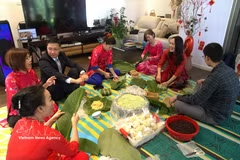
Vietnamese people in Israel gather to make banh chung (traditional sticky rice cake) for the Lunar New Year, preserving their customs and the flavours of home far from the homeland. (Photo: VNA)

Vietnam Culture Day 2026: Vietnamese in Israel keep their roots alive

Beyond Lunar New Year celebrations and major festivals, Vietnamese identity lives on in the language spoken at home, traditional meals, family ties and enduring affection for the homeland. Through these everyday practices, Vietnamese people abroad maintain a strong connection with their roots as they integrate into their host society.

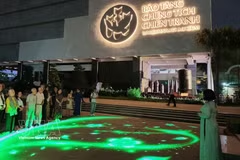
Visitors gather in the area around the Bell of Peace at the War Remnants Museum in Ho Chi Minh City (Photo: VNA)

War Remnants Museum launches night-time experience

Held in response to Vietnam Cultural Heritage Day (November 23) and ahead of Vietnam Culture Day (November 24), the programme takes visitors through three exhibition spaces under the theme “From Hanoi’s Sky to the Door of Freedom”.

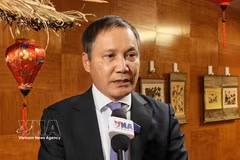
Vietnamese Ambassador to the UK Do Minh Hung gives an interview to the Vietnam News Agency at the event. (Photo: VNA)

Vietnam Culture Day 2026 celebrated in the UK

The centrepiece was a screening of director Leon Le's "Song Lang", a film spotlighting "cai luong" – a popular form of modern folk opera from Southern Vietnam that emerged in the early 20th century and remains a cultural touchstone.