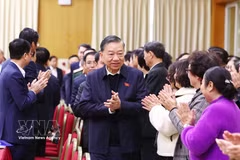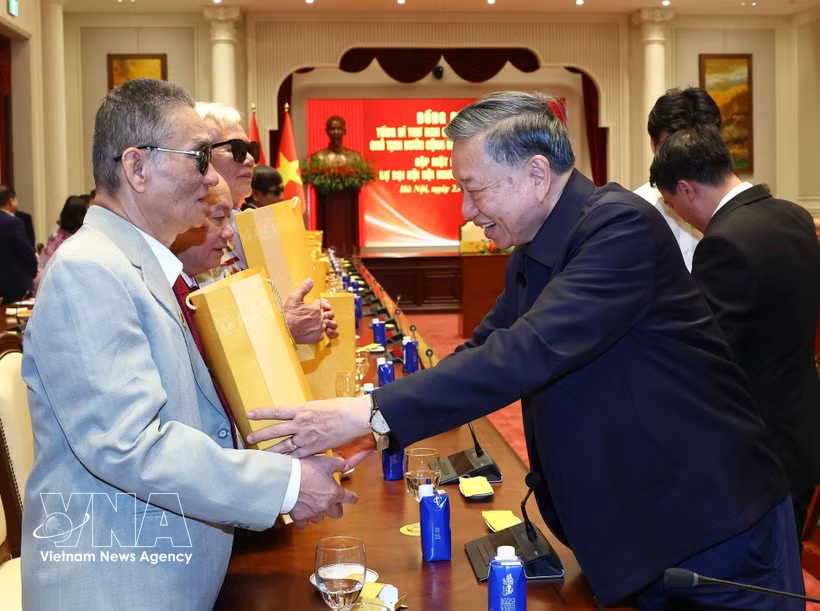
Hanoi (VNA) – General Secretary of the Communist Party of Vietnam Central Committee and President To Lam has called on the Vietnam Blind Association to continue to promote solidarity, self-reliance, resilience and the aspiration to advance, helping build an image of Vietnamese people with visual impairment as confident, creative and responsible members of the community.
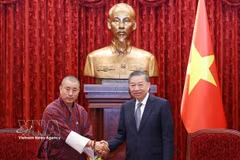
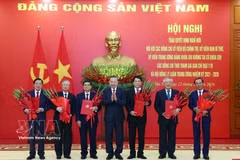
The leader made the call during a meeting with outstanding delegates attending the 11th Congress of the Vietnam Blind Association in Hanoi on the afternoon of November 25.
Visual impairment may limit one’s eyesight, he said, but it cannot constrain a person’s intellect, spirit, aspiration to live a useful life or capacity to contribute to the community and society.
Hailing the association’s efforts throughout more than 57 years of development since its establishment in 1969, he noted that the association has effectively fulfilled its role in representing, bringing together and uniting blind people nationwide, inspiring them to overcome challenges through determination, resilience and a desire to lead meaningful lives.
He affirmed that throughout the process of national construction and development, the Party and State had always paid close attention to leading and directing efforts to care for and protect the lawful and legitimate rights and interests of people with disabilities, guided by the principle of “leaving no one behind”.
Directive No. 14, issued by the Party Central Committee’s Secretariat on September 22, 2026, on strengthening the Party’s leadership over disability affairs in the new situation, clearly reflects a shift in thinking, placing equal rights and opportunities for inclusion and development at the centre of policy.
The Politburo also issued Directive No. 11 on July 20, 2026, on strengthening the Party’s leadership and promoting the role of mass organisations in the new development period. It requires such organisations to put their members, the people and national interests at the centre of their activities, while measuring performance by their contributions to society and the satisfaction of members and the public.
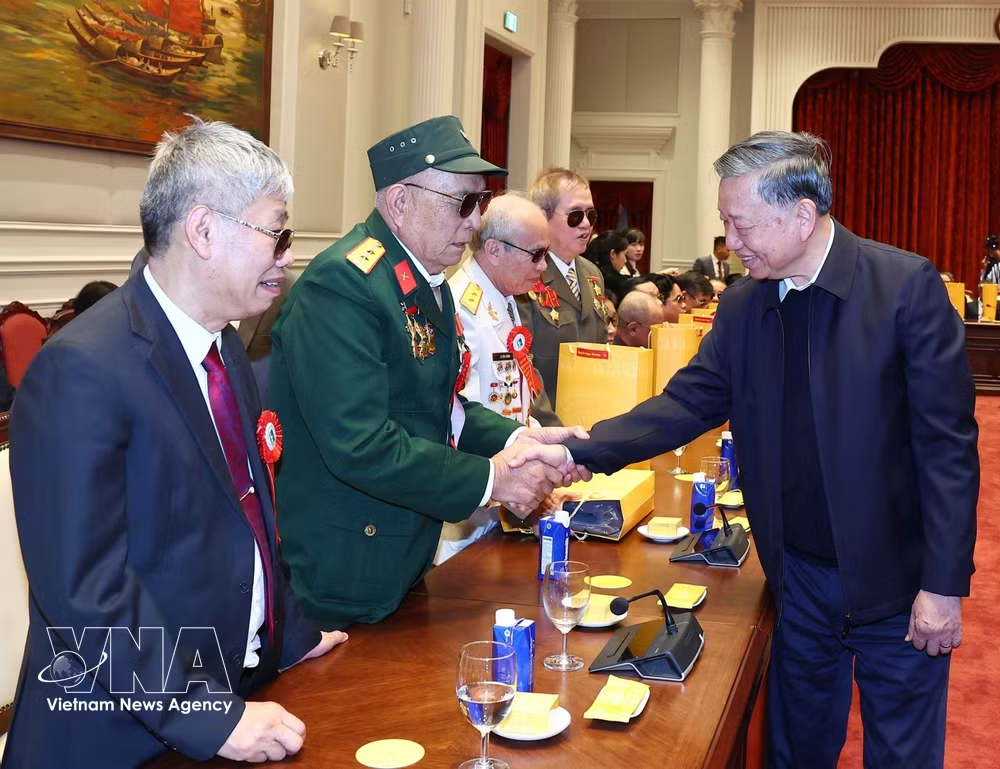
In the time ahead, the leader urged the association to renew its activities and operating methods to make them more practical and effective, while creating favourable conditions for members, particularly women and young people, to take an active part in the association’s activities.
The leader stressed that caring for members’ living conditions and ensuring their lawful and legitimate rights and interests must remain the association’s top priority. Particular attention should be paid to supporting disadvantaged blind people, especially those in remote and mountainous areas, ethnic minority communities and border regions.
He called for the development of suitable models of vocational training, job creation, loan assistance, production and business activities. The association should strengthen links with businesses and social organisations to expand employment opportunities, helping blind people secure stable incomes and gradually achieve economic independence.
General Secretary and President Lam emphasised the need to expand access to education and knowledge and harness advances in science and technology and digital transformation. The association should proactively apply artificial intelligence and appropriate assistive devices, while helping members improve their digital skills.
It should continue to maintain and develop Braille education, talking-book libraries and accessible learning materials, and encourage blind people to pursue lifelong learning and improve their professional qualifications and vocational skills, he said.
The association should take a proactive role in raising public awareness, mobilising social support, and participating in policy formulation and oversight of the implementation of policies for people with disabilities, he said, urging it to step up external relations.
The General Secretary and President asked the National Assembly, the Government, the Vietnam Fatherland Front Central Committee, central Party committees, ministries and agencies, as well as Party committees and authorities at all local levels, to promptly consider the association’s proposals and recommendations.
He also urged them to review and improve mechanisms, policies and laws on social assistance, particularly in healthcare, education, social insurance and vocational training for people with disabilities in general and blind people in particular, ensuring their effective implementation. Favourable conditions should be created for the association to participate in national target programmes, vocational training, job creation, livelihood support and efforts to improve the digital capabilities of visually impaired people./.