Ho Chi Minh City (VNA) – Overseas Vietnamese female intellectuals and businesswomen have voiced their opinions on the practical significance of Politburo Resolution No. 23-NQ/TW, issued on August 2, 2026, on work relating to Vietnamese people abroad, along with their specific proposals to further enhance the community’s contributions to national development.
Female ambassadors in foreign lands
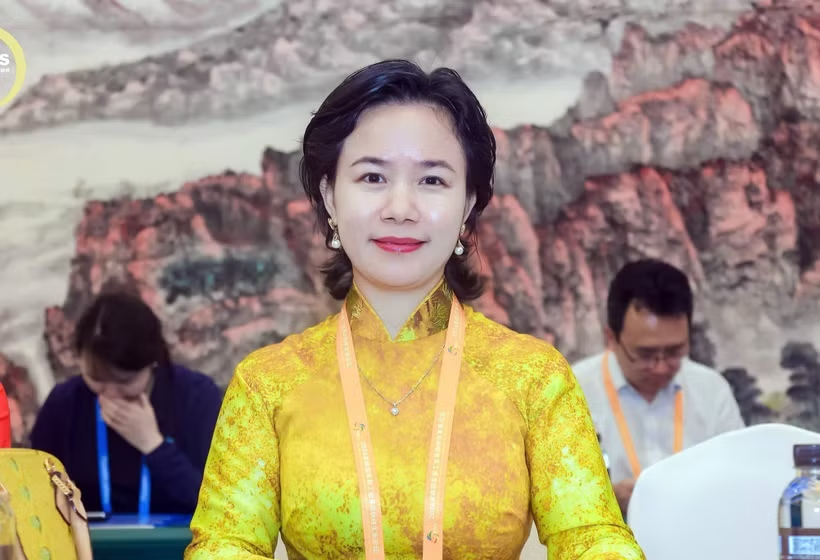
Expressing particular support for Resolution 23-NQ/TW, which identifies overseas Vietnamese as “cultural ambassadors” who can turn culture into a national resource and source of soft power, Professor and Doctor Phan Thi Tra My, Chairwoman of the Association of Vietnamese Enterprises in China, said the resolution touched on a profound principle that culture is not merely something to preserve, but also something to share with the world, transforming it into a source of soft power and a bridge connecting Vietnam with other countries.
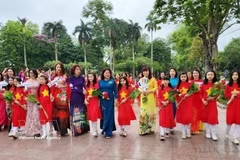
In this process, overseas Vietnamese women play a natural, persistent and enduring role. Vietnamese mothers continue to speak Vietnamese with their children every day, prepare Vietnamese dishes and preserve family traditions, lifestyles and Vietnamese ways of interacting with others. Vietnamese women wearing traditional “ao dai” in their host societies also help introduce and promote the country’s cultural identity to international friends.
Sharing this view, Tran Tue Tri, an overseas Vietnamese in Singapore and founder and CEO of the Stamford Global Leadership Centre, stressed that Vietnamese women abroad played a role that is both intimate and far-reaching. In many families, mothers and grandmothers are the ones who preserve the Vietnamese language, way of life, family meals and stories about the homeland. For generations born overseas, these seemingly small things form the bond that helps young people understand their roots and where they come from.
In modern life, overseas Vietnamese women can fulfil the role of cultural ambassadors in many ways: as mothers passing the Vietnamese language on to their children, artists telling Vietnamese stories through their works, designers incorporating Vietnamese materials into new products, or businesswomen connecting domestic artisans with international markets.
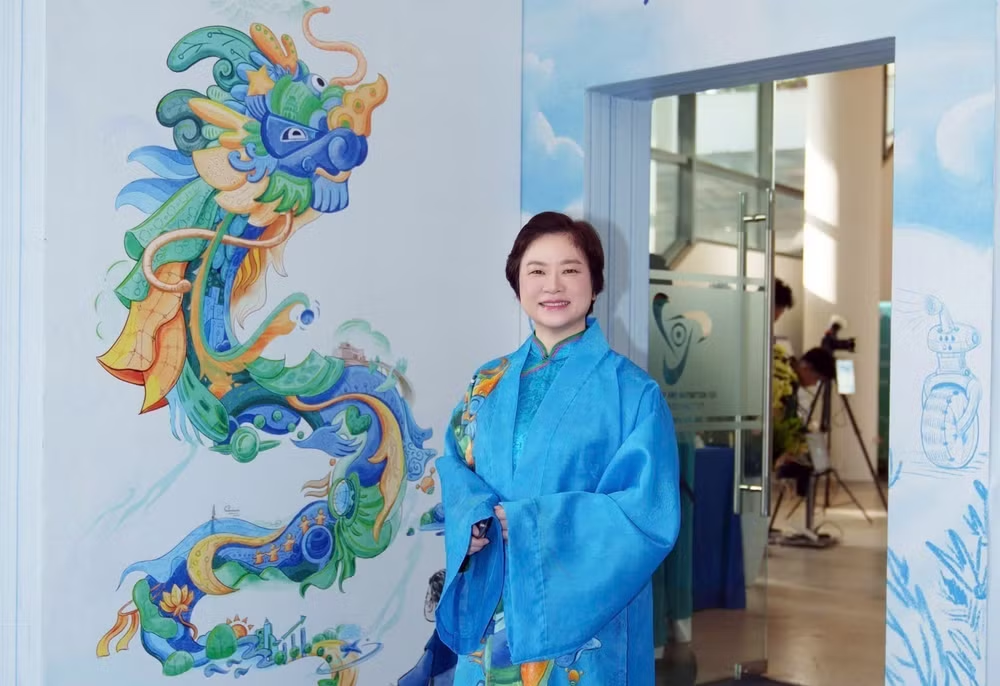
She said she hopes every Vietnamese woman abroad can become a cultural ambassador in her own way. “Beyond introducing what Vietnam already has, we can also work together to create new values that inspire international friends to learn about Vietnam, experience its culture and choose Vietnamese products,” the Singapore-based businesswoman said.
Turning overseas Vietnamese community into genuine resource
Discussing Resolution 23, Tri said its most significant aspect is its recognition of overseas Vietnamese as co-creators of the country’s future, rather than merely people to be mobilised or supported.
To enable the community to contribute more effectively, approaches need to continue evolving. A database of overseas Vietnamese should be developed based on their capabilities, including expertise, experience, networks and preferred forms of engagement, so that the right people can be matched with the right challenges.
At the same time, a clear, transparent and flexible mechanism for contributions should be established, she said, recommending focusing on outstanding experts, particularly younger generations, and proactively engaging young overseas Vietnamese through specific projects with clear objectives, timelines and partners. Young people are attracted by opportunities to make an impact, rather than general calls for contributions.
Sharing her strong support for Resolution 23, Professor and Doctor My said that, for the overseas Vietnamese community’s resources to be effectively mobilised, the resolution should soon be translated into concrete mechanisms, with clear contact points, practical cooperation programmes and feedback on each proposal from overseas Vietnamese.
When every member of the community is heard and supported, the strength of national unity will grow, and each person can become an extended arm and a firm bridge connecting Vietnam with the world and bringing the world’s finest achievements to Vietnam.
Doctor Ngo Pham Tran, Chairwoman of the Association of Vietnamese Enterprises in Taiwan (China), said localities, particularly Ho Chi Minh City, should establish a focal agency to support overseas Vietnamese wishing to return to Vietnam to pursue development opportunities or invest. This agency should provide dedicated mechanisms and preferential policies for those seeking to contribute to their homeland.
Drawing on her years of experience implementing investment and trade promotion programmes and connecting expertise in the city, Tran observed that Ho Chi Minh City’s dynamism, development and ability to help businesses integrate rapidly into international markets were advantages for overseas Vietnamese choosing the city as a place to invest and grow their businesses.
However, she recommended studying the possibility of establishing a separate legal framework for overseas Vietnamese rather than treating them as foreigners. Such a framework would help attract committed members of the community to return and contribute to the city’s development, in line with the orientation of Resolution 23./.