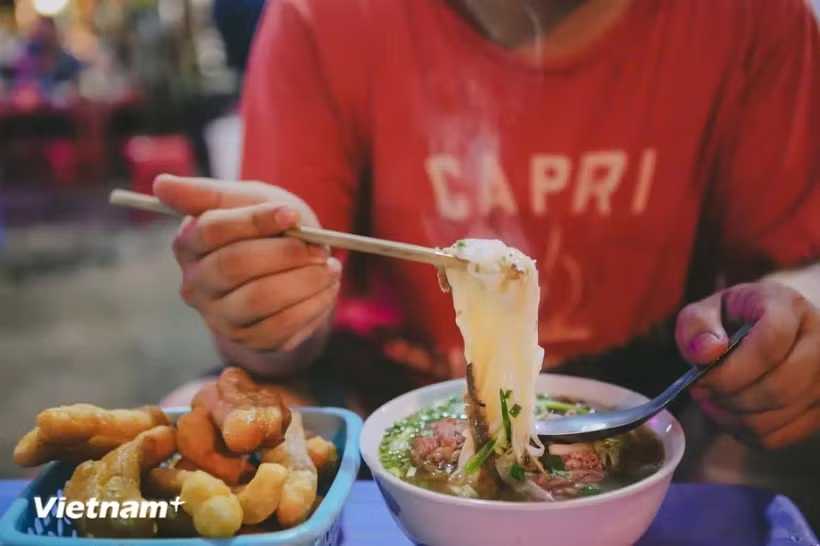
Hanoi (VNA) – The Ministry of Culture, Sports and Tourism has submitted a project on marketing Vietnamese tourism and cuisine abroad to the Prime Minister for 2026–2030. The project focuses on promoting culinary cultural tourism rather than simply showcasing Vietnamese cuisine.
The project also seeks to help implement Politburo Resolution No. 80-NQ/TW on the development of Vietnamese culture, which prioritises stronger promotion and international integration, as well as honouring cultural identity and bringing into full play heritage value to enhance the country’s soft power.
Positioning national tourism brand through cuisine
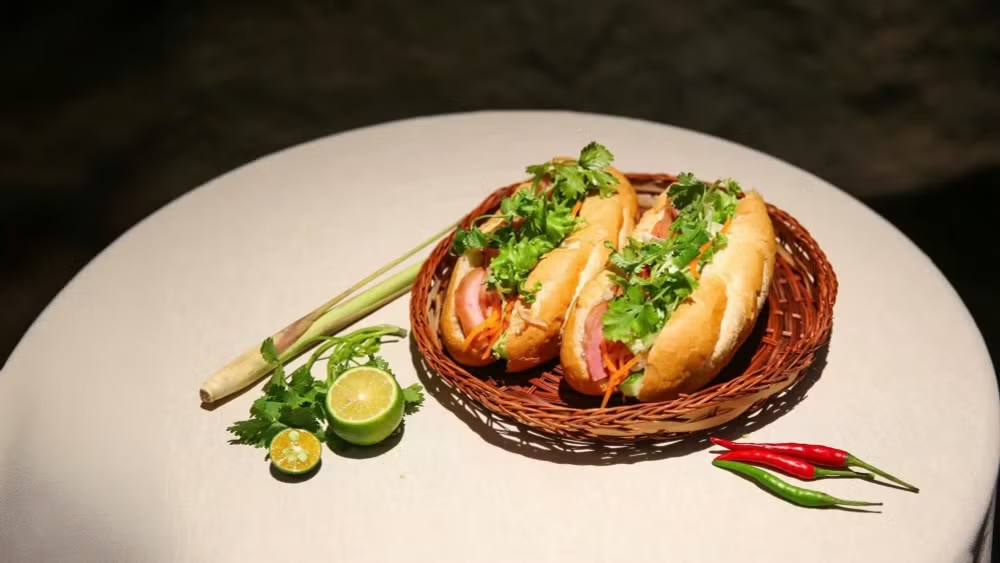
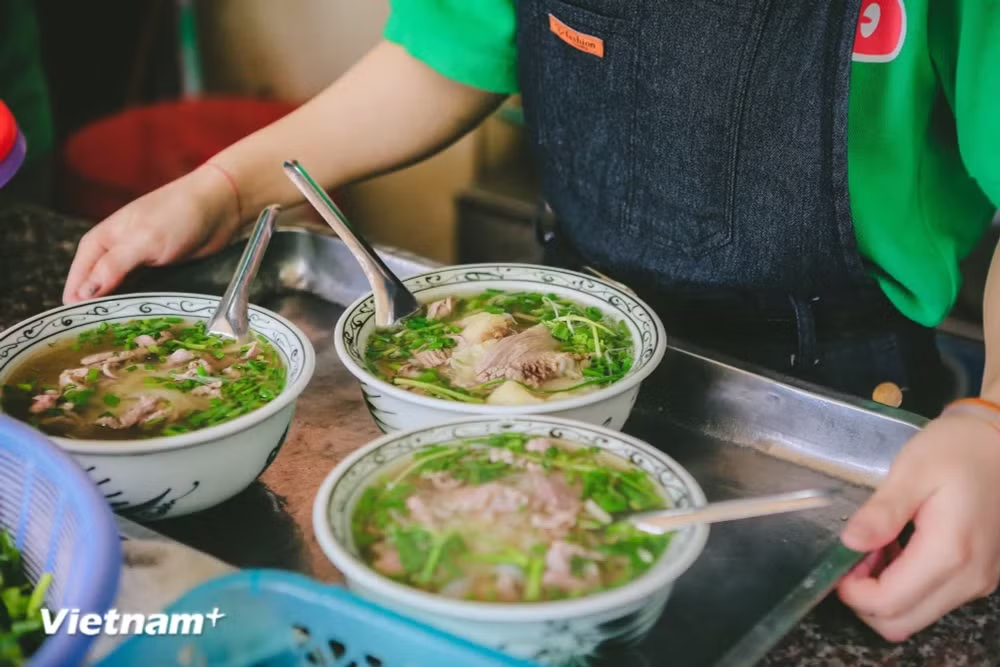
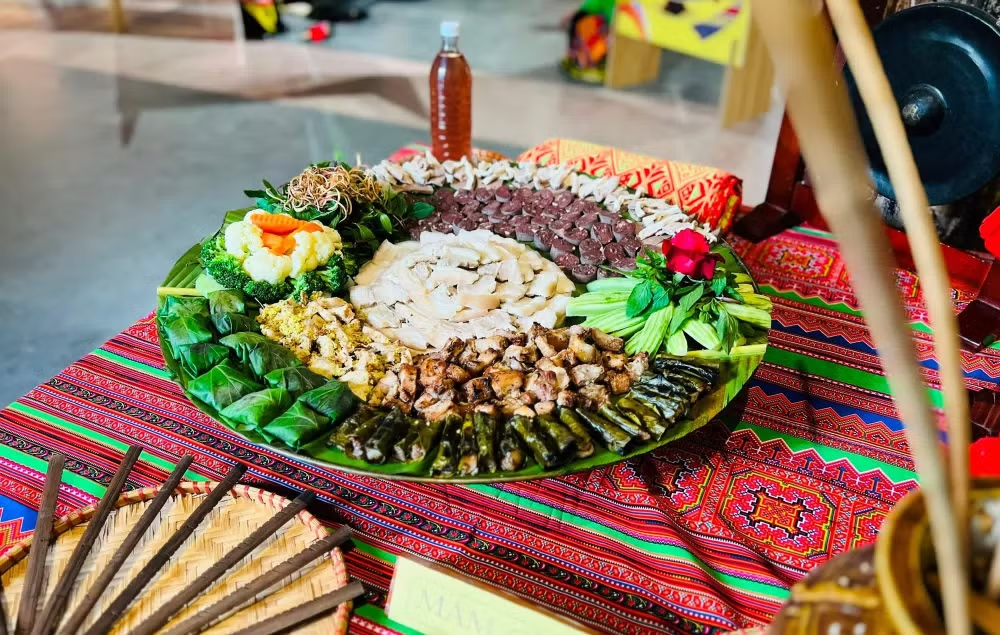
Over thousands of years of history, Vietnam’s rich and diverse culinary heritage has been shaped by the cultures of its 54 ethnic groups, encompassing imperial cuisine, traditional and street food, along with craft villages and local specialities. These constitute a distinctive and unique resource for tourism development.
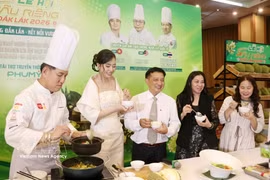
Speaking at a recent workshop on the role of cuisine in the development of Vietnamese tourism in Hanoi, Nguyen Thi Hoa Mai, Deputy Director General of the Vietnam National Authority of Tourism, said that based on research into international experience and global tourism trends, the authority has advised the ministry to submit to the Government the 2026–2030 project.
The project aims to make cuisine a core element in positioning the national tourism brand and enhancing the competitiveness of Vietnamese destinations in Asia and around the world.
“Every Vietnamese dish embodies historical and cultural values as well as indigenous knowledge that should be brought to life through engaging stories, giving visitors deeper and more meaningful experiences,” Mai stressed.
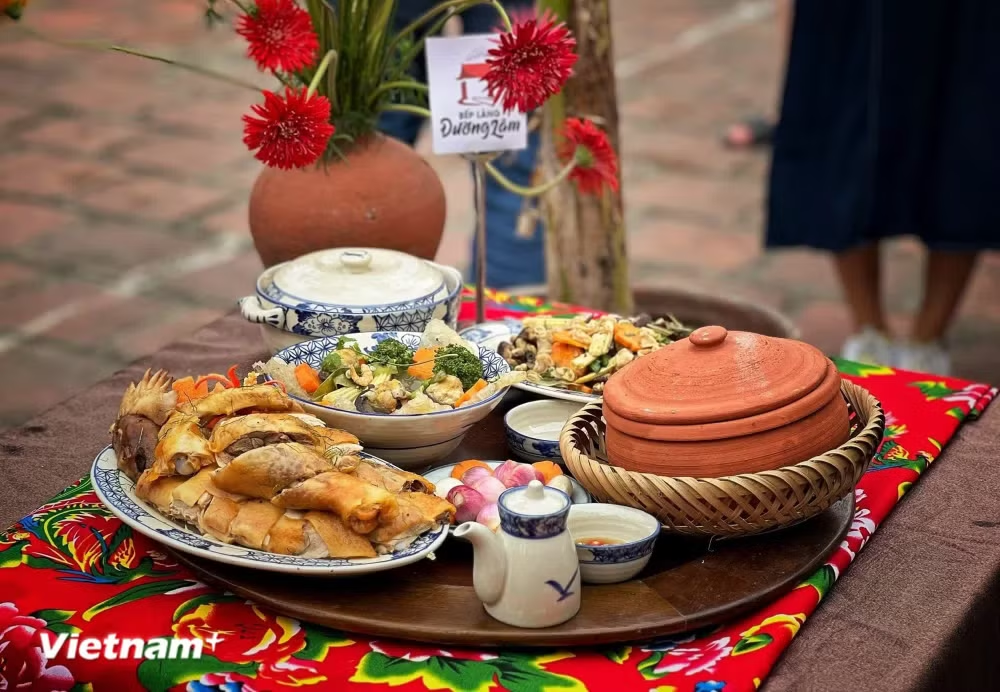
Creating experiences from culinary heritage
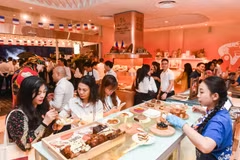
Global trends are shifting towards a search for authentic, personalised experiences rich in cultural identity. Against this backdrop, culinary tourism has become an important driver of destination competitiveness.
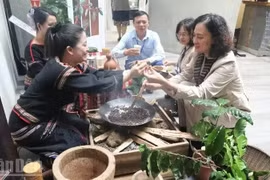
MA Nguyen Thi Lan Huong from the Vietnam Institute of Culture, Arts, Sports and Tourism (VICAST) said it is necessary to shift the mindset from simply selling dishes to developing co-created experiences, in which visitors directly participate in activities such as preparing food, exploring traditional markets and craft villages, and interacting with artisans. Such experiences can increase the value of tourism, preserve culinary heritage and generate sustainable livelihoods for local communities.
Mai stressed that to tap the potential of culinary tourism and foster its development, Vietnam needs a unified national-level strategy to provide direction, connect resources and maximise those already being mobilised by localities and businesses. This will also provide a foundation for building a coordinated, professional and sustainable ecosystem for culinary cultural tourism./.
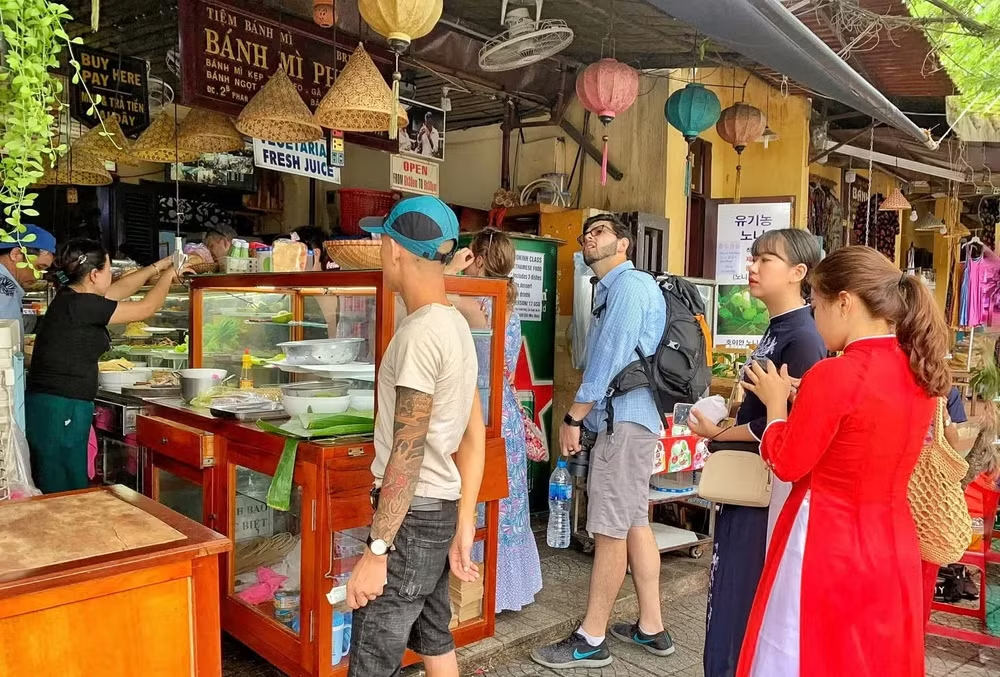
The project on promoting and marketing Vietnamese tourism and cuisine abroad for 2026–2030 sets out a system of specific objectives, targets and groups of tasks, with the goal of making Vietnam one of Asia’s five most attractive culinary destinations.
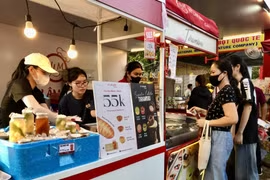
It proposes building a national brand for culinary cultural tourism, developing food streets meeting established standards, and fine-tuning the quality standards system. It also suggests expanding the network of Vietnamese restaurants overseas, stepping up promotion in international markets, developing Halal tourism, and strengthening links between localities and businesses in developing tourism products.