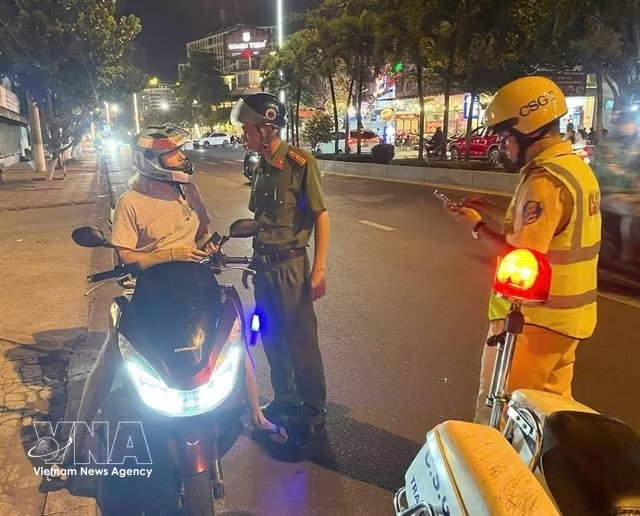
Hanoi (VNS/VNA) – The Ministry of Public Security said it would strengthen the management of foreigners living and travelling in the country, while maintaining relatively open visa and immigration policies aimed at supporting tourism, investment and economic growth.
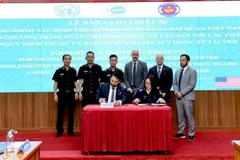
Speaking at a conference on foreigners management matters held in Ho Chi Minh City on May 15, Deputy Minister of Public Security Lieutenant General Pham The Tung said Vietnam recorded more than 22.8 million foreign arrivals in 2025 – the highest figure on record and up around 18% from 2024.
From the beginning of 2026, more than 9 million foreign arrivals have already been recorded, an increase of 22.5% year-on-year.
Officials said Vietnam would continue implementing immigration and entry policies designed to facilitate travel and international exchanges, while also promoting tourism, trade and foreign investment.
At the same time, the ministry warned that some foreigners had allegedly exploited more relaxed visa policies to engage in illegal activities, prompting concerns over increasingly complex law enforcement and security challenges.
Authorities did not specify which types of violations were becoming more common, though recent police announcements have involved cases linked to online fraud operations, immigration offences, public order disturbances, and foreigners overstaying or working without proper documentation.
The ministry said police units nationwide had been instructed to improve forecasting, coordination and enforcement measures related to foreigners residing in Vietnam.
Tung stressed that commune and ward police would play a larger role in managing foreigners, in line with Vietnam's push for decentralisation and administrative reform.
Vietnam currently offers e-visas to citizens from all countries and territories, while visa exemption policies have also been expanded in recent years as part of efforts to revive tourism and attract international business following the pandemic./.

Visa waiver policy accelerates tourism growth
The difference comes from travel convenience, with visas being the first barrier that should be removed. Easier entry encourages longer stays and higher spending, creating greater economic value than visa fees.