Hanoi (VNA) - Vietnam’s seafood exports kept up double-digit growth in the first 10 months of 2026, reaching nearly 10.5 billion USD, up more than 12% from a year earlier.
That gives the sector new momentum into year-end when holiday demand climbs in western and Asian markets.
Toward new record
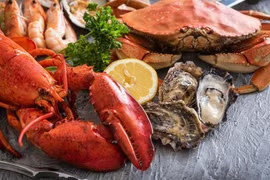
Shrimp led with 4.2 billion USD, up 9%; tra fish earned nearly 2 billion USD, up 11%; crab and swimming crab posted the fastest gain, up more than 32% year-on-year.
Vietnam remains well placed, with seafood sold in most countries and accepted in premium markets on the back of deep-processing capacity and a broad product mix.
Farming, especially shrimp, is not without pressure as production costs are 20%–30% above those of Ecuador and India. Still, Vietnam’s specialty and added-value shrimp lines continue to win high-end demand in Japan, Europe and America.
China remained the top market in 2026, ahead of the US and Japan. Deputy Secretary General of the Vietnam Association of Seafood Exporters and Producers (VASEP) Le Hang said 10-month exports to China rose 30% annually to 2.6 billion USD.
ASEAN also grew strongly, with exports exceeding 700 million USD, up 23% from the same period in 2025. Together, China and ASEAN accounted for 67% of the sector’s total incremental turnover in the 10 months.
The pattern shows Vietnamese exporters are capitalising on proximity and regional demand, a useful buffer as some traditional markets struggle.
China’s 30%-plus growth signals both scale and shifting opportunity. Demand is spreading from coastal cities into inland provinces, opening room for premium fresh items as well as ready-to-eat and convenient products for daily meals.
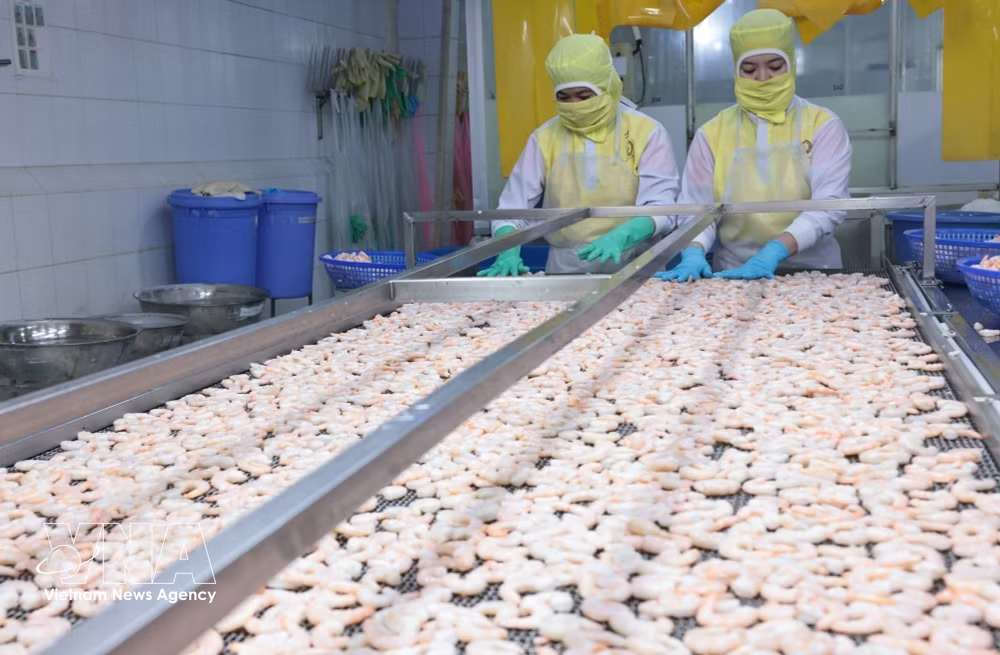
A 12 billion USD annual record now looks achievable. With nearly 10.5 billion USD booked in 10 months, the final two months need to average about 770 million USD, below the 1.3 billion USD recorded in October alone.
New growth pillars
Vo Van Phuc, CEO of the Vietnam Clean Seafood JSC, said shrimp’s biggest constraints are seed quality management and operating costs. Thousands of hatcheries operate without a robust quality control mechanism, raising disease risk for farmers. Producers must control disease from seed selection, optimise input costs and comply with labour, environmental and traceability rules to clear tough technical barriers.
VASEP Secretary General Nguyen Hoai Nam said Vietnam must defend its position in established strategic markets while building new growth pillars large enough to widen the sector’s runway. Japan remains a fit for deep-processed, high-value lines while the Republic of Korea offers a solid base and room to expand in several segments.
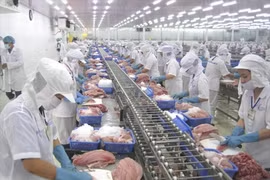
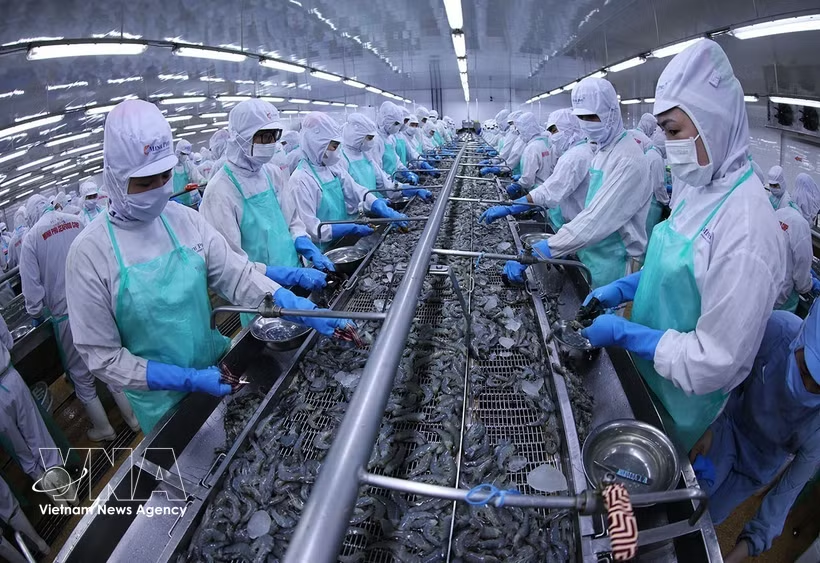
About 1,500 companies are exporting Vietnamese seafood, and roughly 1,100 own processing plants. Exporters still face difficulty securing reasonably priced capital to expand output, develop raw materials and upgrade technology. During a recent visit to Minh Phu Hau Giang Seafood JSC in Can Tho, Deputy Prime Minister Ho Quoc Dung said the Government is committed to lowering interest rates and improving corporate access to capital for production, trade and competitiveness./.