Hanoi (VNA) – Developments in manufacturing, investment and capital flows are highlighting key trends in Vietnam’s economy towards the end of 2026, with industrial production, construction and foreign direct investment (FDI) continuing to support growth.
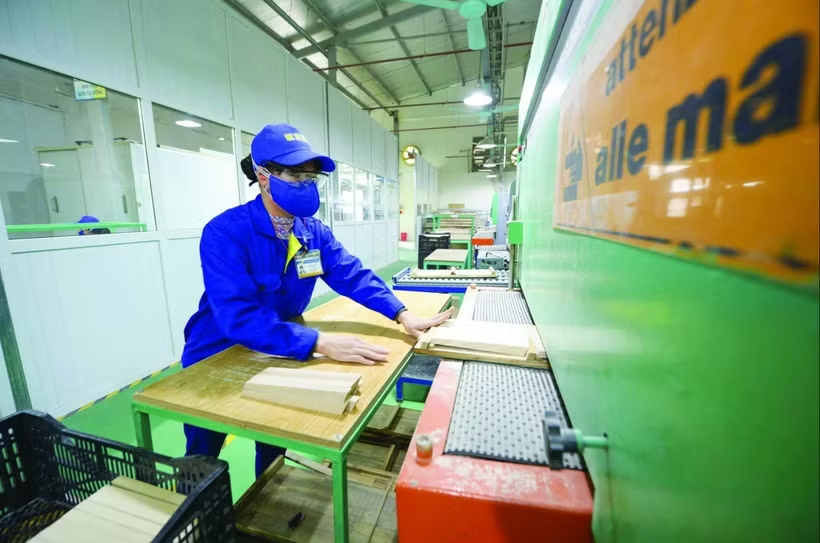
Vu Viet Linh, Deputy Head of the Institutional Client Analysis Division at Maybank Investment Bank Vietnam, said that despite complicated international geopolitical developments and mounting inflationary pressures, industrial production and construction has maintained positive momentum, contributing to domestic economic growth.
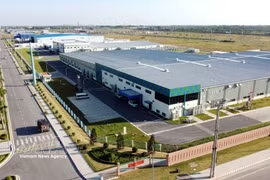
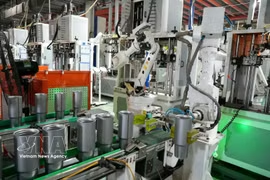
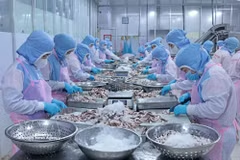
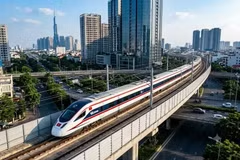
In the third quarter, industrial production grew by more than 12%, while construction expanded by nearly 12%, supported by infrastructure investment demand. Total social investment in the first nine months rose by around 15%, compared with nearly 12% in the same period last year, reaffirming manufacturing and investment as major growth drivers.
FDI also remains an important source of capital. Linh highlighted realised FDI as a more reliable indicator of investment performance than newly registered capital, which reflects commitments rather than actual capital inflows.
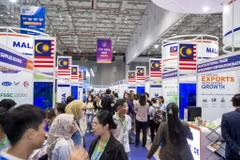
Over the past decade, realised FDI in Vietnam has increased by an average of around 15% annually, a relatively high rate in the region. The FDI sector accounts for approximately 20% of total social investment and nearly 25% of GDP. Maintaining investment attraction and disbursement amid rising international capital costs is therefore a notable achievement, he said.
Corporate financial health remains uneven
Despite positive production and investment trends, business performance varies. Phung Xuan Minh, Chairman of the Board of Saigon Ratings, noted that economic growth did not necessarily translate into improved financial health for all businesses, given differences in scale, capital structure and operating conditions.
According to the National Statistics Office, around 243,600 businesses were newly established or resumed operations in the first ten months of 2026, down 4.8% year-on-year. Meanwhile, approximately 182,000 withdrew from the market, a decrease of 4.5%.
Small and medium-sized enterprises and businesses heavily dependent on borrowing remain particularly exposed to cash flow constraints, financing costs and competitiveness pressures. Their financial health should be assessed through profitability, operating cash flow, leverage, asset utilisation and debt repayment capacity, Minh said.
Effective cash flow management also requires diversified funding sources. While banks remain the primary capital providers, equity and corporate bond markets can offer additional medium- and long-term financing, helping businesses match funding maturities with investment cycles and reduce dependence on bank credit.
Issuers' credit quality is equally important. Transparent information disclosure, sound cash flow and debt management, and fulfilment of financial obligations enable investors to assess corporate capacity. Independent credit ratings can provide additional insights into credit risks and help distinguish issuers of different credit quality, although they do not replace investors' due diligence or eliminate investment risks.
Minh also expects public investment disbursement to improve during the remainder of the year, although some projects may face obstacles related to legal procedures, site clearance, implementation arrangements and inter-agency coordination.
Meanwhile, policy transparency, stability and predictability remain essential to improving the business environment, reducing compliance costs and strengthening investor confidence.
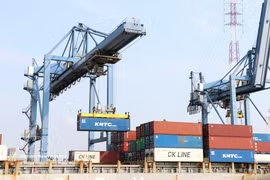
For the rest of 2026, industrial production, public investment, international trade, FDI, domestic consumption and tourism are expected to continue supporting economic growth. However, the outlook will also depend on inflation control, exchange rate stability, financial system liquidity and corporate performance.
Minh maintained a positive but cautious outlook, warning that rising price pressures could narrow the room for monetary policy to support growth.
Ultimately, production momentum, investment progress and capital mobilisation remain closely interconnected. The ability of businesses and infrastructure projects to mobilise and efficiently utilise resources will be crucial to sustaining the quality of Vietnam's economic growth./.
VNA