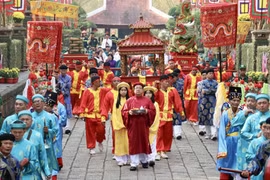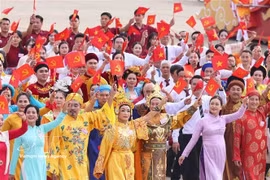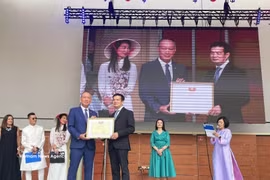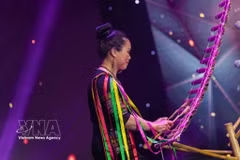
Hanoi (VNA) – The Department of Performing Arts under the Ministry of Culture, Sports and Tourism on September 14 issued an open letter calling on cultural and art bodies, theaters, art troupes and units, businesses staging music performances, and artists and creators to mark the first Vietnam Culture Day (November 24).
The Politburo's Resolution 80-NQ/TW, dated January 7, 2026, on cultural development designated November 24 as Vietnam Culture Day, to be observed annually, the department said. This is a particularly important policy that reaffirms the position and role of culture in national construction and development, framing culture as a spiritual foundation, an internal strength, a resource and a key driver of sustainable development, not merely a field to be preserved and upheld.
The day is meant to give the public a platform to take part in, create and enjoy cultural activities, while pushing artists and cultural workers to uphold their talent, responsibility and aspiration to contribute.
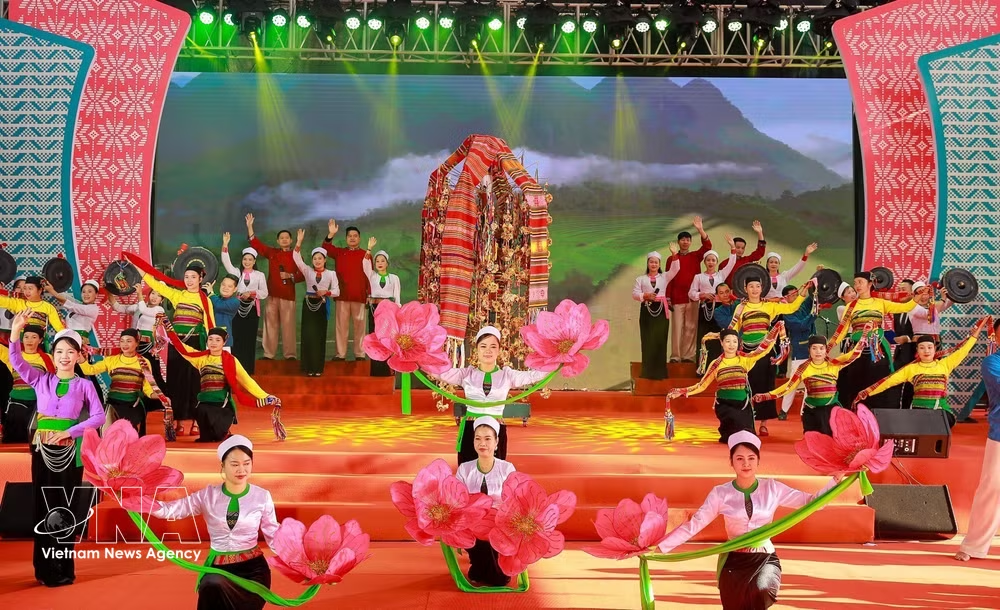
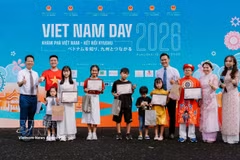
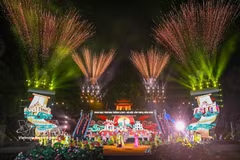
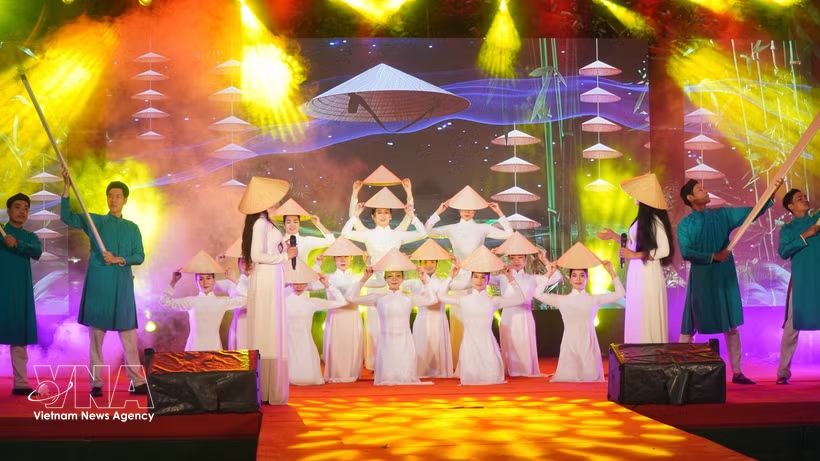
The occasion is meant to be more than a commemoration, but also a festival for the people, culture, arts and creativity. It should also serve to honour, spread and nurture the nation's fine values in social life.
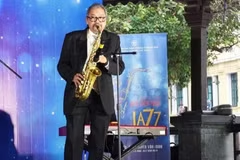
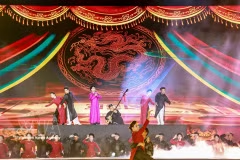
Music performances should receive serious investment in content and staging, with attention to ideological substance, artistic quality and social impact. They should highlight the Party, President Ho Chi Minh, the homeland and Vietnamese people; honour achievements in national construction and defence; stir patriotism, national pride and aspirations for development; reinforce national identity and traditional cultural values; and bolster solidarity, compassion, community responsibility and a civilised way of life.
Beyond political and traditional themes, the department urged units to curate shows that are highly entertaining yet carry cultural depth, aesthetic value and positive messages suited to today's audiences.
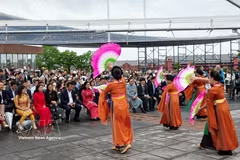
Activities may include performances at theatres, public spaces, schools, industrial parks, remote and disadvantaged areas, border regions and islands.
Organisers are encouraged to expand free events for communities and specific audience groups; pair live performances with television, radio and digital platforms; spread folk and traditional arts; support new creative works with a distinct Vietnamese identity, and expand exchanges between artists and audiences./.