Quang Tri (VNA) – QR codes are becoming digital addresses for residents in rural areas of the central province of Quang Tri, helping delivery workers locate homes, rice traders find collection points and emergency services reach patients. The initiative is also laying the groundwork for forming digital communities at the grassroots level.
QR codes in everyday life
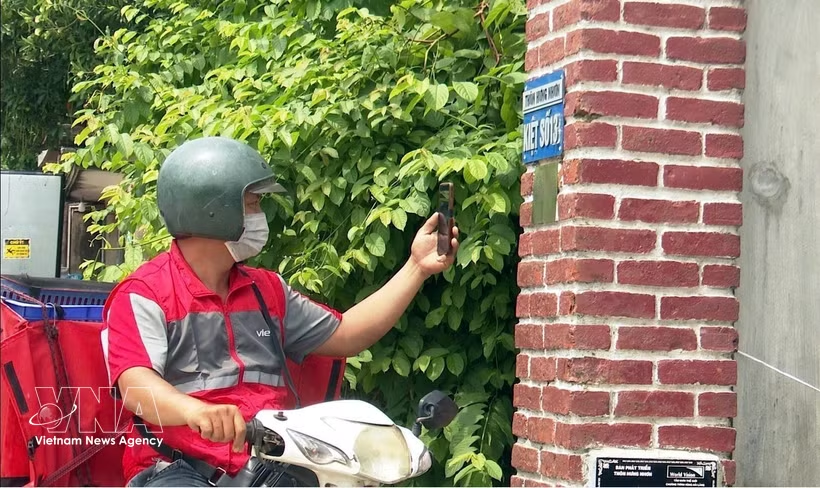
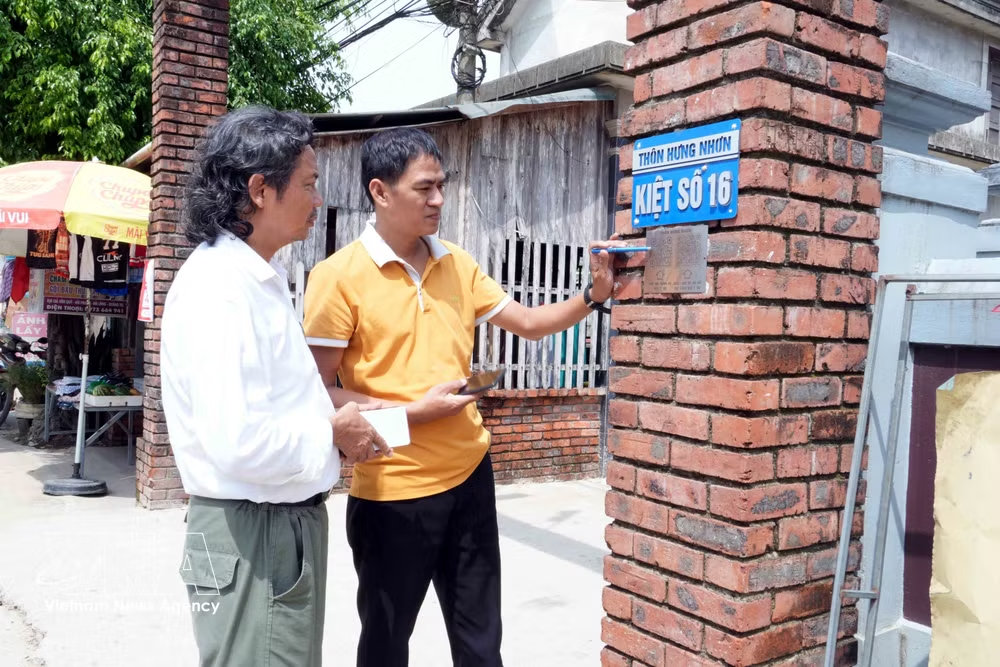
In Hai Hoa hamlet, narrow alleys and intersecting roads often make giving directions difficult. Since April 2025, QR codes have been installed at 16 alleys in the former Hung Nhon village, now part of Hai Hoa hamlet, allowing residents to share their home locations via mobile phones.
Nguyen Nhu Khoa, who initiated the model, said residents could send their QR codes to visitors and service providers, enabling them to find homes without asking for directions.
Nguyen Duc Phuc, a local resident, said the codes had made navigation easier, particularly for delivery workers and visitors unfamiliar with the area. Delivery worker Le Van Duy said they had saved him time when delivering parcels to homes in narrow alleys.
The codes have also proved useful in emergencies. Nguyen Duc Dung, another local resident, recalled a case in which a person working away from home sent an ambulance a QR code showing his family's location after his father fell ill at night, helping the driver find the house quickly.
The technology is also supporting local business. Rice trader Nguyen Danh Hoa said farmers previously had to arrange for him to visit their homes to collect rice. Now, they simply share their locations, allowing him to forward the codes to drivers, who can independently reach collection points and transport the produce.
Residents are also using QR codes on wedding invitations and to share relatives' addresses when ordering goods from shops.
The initiative's wider impact is helping residents become familiar with using digital information in their daily activities.
Expanding the model
The initiative has attracted interest from other localities in Quang Tri, which are adapting it to their needs.
In Bac Gianh ward, the “QR house numbers – building digital communities” initiative has been implemented in Minh Phuong residential area.
Tran Ngoc Huong, Vice Chairwoman of the Bac Gianh ward People's Committee, said the locality had drawn on the experience of the former Hung Nhon village to develop its own model.
Each household receives a unique QR code linked to its geographical location on a digital map. All 277 households across Minh Phuong's three residential clusters and nine alleys have been included.
Beyond facilitating navigation, the model aims to standardise household addresses and build digital location data to support deliveries, postal services and public administration.
Bac Gianh is also applying QR codes to boat management, with around 500 boats being assigned codes as part of efforts to digitise local management.
Nguyen Duong Thanh Binh, Vice Chairman of the Nam Hai Lang commune People's Committee, said the locality valued the initiative for bringing technology into everyday life and supporting public services.
The commune is planning to use digital technology to standardise street names and house numbers and gradually digitise land management and administrative governance.
The initiative demonstrates how simple technological solutions can support rural digital transformation. By standardising household locations and integrating them into digital maps, QR codes are evolving from convenient navigation tools into shared data that can benefit residents, businesses and local authorities./.