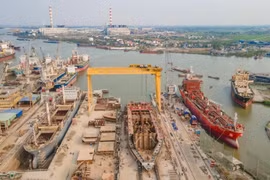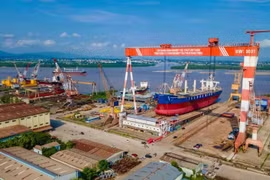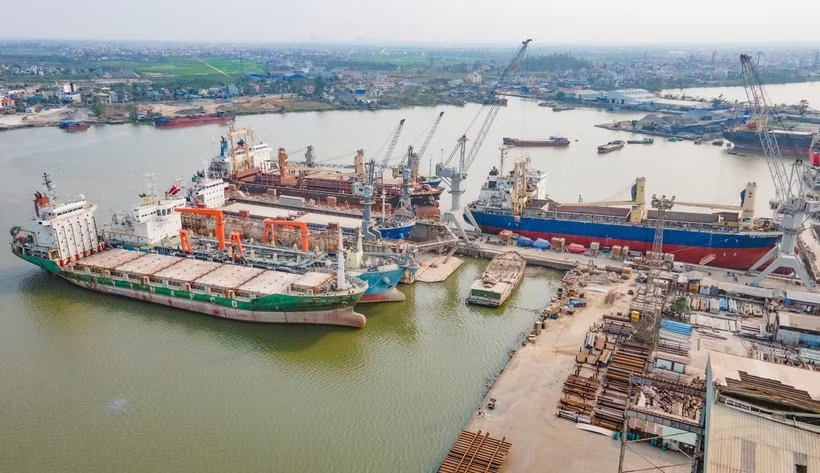
Hanoi (VNA) – Member shipyards of the Sai Gon Shipbuilding and Marine Industry Co., Ltd (SBIC) have urged the State to introduce special mechanisms to stabilise and foster the long-term development of Vietnam’s shipbuilding industry.
Vietnam’s shipbuilding industry is contending with a severe shortage of labourers driven by low wages and post-COVID workforce shifts. At the same time, stringent emissions standards compel yards to design and build environmentally friendly vessels at significantly higher costs. Adding to the pressure, lingering debts from the collapsed Vinashin continue to burden shipbuilding affiliates of SBIC, making it difficult for businesses to access bank loans.
While SBIC completes the formal procedures to align its debt resolution roadmap with the Politburo’s directives, its member shipyards are striving to retain their workforce, secure partners and new orders, and prepare for growth once these challenges are overcome.
These shipbuilders have urged the State to introduce special and expedited mechanisms to stabilise and foster the long-term development of Vietnam’s shipbuilding industry.
Underinvestment and labour shortages hamper shipyard growth
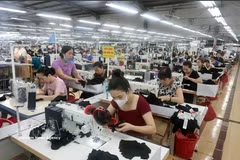
Nguyen Ba Son, Deputy General Director of Bach Dang Shipbuilding Co., Ltd, warned that most skilled shipbuilding workers have migrated to other sectors, deepening an already critical labour shortage.
“Next-generation talent is dwindling, leaving the firm short of skilled labourers and technical supervisors,” he said.
Acknowledging the acute manpower shortage in shipbuilding, Tran Van Rung, Deputy General Director of the Pha Rung Shipbuilding Company, noted that the shipbuilding industry in particular, and the mechanical engineering industry in general, require formally trained engineers and technical workers with at least two years of hands-on experience to meet job requirements.
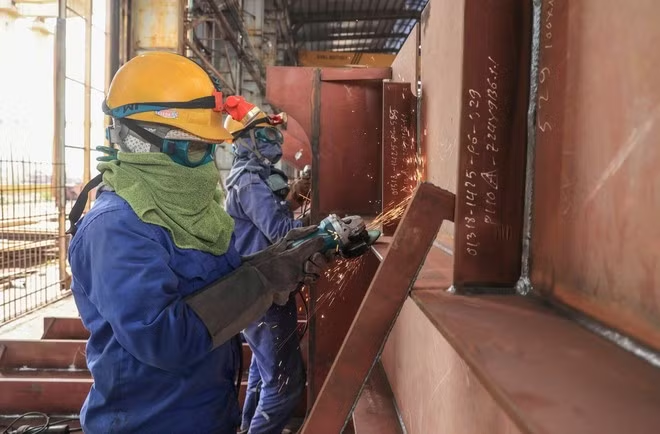
To meet its labour needs, the Pha Rung shipyard has been recruiting general labourers for shipbuilding training, engaging subcontractors, and hiring both domestic and foreign workers. Despite these efforts, it still faces a shortfall of 300 to 500 workers.
Pham Quang Tuyen, acting General Director of the Nam Trieu Shipbuilding Industry Corporation, said the firm is providing intensive on-the-job training and skill upgrades for its workforce, partnering with vocational schools to recruit students, and engaging labour contractors or hiring foreign workers from India and Bangladesh.
The average age of Nam Trieu’s workers is currently 46, indicating a severe shortage of next-generation manpower, Tuyen said.
He added that shipbuilding firms also encounter challenges in securing bank financing, noting that despite having vessel contracts, they cannot obtain loans due to accumulated losses and ongoing restructuring.
Shipyards also contend that a thriving shipbuilding industry will stimulate other sectors and support industries such as metallurgy, mechanical engineering, logistics, transportation, defence, among others, creating jobs for labourers.
Revive shipbuilding firms
To foster the recovery and growth of Vietnam’s shipbuilding industry, shipyards have appealed to the Government for special measures. Effective processes may include support for vocational schools and universities to train a dedicated shipbuilding workforce, or giving special incentives to attract trainees such as tuition waivers and living-cost subsidies.
These targeted policies aim to shore up the sector’s talent pipeline and lay the foundation for sustainable development.
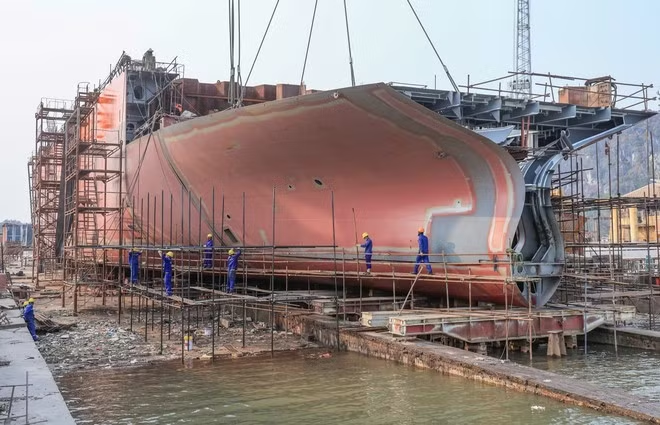
SBIC’s shipbuilders are now implementing the Politburo’s conclusions and the Government’s Resolution 220 on restructuring the shipbuilding industry, and they have urged the Government and relevant ministries to act decisively, introduce special mechanisms, and expedite measures to stabilise and develop the industry, Rung said.
To ensure the long-term sustainability of the shipbuilding industry, the State must support enterprises through international market downturns and develop enterprises with a mandate to spearhead and sustain maritime economic development, firmly linked to national defence and security, according to Pham Hoai Chung, Chairman of the SBIC Council of Members.
The State must regulate and support enterprises as shipbuilding is a core industry that generates millions of jobs nationwide, Chung said. Through Resolution 220/2023/NQ-CP, shipbuilding workers are anticipating fresh momentum as companies are finally “unshackled” from their debt burdens to help spur industry development, he said./.