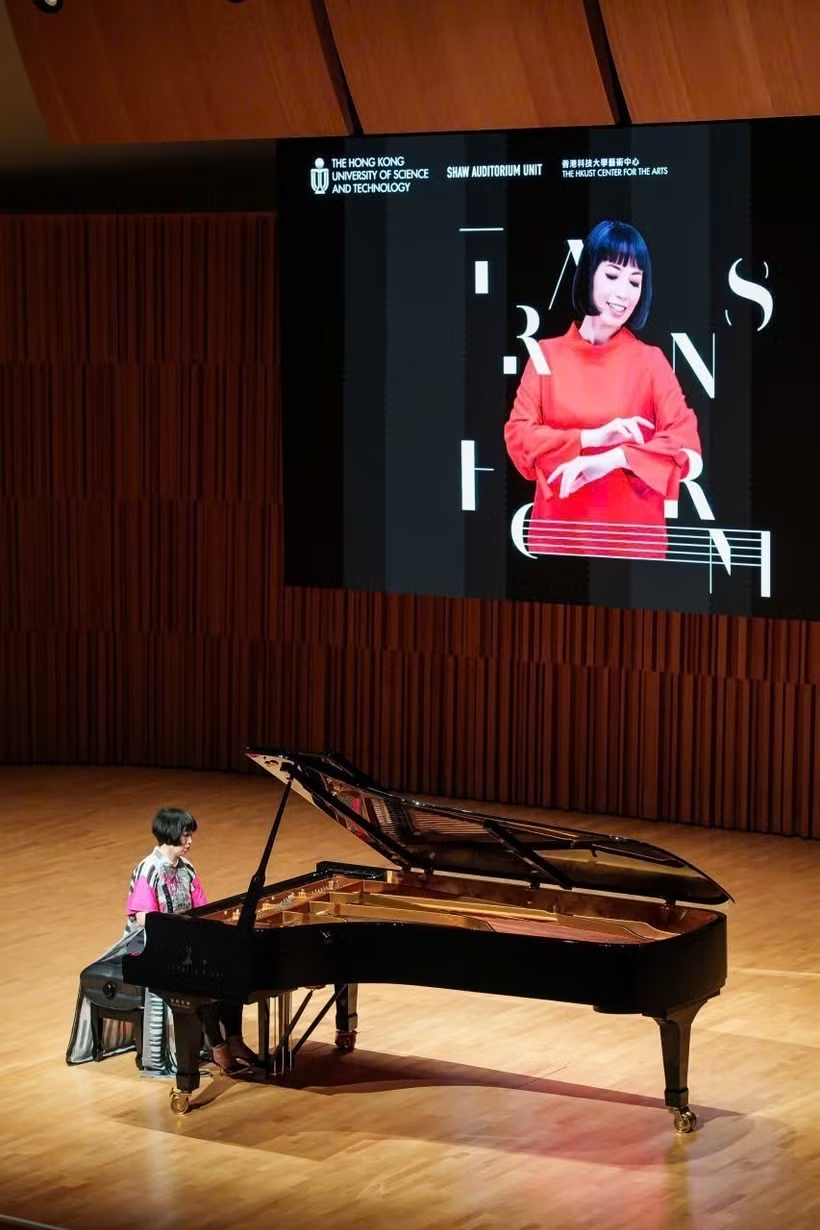
Hong Kong (VNA) – Pianist Bich Tra, known professionally as Tra Nguyen, has spent her career bringing Vietnamese musical influences to international audiences while nurturing music education at home and strengthening links between overseas Vietnamese artists and their homeland.
Ahead of Great National Unity Day (November 18) and Vietnam Culture Day (November 24), Bich Tra, who is now living in Hong Kong (China), shared her artistic journey and aspirations for Vietnam's cultural development.
The only daughter of music professor Nguyen Bich Ngoc and People's Artist Tra Giang, Bich Tra, made her debut at Hanoi Opera House at the age of 10, later performing in the UK, Japan and Hong Kong. She studied in Russia from the age of 14 before graduating from the Royal Academy of Music (RAM) in the UK in 1999.
She became the first Vietnamese pianist to sign a solo recording contract with Naxos, releasing three albums from late 2011. In 2002, she was named among Vietnam's 10 outstanding young people, and in 2013 became the first Vietnamese to receive the Associate of the Royal Academy of Music (ARAM) title.
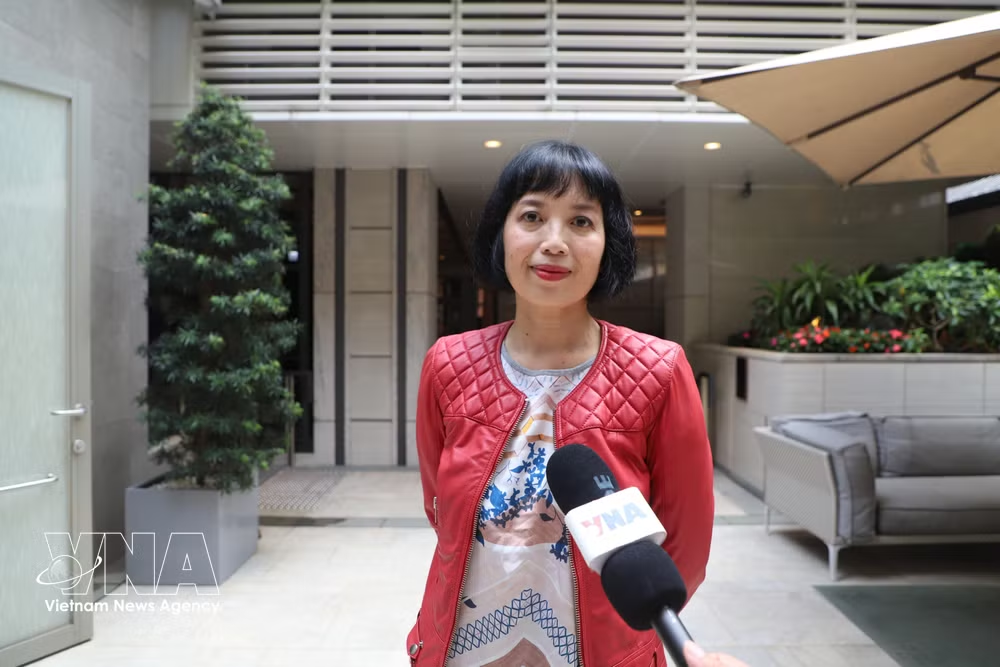
Despite her demanding international schedule, Bich Tra regularly returns to Vietnam to perform and teach at the Saigon Chamber Music summer camp for students of the Ho Chi Minh City Conservatory of Music.
She said her parents' pioneering careers in classical music and cinema had inspired her perseverance and determination. Classical music requires rigorous training, and overcoming its challenges had taught her to turn difficulties into motivation.
Having worked internationally for many years, she has witnessed Vietnam's image evolve beyond its association with war. She said she hopes the country will gain greater global recognition for its creative industries, particularly music, theatre, cinema and fashion.
Reflecting on Hong Kong, where is now lives and works after years in London, she sees it as a vibrant meeting point of Eastern and Western cultures and a promising hub for cultural exchanges with Vietnam. However, its internationally exposed audiences also demand high artistic standards.
Bich Tra places particular emphasis on public music education, arguing that a country must first build an audience capable of appreciating the arts if its domestic culture is to thrive and reach international stages.
While Vietnam has made progress in promoting music appreciation, its public music education system still lacks clear direction. Citing Japan, the Republic of Korea and Hong Kong, she said community centres could provide affordable music lessons, making instruments accessible beyond specialist schools and expensive private institutions.
She suggested that Vietnam make better use of children's cultural centres and local facilities, including electronic keyboards as a cost-effective alternative to acoustic pianos. Teaching basic music literacy and removing psychological barriers would help foster a broader love of music.
On overseas Vietnamese artists' contribution to national soft power and cultural industries, Bich Tra said many are eager to share their expertise with their homeland. She called for more systematic cooperation through annual joint teaching programmes, workshops and seminars with Vietnamese conservatories and major music institutions.
Such regular partnerships, she said, would help turn the knowledge and experience of overseas artists into practical contributions to Vietnam's cultural development./.