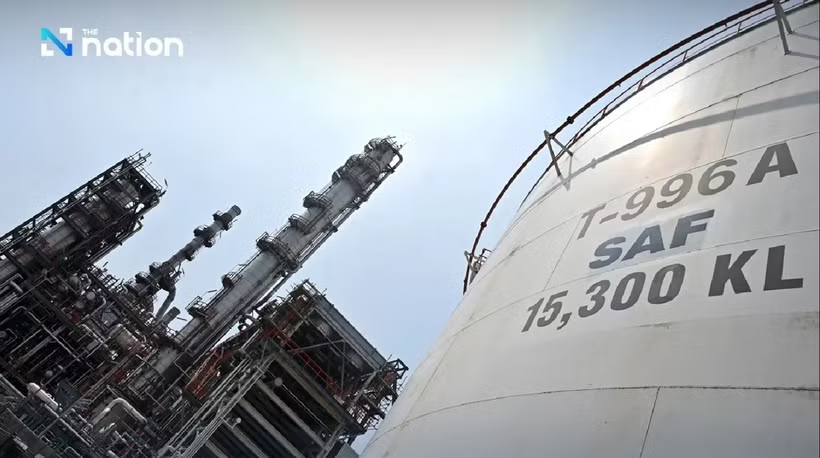
Bangkok (VNA) – The Thai government is preparing a second refinery-margin cut after margins spiked to an abnormal level, in a fresh push to bring down domestic fuel prices, according to Energy Minister Akanat Promphan.
Authorities are reviewing the cost structure, taking into account new factors such as war-risk insurance, transportation and coverage costs amid an increasingly complex geopolitical environment, Akanat said.
The latest move follows a price adjustment last month that cut fuel costs by about 2.14 THB (0.067 USD) per litre, Thailand plans to further reduce prices by more than 2 THB per litre later this week. However, the cuts will be implemented gradually due to financial pressure on the Thai Oil Fuel Fund, which has accumulated debts exceeding 60 billion THB after prolonged market stabilisation efforts.
Alongside pricing measures, Bangkok has stepped up enforcement against fuel smuggling. From February to April, authorities seized more than 335,000 litres of illegal fuel and uncovered violations involving 20 oil shipments, with estimated losses amounting to around 57 million litres.
Most violations involved disabling vessel identification systems and conducting illegal ship-to-ship oil transfers at sea. In a related development, Thailand’s Ministry of Foreign Affairs said a vessel operated by Siam Cement Group that had been stranded in the Strait of Hormuz has safely left the area following diplomatic coordination.
Meanwhile, in Singapore, rising energy prices are weighing heavily on the economy. A flash survey by the Singapore National Employers Federation found that 96% of businesses reported higher operating costs, with nearly one-fifth experiencing increases of over 25%.
Electricity and fuel costs were cited by 70% of respondents as the main drivers, followed by raw materials (59%) and air and sea freight (53%). Higher energy prices have also pushed up logistics costs, temporary labour expenses and input materials, particularly in service, retail, food and hospitality sectors.
Business sentiment has also weakened, with 39% of firms expecting conditions to deteriorate over the next six to 12 months, largely due to concerns over global trade disruptions and supply chain shifts. In response, Singaporean businesses have called on the government to introduce targeted support measures, prioritising tax cuts or financial assistance (83%), energy subsidies (77%) and a more gradual roadmap for labour policy adjustments (55%)./.