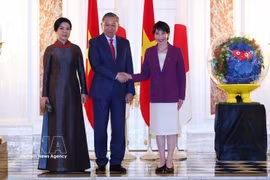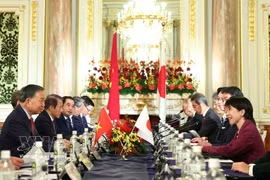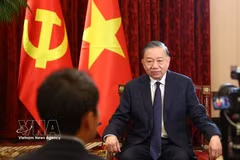
Hanoi (VNA) – Major Japanese news agencies, television broadcasters and newspapers on November 9 gave wide coverage of General Secretary of the Communist Party of Vietnam Central Committee and President To Lam’s official visit to Japan, highlighting his talks with Japanese Prime Minister Takaichi Sanae in Tokyo and his policy address to the Japanese Diet.
Reports by Kyodo News, Jiji Press, NHK, Nippon TV and Nikkei focused on Vietnam and Japan’s efforts to translate their Comprehensive Strategic Partnership into concrete cooperation programmes in critical minerals, energy, technology and security, while creating new business and trade opportunities for enterprises of both countries.
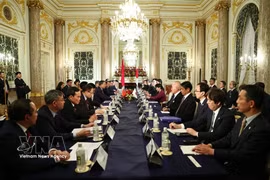
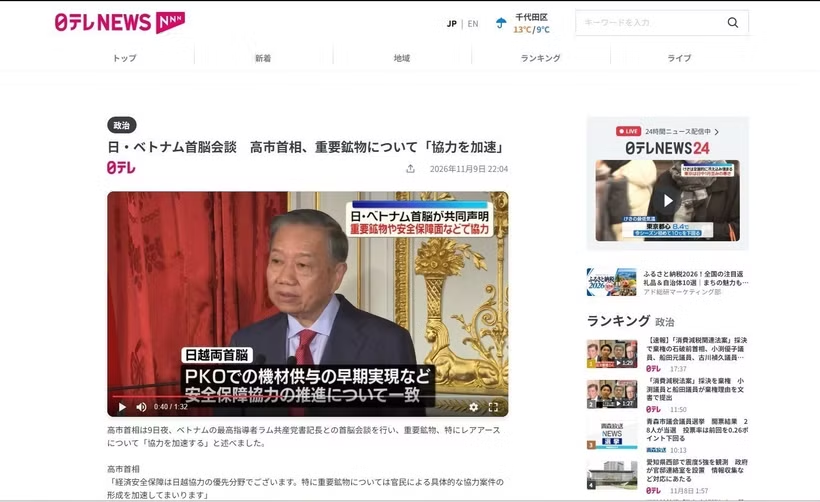
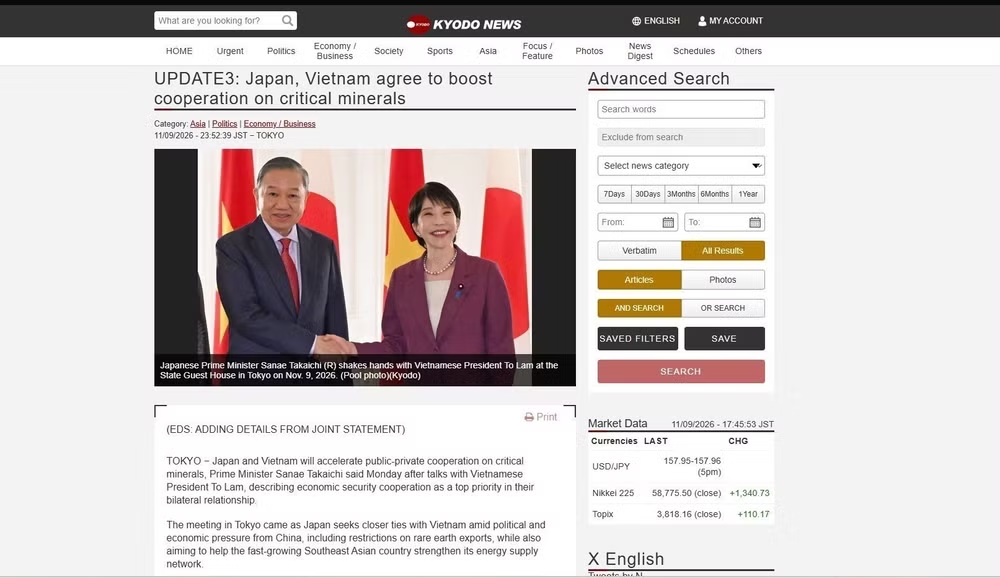
Kyodo News, Jiji Press and Nippon TV highlighted cooperation in critical minerals in their coverage of the talks between the Vietnamese leader and PM Takaichi. According to Kyodo, the two leaders identified economic security cooperation as a priority in their bilateral relationship and agreed to accelerate the development of specific projects involving both the public and private sectors.
Announcing the results of the talks, PM Takaichi expressed her belief that the visit will provide fresh momentum for robust growth in bilateral cooperation.
In the energy sector, Kyodo noted discussions on LNG-fired power projects backed by Japanese investment, with the two sides seeking ways to coordinate in soon bringing the projects into operation.
NHK reported that the two countries will cooperate to strengthen Vietnam's oil storage capacity through the POWERR Asia framework. According to Nikkei, Japan will work out specific forms of support in terms of technology, human resources training and finance. The newspaper also devoted a separate report to a memorandum of understanding on cooperation on small modular reactors (SMRs), an advanced nuclear technology that Vietnam plans to deploy from 2040 onwards. The two countries will cooperate in technology provision and personnel training necessary for the development of advanced reactors, including SMRs.
Jiji Press reported that Vietnam and Japan agreed to step up collaboration in artificial intelligence (AI) and semiconductors. Nippon TV quoted PM Takaichi as saying that Japan will contribute to Vietnam's goal of training 100 doctorate-level AI specialists by 2030.
Regarding security, NHK reported that the two leaders agreed to promote cooperation to uphold and strengthen a free and open international order based on the rule of law. Both sides consented to consider swiftly providing Vietnam with equipment for United Nations peacekeeping operations under Japan's Official Security Assistance programme.
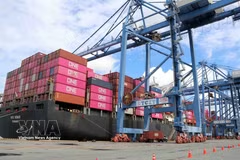
Japanese media also highlighted outcomes with direct benefits for people and businesses. Nippon TV reported that Vietnamese pomelos and Japanese grapes are expected to gain access to each other's markets from the next crop, creating new outlets for producers in both countries.
Another activity drawing considerable media attention was General Secretary and President Lam's policy address to the Japanese Diet on November 9. NHK quoted the Vietnamese leader as saying that Japan is Vietnam's largest provider of official development assistance (ODA), while two-way trade surpassed 50 billion USD for the first time in 2025.
He said Vietnam hopes to enter a new stage of development together with Japan, in which each country's achievements create new opportunities for the other and bring practical benefits to their people.
Highlighting the country's goal of becoming a high-income country by 2045, the top Vietnamese leader stressed the role of science and technology, innovation and digital transformation, affirming that Japan holds an important position in this process.
Kyodo also noted his appreciation of PM Takaichi's updated vision of a free and open Indo-Pacific announced in Hanoi last May. Vietnam wishes to strengthen coordination with Japan and ASEAN countries in addressing common challenges and maintaining regional peace and stability.
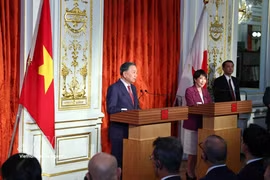
At a joint press conference, PM Takaichi expressed confidence that cooperation between the two countries would develop strongly, while General Secretary and President Lam said he was pleased to witness the growing partnership across multiple fields, the agency reported.
According to Jiji Press, PM Takaichi said the two sides will take bilateral relations to new level, while the Vietnamese leader described the two countries as partners who walk together, build the future together and benefit each other./.