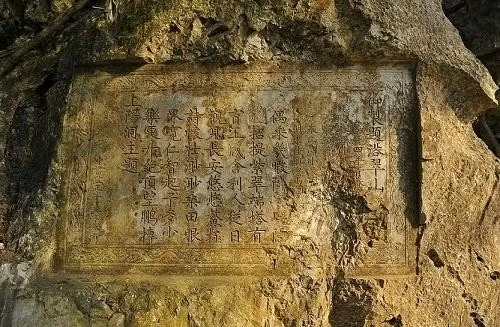
Hanoi (VNA) – Two Vietnamese documentary heritage collections, “The Cliff-based Inscriptions on Non Nuoc Mountain” in Ninh Binh province and Pho Hien stone steles in Hung Yen province, have been inscribed on on UNESCO's Memory of the World Regional Register for Asia and the Pacific, bringing the country's total number of UNESCO-recognised documentary heritage items to 13.
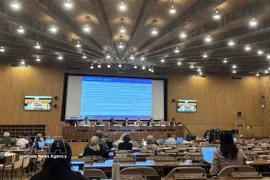
The recognition was announced at the 11th General Meeting of Asia-Pacific Regional Committee for UNESCO’s Memory of the World Programme (MOWCAP), held from November 2 to 6 in Jakarta, Indonesia. The committee unanimously approved the two Vietnamese nominations.
The recognition highlights the historical, cultural and documentary values of the two collections while acknowledging Vietnam's contributions to preserving and sharing the common heritage of the Asia-Pacific region as well as the world.
The two collections provide valuable evidence of Vietnam's long cultural history and its historical exchanges with other countries and cultures.
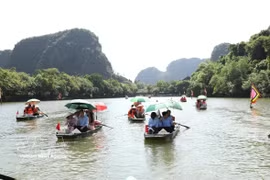
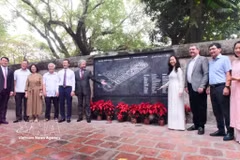
The Non Nuoc Mountain is currently home to 43 cliffside stone steles (known as ma nhai, or inscriptions carved directly onto natural rock surfaces) dating from the 14th to the 20th centuries. Written in Chinese characters, Nom (Vietnamese demotic script) and modern Vietnamese script, the inscriptions include poems, literary works, historical accounts and royal writings by monarchs, scholars, prominent figures and poets from different periods.
One of the most notable works is the inscription of Duc Thuy Son Linh Te Thap Ky (Record of Linh Te Pagoda on Duc Thuy Mountain), written by Truong Han Sieu and carved in 1343. The collection offers insights into the literary traditions, history and cultural life of Vietnam across several centuries.
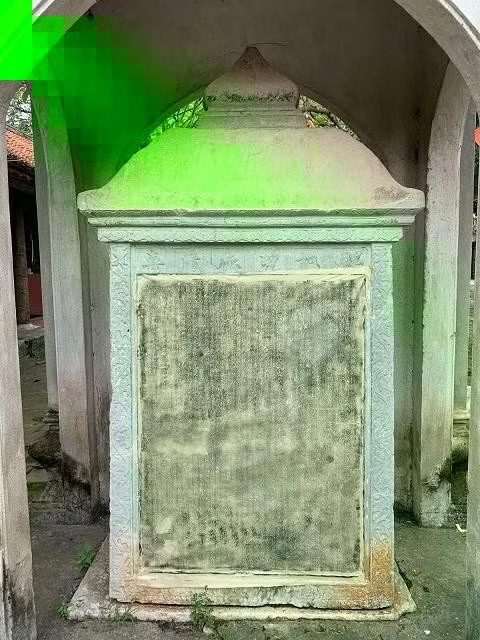
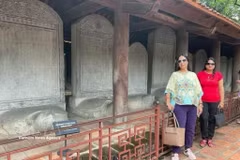
Meanwhile, the Pho Hien stone steles collection consists of 41 steles bearing inscriptions in Chinese and Nom scripts, dating from the 17th century to the early 20th century. They are preserved at historical sites within the special national relic complex of Pho Hien in Hung Yen province.
The steles are valuable original sources documenting the formation and development of Pho Hien, once an important international trading port in Vietnam and the regional trade network. They provide evidence of the port's commercial activities, social life and cultural exchanges, helping researchers better understand its role in the history of regional trade.
Together, the two collections enrich knowledge of the history and culture of the Asia-Pacific region. Their inscription on the register also highlights the importance of original documentary sources in historical research and in promoting understanding among different cultures.
The nomination process involved close coordination between the Ministry of Foreign Affairs, the Vietnam National Commission for UNESCO and the two localities. The agencies provided professional support, connected local experts with UNESCO and MOWCAP specialists, and helped strengthen the scientific basis and documentation of the nominations.
Through diplomatic channels in Paris and across the region, Vietnam also promoted the two nominations and mobilised international support. The process demonstrated the effectiveness of combining professional heritage conservation with cultural diplomacy, bringing together central and local authorities, researchers and international partners.
Deputy Minister of Foreign Affairs Ngo Le Van, who is also Chairman of the Vietnam National Commission for UNESCO, underscored the important role of the Memory of the World Programme in protecting and promoting global cultural and historical values.
He praised the effective coordination among relevant agencies and domestic and international experts, particularly the sustained efforts of generations of local leaders and residents in Ninh Binh and Hung Yen to safeguard the heritage.
He affirmed that the Ministry of Foreign Affairs and the commission will continue working with ministries, sectors and localities to preserve and promote the newly recognised collections, strengthen cooperation with UNESCO and international partners, and mobilise resources to further promote their values through external relations activities.
With the two new inscriptions, Vietnam now has 13 documentary heritage items recognised under UNESCO's Memory of the World Programme, including four on the international register and nine on the Asia-Pacific regional register.
The achievement reflects the diversity of Vietnam's documentary heritage and the country's growing efforts to preserve and promote its historical and cultural assets. It also highlights Vietnam's increasingly active and responsible role in international cultural cooperation.
As Vietnam advances cultural development, international integration and its national soft power, the recognition further demonstrates that heritage is not only an important resource for domestic development but also a bridge for dialogue, cooperation and mutual understanding among nations.
The 11th General Meeting of MOWCAP brought together representatives from 40 of the committee's 43 member countries. Held every two years, the meeting reviewed MOWCAP projects, heard reports from national Memory of the World committees and considered 24 nominations for inscription on the Asia-Pacific Regional Register./.