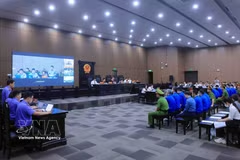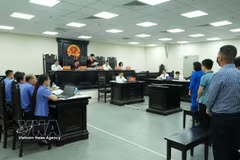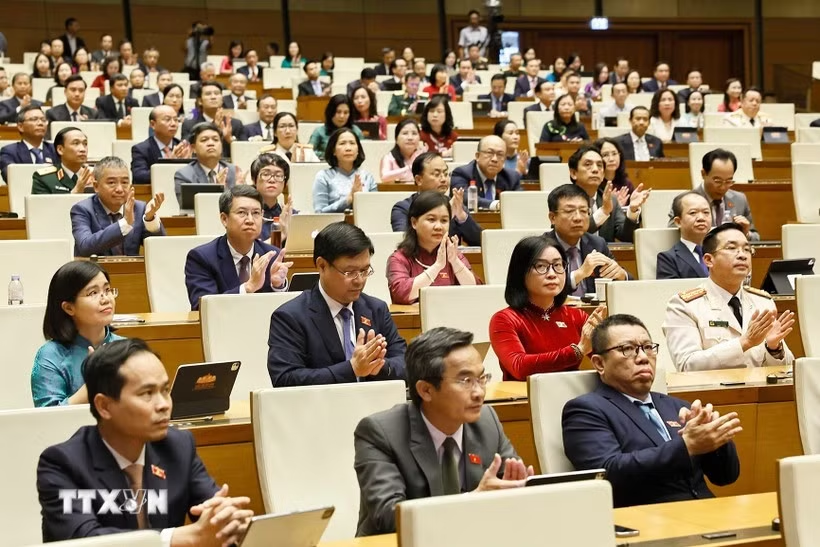
Hanoi (VNA) – The 16th National Assembly on August 24 approved a resolution on the investment policy for a national target programme on cultural and social development, rural areas, ethnic minority and mountainous areas for 2026-2035, with total resources of more than 808 trillion VND (31.1 billion USD) earmarked for its first five years.
The resolution was approved by 477 out of 478 participating deputies.
The programme consolidates four national target programmes: one on cultural development for 2025-2035, one on modernising and improving the quality of education and training for 2026-2035, one on new-style rural area building, sustainable poverty reduction, and socio-economic development in ethnic minority and mountainous areas for 2026-2035, and the other on healthcare, population and development for 2026-2035.
The integrated programme aims to develop modern, prosperous and sustainable new-style rural areas with distinctive cultural identities, linked with urbanisation and climate change adaptation. The campaign will also promote comprehensive development in ethnic minority and mountainous areas, and achieve inclusive and sustainable poverty reduction, gender equality and social welfare.
It also seeks to develop a green, circular, and ecological rural economy linked to agricultural restructuring, to improve incomes and living standards, and to narrow development gaps among regions and population groups, particularly between ethnic minority and mountainous areas and other parts of the country.
Other goals include preserving and promoting the cultural identities of ethnic minority communities, strengthening their confidence in Party and State policies, consolidating great national unity, and ensuring national defence, security and social order, particularly in strategic areas, border areas and islands.
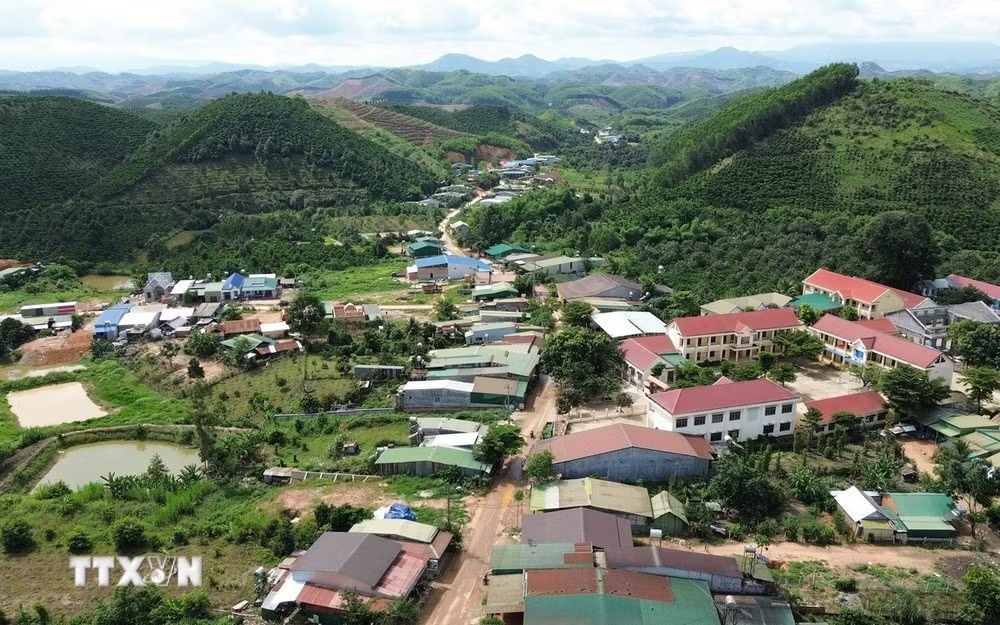
By 2030, the programme targets increasing average rural incomes by 2.5-3 times as compared with 2020, while average incomes of ethnic minority people are expected to reach half the national average.
The multidimensional poverty rate nationwide is expected to decline by 1-1.5 percentage points annually, while the rate in ethnic minority and mountainous areas is targeted at below 10%. These areas are also expected to have no extremely disadvantaged communes or villages.
In cultural preservation and development, the programme aims for cultural industries to contribute 7% of national GDP. Each year, Vietnam is expected to officially participate in at least five major international cultural and arts events overseas.
In education, the programme seeks to modernise and improve the quality of education and training, standardise and modernise the education system, and bring about a fundamental improvement in educational quality. This is intended to better meet demand for high-quality human resources amid globalisation and rapid advances in science and technology, innovation and digital transformation.
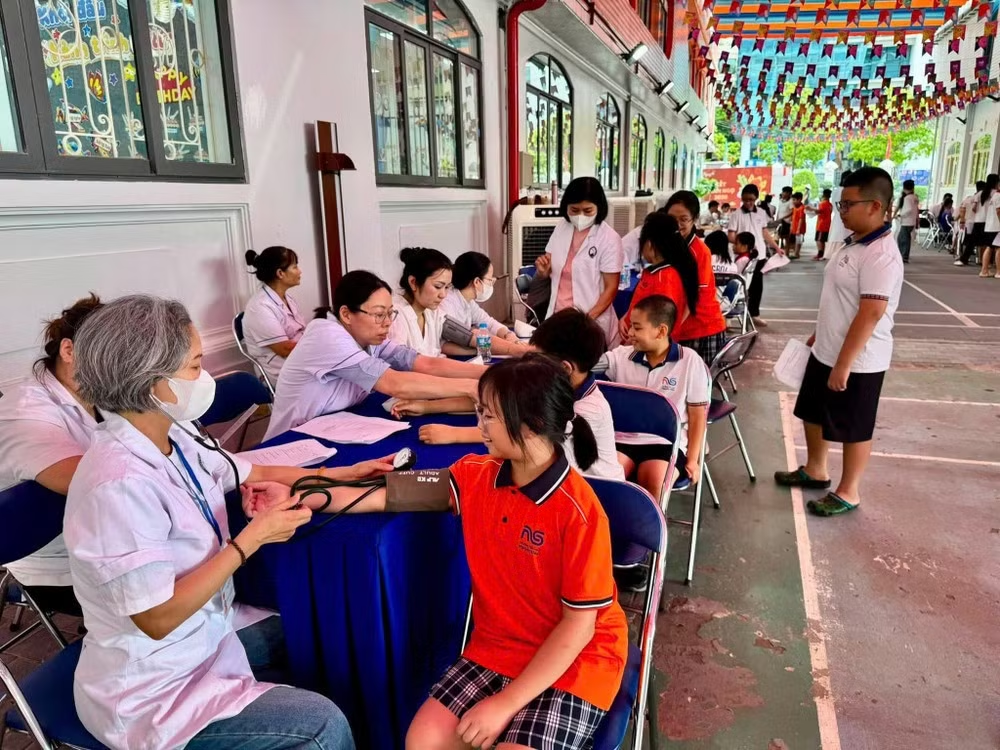
In healthcare and population development, the programme aims to ensure that all people have access to primary healthcare management and services, with disease prevention provided early and at grassroots level. It also targets increasing the birth rate, achieving a balanced sex ratio at birth, adapting to population ageing, improving population quality, and strengthening care for vulnerable groups.
The programme will be implemented nationwide, with priority given to extremely disadvantaged villages, ethnic minority and mountainous areas, revolutionary bases, border and island areas, and regions facing difficult or extremely difficult socio-economic conditions. Cultural development activities for Vietnamese communities overseas may also be carried out in countries with long-standing cultural ties with Vietnam and large Vietnamese communities.
The resolution sets total resources for the programme at 808 trillion VND for 2026-2030. Of this, the central budget will provide 345 trillion VND, including 244.2 trillion VND in public investment capital and 100.8 trillion VND in recurrent expenditure.
Local budgets will contribute 395.39 trillion VND, with provincial-level People's Councils allocating between public investment and recurrent expenditure. A further 23 trillion VND will be provided through the State budget policy credit, while higher education institutions will contribute 20.43 trillion VND. Other legally mobilised sources are expected to provide 24.74 trillion VND.
The Government will review and adjust the structure of central budget funding to ensure concentrated public investment, avoid scattered allocation and strictly save recurrent expenditure./.