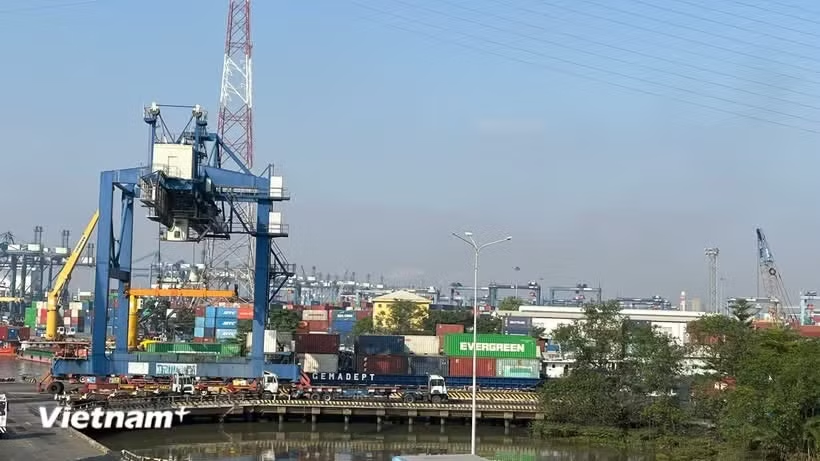
Hanoi (VNA) - Bilateral trade has amounted to 383.8 billion USD after six years of implementing the EU-Vietnam Free Trade Agreement (EVFTA), accounting for 42.6% of total Vietnam-EU trade over the past three decades.
Vietnam and the EU established diplomatic relations in January 1995. From then through June 2026, bilateral trade exceeded 900 billion USD, with nearly half of the total recorded since the EVFTA took effect on August 1, 2020, according to the Department of Customs and the National Statistics Office (NSO).
Bruno Jaspaert, Chairman of the European Chamber of Commerce in Vietnam (EuroCham), said the figures showed that the EVFTA had evolved from an ambitious political commitment into an agreement with measurable economic impact. It has reshaped trade flows, strengthened business confidence and made Vietnam a key economic anchor for European businesses in Asia.

In the 7th year of implementation, the EU is completing its trade liberalisation roadmap under the agreement, bringing 99% of Vietnamese exports into duty-free access to the EU market. Currently, about 80% of Vietnamese goods entering the EU benefit from preferential tariffs.
Vietnam, meanwhile, will continue reducing tariffs on EU goods over the next four years, completing its commitments in 2030, marking 10 years since the EVFTA took effect.
In the first half of 2026, bilateral trade reached 41.4 billion USD, including 31.8 billion USD worth of Vietnamese exports and 9.7 billion USD in imports. Vietnam posted a trade surplus of 22 billion USD with the EU in the period, higher than the full-year surplus of 21.7 billion USD recorded in 2019.
EuroCham Vice Chairman Jean-Jacques Bouflet, a former member of the EU delegation that negotiated the EVFTA, said the agreement had established a deeply complementary economic ecosystem between the two sides.
He encouraged Vietnam to increase imports of high-value European technology solutions to support industrial modernisation and strengthen its capacity to master manufacturing value chains.
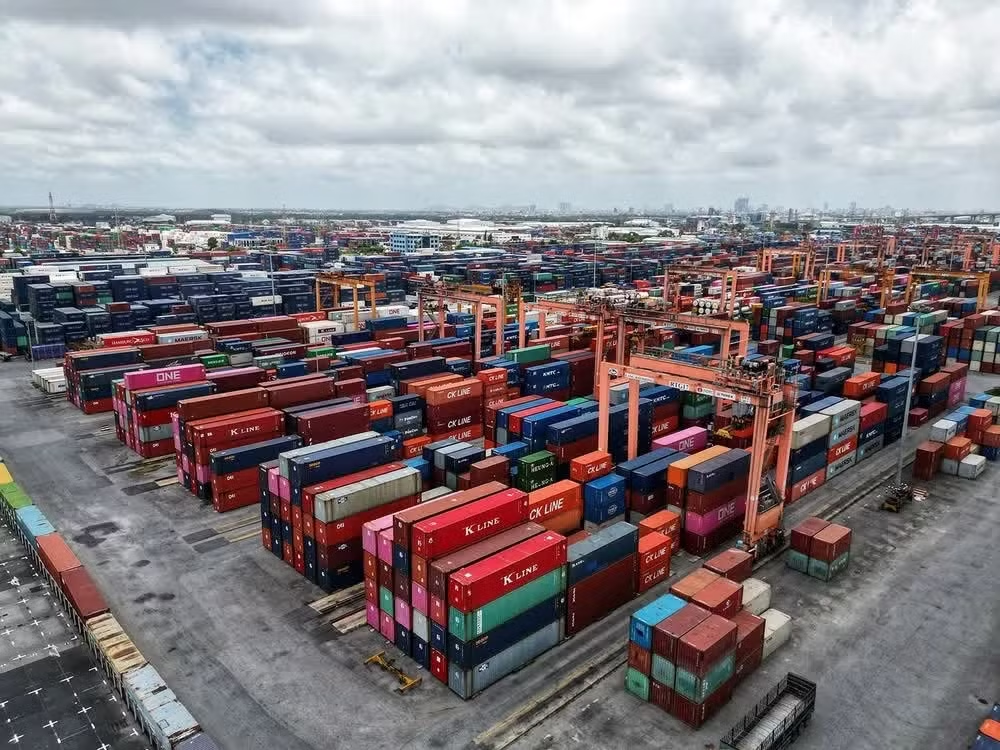
Addressing technical barriers
The EVFTA's impact is also reflected in the strategies of European businesses operating in Vietnam. According to the EuroCham Business Confidence Index (BCI) for the second quarter of 2026, 55% of surveyed European businesses identified Vietnam as a core operations hub or key growth market, while another 22% considered it an important part of their regional networks.
Among European businesses in Vietnam engaged in bilateral trade, half directly benefit from the EVFTA’s tariff preferences. Of these, 33% apply preferential tariffs to at least one-fifth of their total trade value, while nearly 20% apply them to more than half of their trade flows. Notably, 66% reported measurable financial savings, with most recording savings of 5–15%, while 11% reported savings of more than 30%.
However, the report noted that as tariff barriers are gradually removed, administrative complexity and compliance costs have emerged as major obstacles.
Among businesses facing difficulties in using the agreement, 50% cited domestic tax administration, complex tax procedures and delays in VAT refunds. Another 33% pointed to the complexity of Rules of Origin (RoO), Certificate of Origin (C/O) procedures and differing verification requirements across jurisdictions. For the remaining 17%, compliance costs remained too high compared with the marginal tax savings available.
A EuroCham representative said the chamber has actively contributed, and will continue to contribute, to public-private dialogues through evidence-based policy advocacy to help businesses operate more effectively within the relevant regulatory frameworks.
Jaspaert said that following the elevation of EU-Vietnam relations to a Comprehensive Strategic Partnership in January 2026, the EVFTA provides a firm foundation for a new era of economic diplomacy. The agreement's legacy is measured not only by trade value but also by the precedents it has established./.