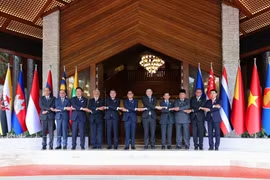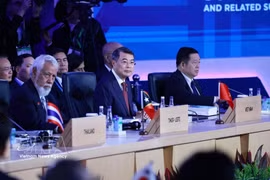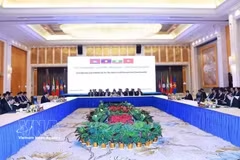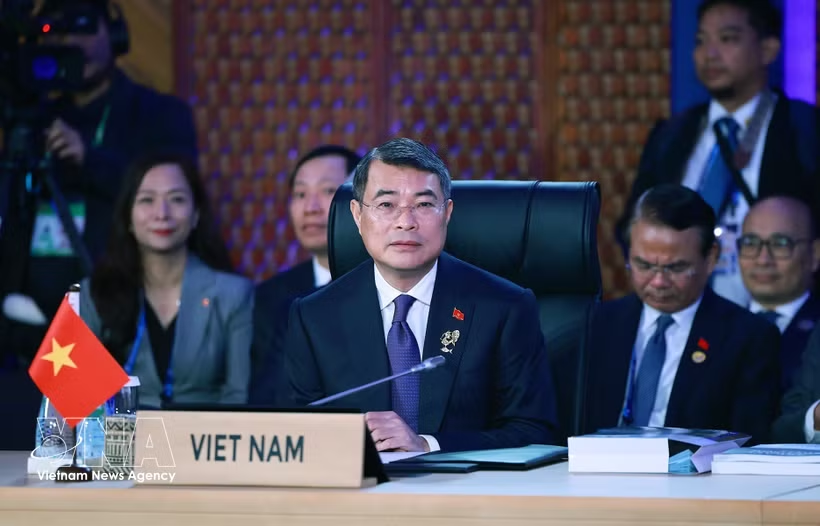
Kuala Lumpur (VNA) – Vietnamese Prime Minister Le Minh Hung's address at the plenary session of the 49th ASEAN Summit in Manila, the Philippines, on November 15 outlined a comprehensive vision for strengthening ASEAN's resilience amid growing regional and global uncertainties, according to Malaysian geopolitical analyst and defence researcher Enzo Sim.
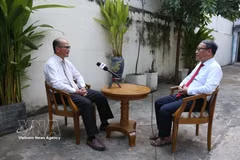
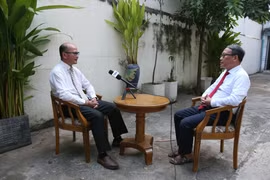
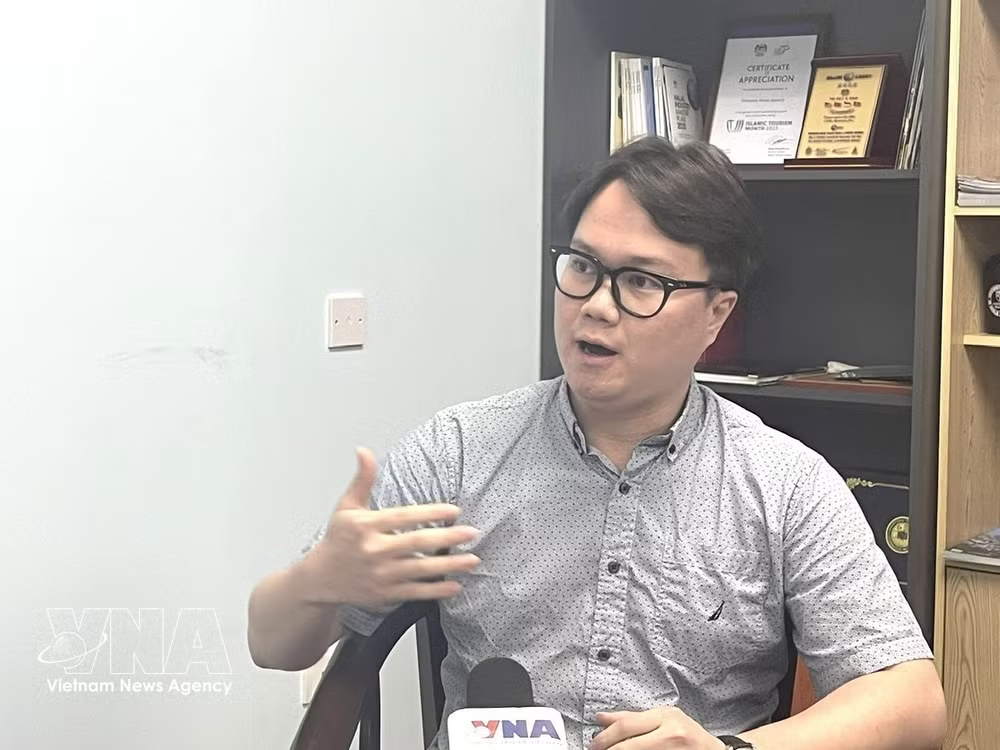
In an interview with the Vietnam News Agency's correspondent in Kuala Lumpur, Sim said the address was particularly significant as ASEAN had begun implementing the ASEAN Community Vision 2045. He noted that Vietnam has connected the bloc's traditional diplomatic principles with practical measures to strengthen economic resilience, advance technology and reinforce multilateral institutions.
He identified three major challenges facing ASEAN: intensifying major-power competition; growing economic vulnerability to external shocks such as trade tensions, supply chain disruptions, and energy insecurity; and rising expectations from the international community and people for delivering tangible results rather than political declarations.
Against this backdrop, he said, the Vietnamese leader's message presented three key pillars for regional cooperation.
Under the first pillar, Vietnam emphasised that a peaceful and stable environment is essential for economic development. PM Hung called for stronger diplomatic dialogue, trust-building, defence and security cooperation, and respect for international law.
Vietnam also proposed improving the effectiveness of the ASEAN Legal Experts' Forum on Public International Law and establishing clear procedures for information sharing and coordinated responses to emergencies.
Enzo Sim said these proposals reflected Vietnam's consistent preference for addressing differences through multilateral diplomacy and existing legal frameworks rather than military confrontation. Practical crisis-response mechanisms would also help ASEAN overcome differences in national priorities.
The second pillar focuses on strengthening economic resilience and strategic connectivity. Rather than focusing solely on trade liberalisation and market opening as in the past, Vietnam has shifted its focus towards building resilience in foundational systems, including energy infrastructure, technological capabilities and supply chain security.
Vietnam called for effective implementation of the ASEAN Digital Economy Framework Agreement (DEFA) and reaffirmed its readiness to contribute to the ASEAN Power Grid and the Manila Energy Initiative.
The Malaysian researcher particularly highlighted the unique “Space for Development and Resilience” initiative proposed by Vietnam, which seeks to promote satellite data sharing, space research, training and investment in the space economy.
Vietnam also proposed developing a list of priority ASEAN strategic infrastructure projects towards 2040. According to the analyst, these initiatives could support weather forecasting, disaster management and maritime surveillance while opening up opportunities in higher-value economic sectors.
The third pillar highlights human resources and social development as foundations for regional integration.
The Vietnamese PM stressed investment in high-quality human resources, digital skills training, expanded social protection and more flexible labour mobility.
Vietnam also pledges to work with Indonesia, Thailand and other ASEAN members to accelerate the effective operation of the ASEAN Centre for Public Health Emergencies and Emerging Diseases (ACPHEED).
In addition, Vietnam encourages cultural cooperation and the development of creative industries in connection with the UN International Decade of Culture for Sustainable Development.
Enzo Sim said economic growth alone could not ensure sustainable development without social equity and public welfare. Investment in people and health security would strengthen public confidence in regional integration.
Assessing the broader foreign policy implications, he identified three features of Vietnam's approach: maintaining ASEAN's central role in maintaining strategic autonomy and balance ties with major powers, moving from implementing regional commitments towards actively shaping the ASEAN agenda, and aligning national development priorities with the bloc's common interests.
He noted that Vietnam's initiatives in space cooperation, emergency response, infrastructure connectivity and digital transformation demonstrated its willingness to take a more proactive role in regional affairs.
He said the PM's address had offered a practical roadmap for a more resilient ASEAN, although its success would ultimately depend on the political commitment of all member states and their ability to translate pledges into concrete action./.