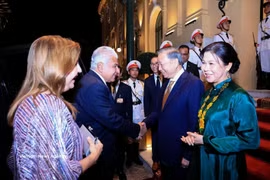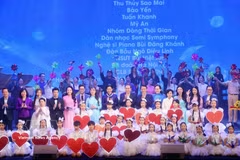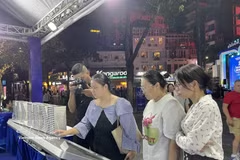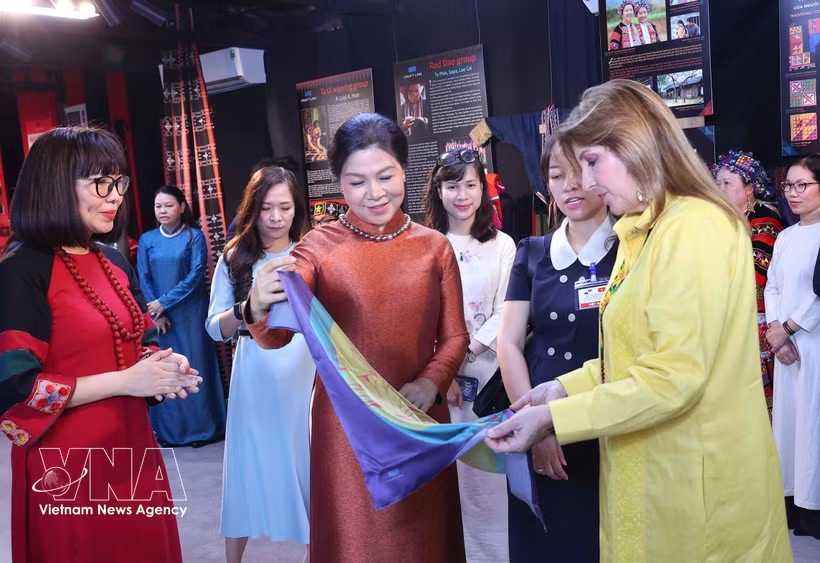
Hanoi (VNA) – Madame Ngo Phuong Ly, spouse of General Secretary of the Communist Party of Vietnam Central Committee and President To Lam, and Madame Maricel Cohen de Mulino, spouse of Panamanian President José Raúl Mulino, attended a cultural event showcasing Vietnam's ethnic minority groups at Van Lake, part of the Temple of Literature complex in Hanoi on October 6.
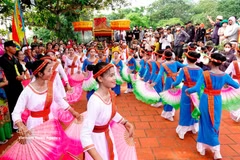
The two ladies were briefed on the cultural diversity of Vietnam's ethnic groups and shown traditional costumes, along with weaving, embroidery and pattern-making techniques preserved and handed down through generations. The materials, colours and patterns of the costumes reflect aesthetic values as well as stories of history, customs, traditions and the distinct identity of each community.
They met artisans and learned about several stages of making traditional handicrafts of the Ta Oi, Red Dao and Blue Hmong peoples, among others. They also watched demonstrations of indigo dyeing and making fabrics with beeswax-painted patterns, and heard about the meanings behind the motifs.
Madame Ly said she is proud to introduce her guest to the naturally sourced patterns, weaving materials and dyes used by Vietnam's ethnic communities.
Preserving heritage is not only about safeguarding artifacts and techniques from the past, but more importantly about creating conditions for those traditions to be practiced, developed and adapted to contemporary life, she said.
Supporting traditional handicraft groups, particularly ethnic minority women, people living in poverty and those with disabilities in remote and disadvantaged areas, helps create jobs and raise incomes. More fundamentally, it helps them revive crafts at risk of disappearing, such as brocade weaving, pottery, basketry and wood carving. It also supports them in designing products suited to modern markets, building management skills and taking their goods to international markets, and it encourages younger generations to keep learning and upholding the crafts, she said.
The Panamanian First Lady said she is delighted and particularly struck to see familiar patterns on Panamanian costumes in Vietnam. Although the two countries sit on different continents, tens of thousands of km apart, she noted similarities between the culture of Panama's indigenous communities, including the Mola art of the Guna people, and the use of colours, patterns and techniques in the traditional costumes of Vietnam's Mong, Dao and Thai people.
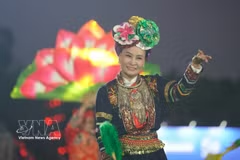
The two later sat down for tea, watched an "ao dai" (traditional long dress) show and exchanged views on the role of women in modern life, and culture in building community bonds and raising understanding among peoples.
At the close of the event, the guest said she is impressed by the richness of Vietnam's ethnic cultures and the efforts to keep traditional values alive in modern life. The host voiced her hope that Vietnam and Panama will hold more cultural and people-to-people exchanges, contributing to greater mutual understanding and friendship between their people./.