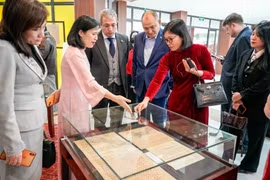
Hanoi (VNA) – For the first time, a dedicated exhibition space showcasing Vietnam’s world documentary heritage and outstanding national archival materials has been unveiled in Hanoi, offering both domestic and international visitors a rare and immersive encounter with the nation’s historical legacy.
More than a conventional display, the initiative provides a vivid and accessible overview of documentary heritage, enabling visitors not only to observe but also to explore, research, and interact with original archival materials through multimedia experiences.
The exhibition marks the beginning of a broader effort to breathe new life into archival heritage, laying the groundwork for a “living history classroom” in the years ahead.
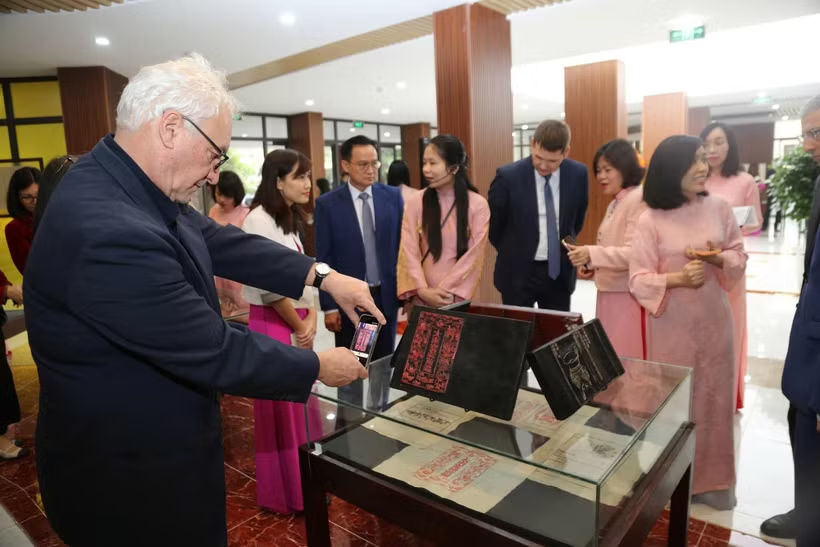
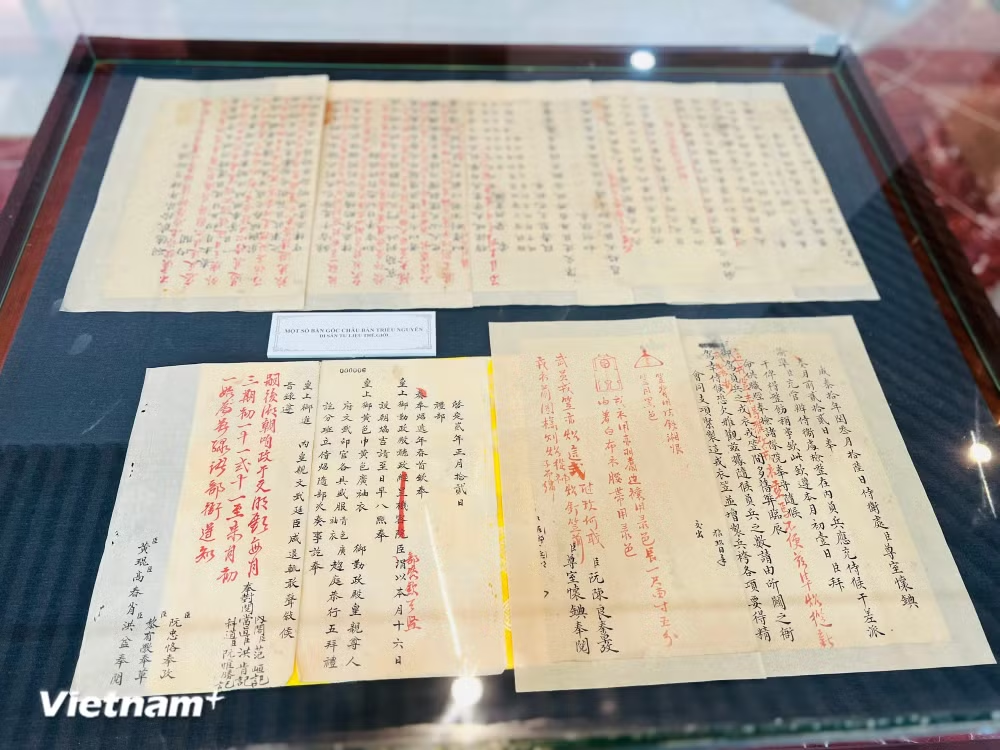
According to Nguyen Thu Hoai, Deputy Director of National Archives Centre No. 1, this is perhaps the first time such a comprehensive space has brought together exemplary documents. This includes two UNESCO-recognised heritage collections managed by the State Records and Archives Department, namely Moc Ban (woodblocks) and Chau Ban (administrative documents) under the Nguyen Dynasty (1802-1945).

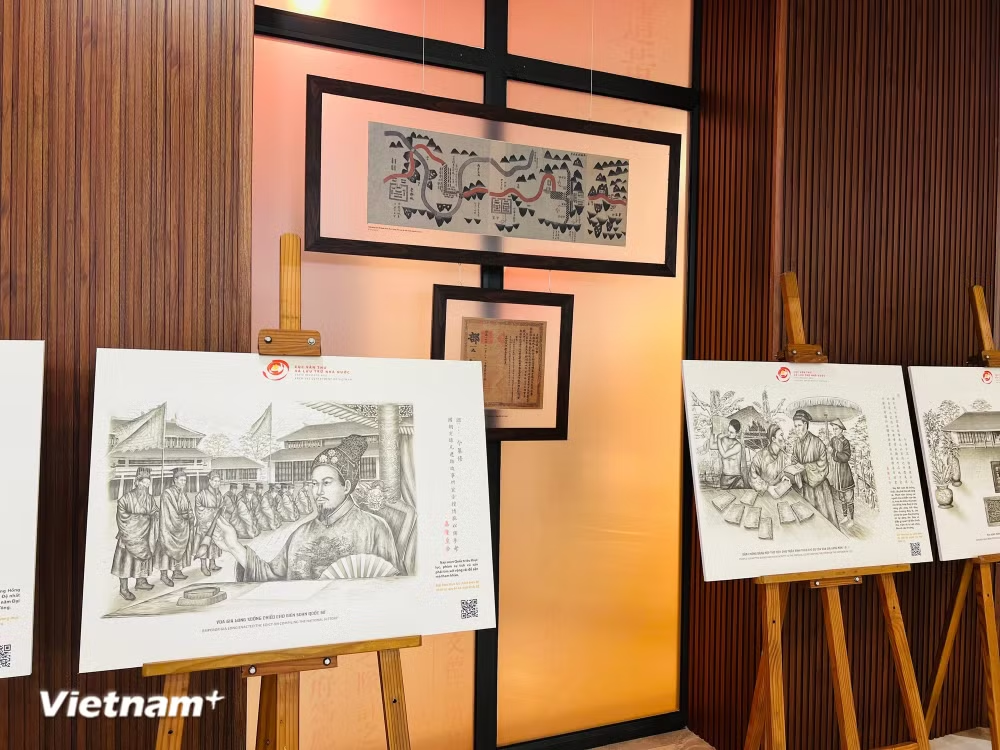
Among the highlights are numerous original materials now accessible to the public for the first time. These include imperial administrative records bearing handwritten annotations by Nguyen Kings, alongside rare woodblocks and key archival documents related to Vietnam’s national symbols – the flag, anthem, emblem, and historic constitutions in 1946, 1959, and 1980.
The Chau Ban consists of official administrative records from the Nguyen dynasty, each bearing the handwritten approvals of the kings. Surviving documents preserve the scripts of ten Nguyen rulers.
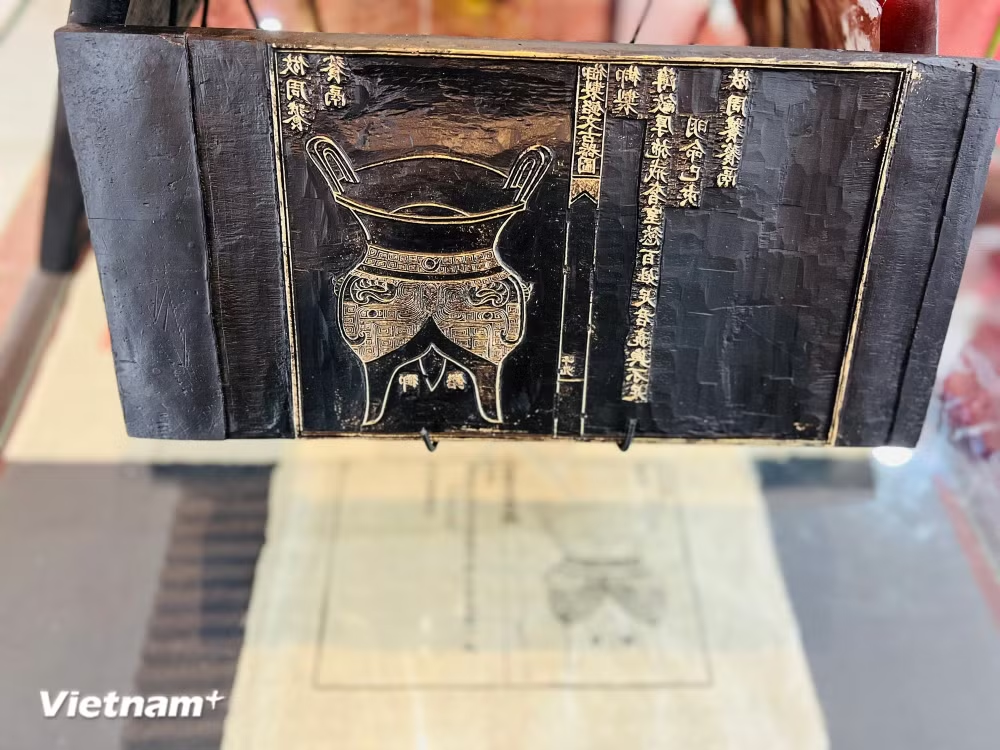
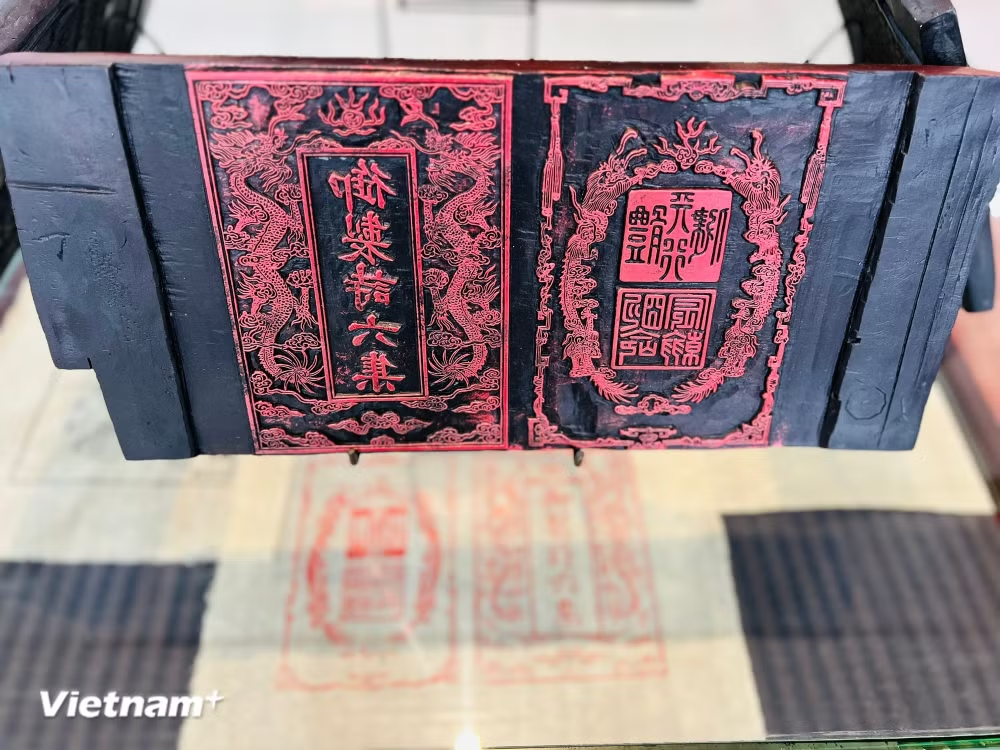
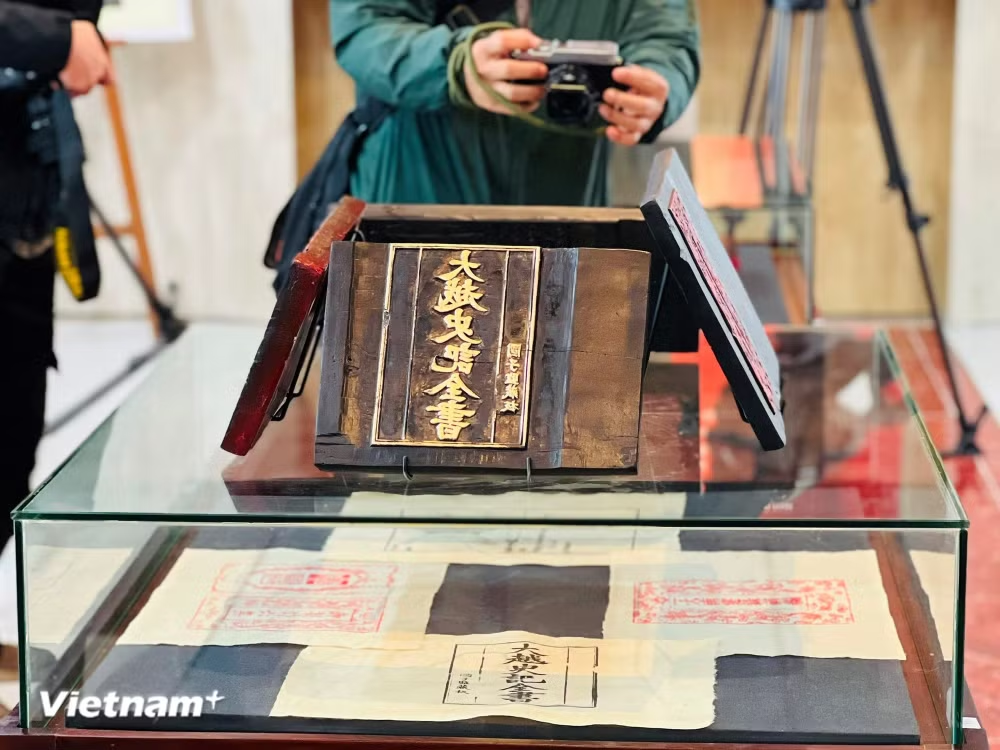
Notably, this is also the first occasion on which the woodblocks, curated by National Archives Centre No. 4, have been publicly introduced on such a scale. Among them are intricately carved printing blocks for the covers of seminal historical works. Visitors can also view the woodblock of the edict on the transfer of the capital by Ly Cong Uan, composed in 1010.
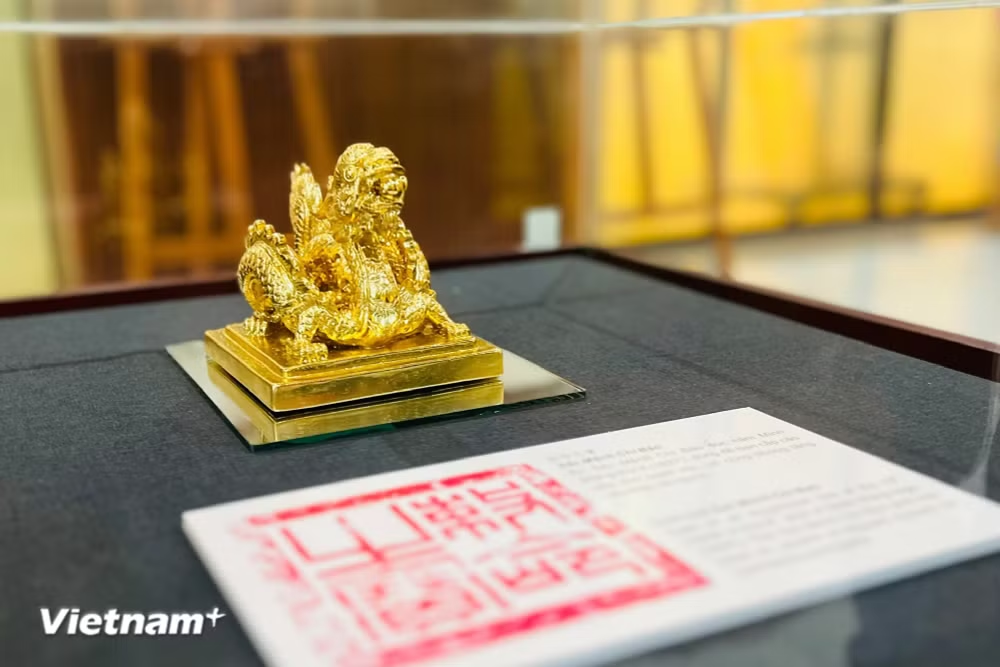
Particularly significant is a woodblock recording the 1804 decree by King Gia Long to adopt the national name “Vietnam”- a milestone in the country’s history. The exhibition also features replicas of Nguyen dynasty gold seals, including a reproduction of the “Sac Menh Chi Bao” seal from the reign of King Minh Mang, based on the original 10kg gold artefact preserved at the Vietnam National Museum of History.
A “living” history lesson
Hoai said until now, public access to such materials has largely been limited to reproductions, owing to strict regulations governing archival preservation. While some researchers have been able to consult documents in reading rooms, widespread digitisation efforts, aimed at protecting fragile originals, have further restricted direct access.
Against this backdrop, the opportunity for the public to view original documents firsthand carries particular significance, especially for younger generations.
“This is also a way for us to teach history to future generations,” Hoai noted. “It helps students develop a deeper appreciation for their homeland, while gaining a clearer understanding of the archival wealth and historical values passed down by previous generations.”
Looking ahead, the State Records and Archives Department plans to roll out a comprehensive programme of regular exhibitions and public engagement activities. Its headquarters at 12 Dao Tan street in Hanoi is expected to become a cultural destination, where visitors, particularly young people, can access a diverse range of rare documents and archival heritage from across the national system./.