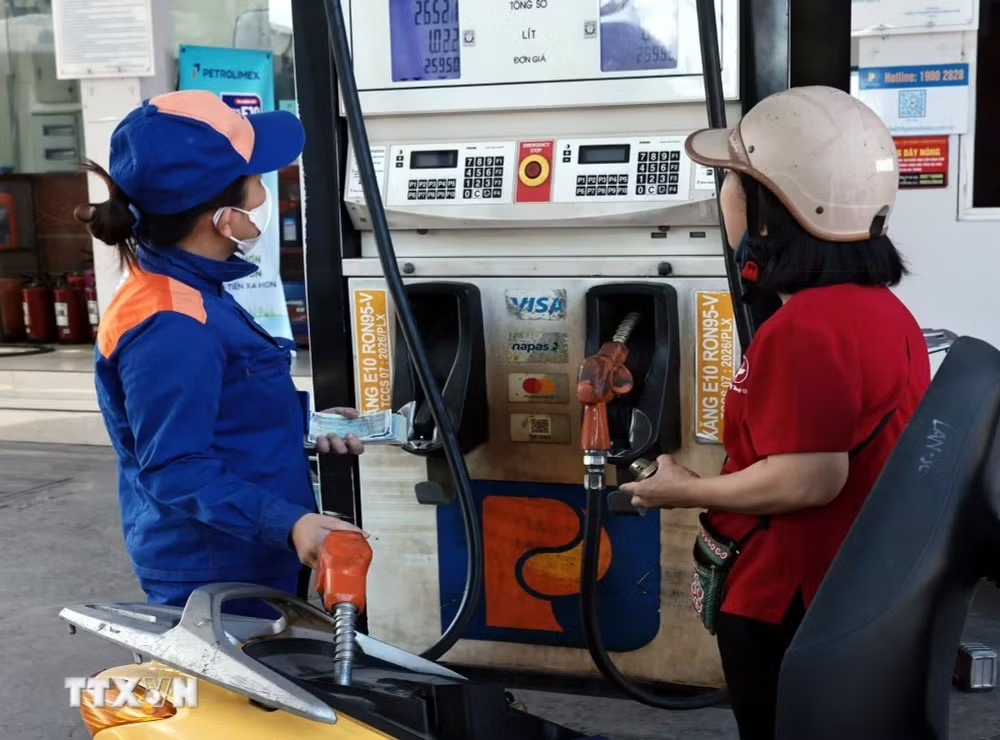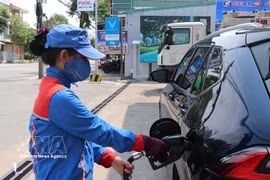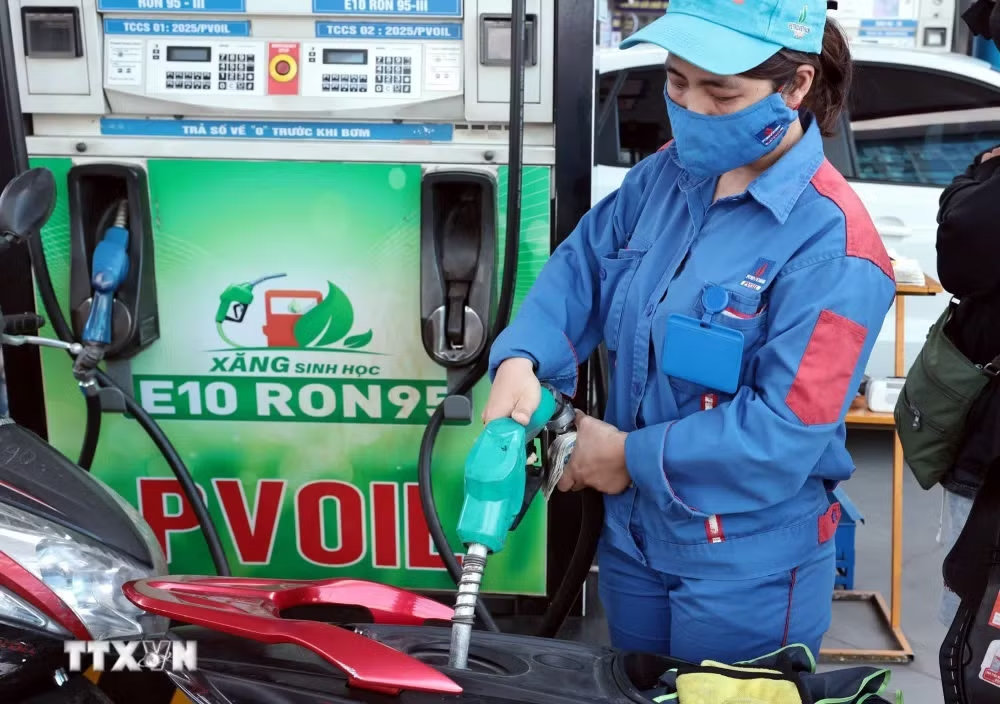
Hanoi (VNA) - From June 1, 2026, E10 petrol has officially been rolled out nationwide, marking a significant shift in energy consumption while supporting Vietnam’s broader goals of strengthening energy security, achieving net-zero emissions by 2050 and creating sustainable livelihoods for millions of farmers.
Strengthening energy security while supporting agriculture
Vietnam currently imports around 40–50% of its refined petroleum products and crude oil requirements each year, leaving the country exposed to fluctuations in global prices and geopolitical developments. Against this backdrop, replacing petrol with domestically produced ethanol can help reduce dependence on imported fossil fuels and diversify the national energy supply.
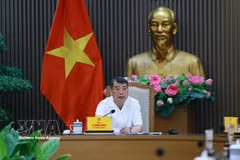
Deputy Minister of Industry and Trade Nguyen Sinh Nhat Tan said increasing the use of biofuels would help reduce reliance on imported fossil fuels, diversify energy sources and strengthen national energy self-reliance.
Ethanol for fuel production in Vietnam is mainly made from cassava. The country has around 500,000 hectares of cassava plantations, concentrated in the northwest, north-central region, Central Highlands and southeastern region. A nationwide E10 market is therefore expected to create a stable outlet for cassava producers, revitalise ethanol plants and generate employment in rural areas.
This approach mirrors international experience. Countries including the US, Brazil, Thailand, Australia and several European and Asian nations have promoted ethanol-blended petrol as a way to combine energy security with agricultural development and the green transition.
An immediate tool for cutting emissions
At COP26 in Glasgow in November 2021, Vietnam committed to achieving net-zero emissions by 2050. Road transport is one of the major sources of greenhouse gas emissions, but the electrification of transport will take time, requiring charging infrastructure, urban planning adjustments and gradual replacement of existing vehicles.
E10 offers a practical solution during this transition because it can be used by most vehicles already on the road, without waiting for the fleet to be replaced by electric vehicles.
The need for cleaner fuels has become increasingly urgent as prolonged air pollution episodes have affected Hanoi, Ho Chi Minh City and other major urban areas. Frequent spikes in PM2.5 levels have made air pollution not only an environmental concern but also an issue affecting public health, quality of life and economic competitiveness.
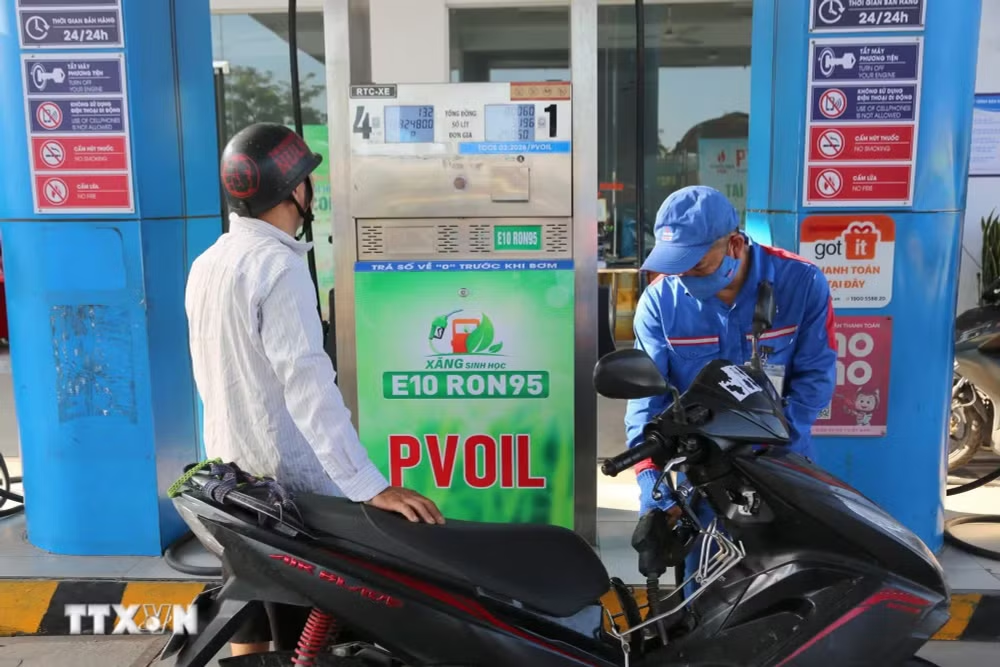
As major cities prepare for stricter vehicle-emission controls from 2027, expanding access to high-quality fuels, E10 and other green energy solutions will be an important part of the transition.
A gradual transition with E5 and E10
The shift to E10 is not an abrupt change. Vietnam has been developing biofuels for years, with E5RON92 distributed nationwide since 2018.
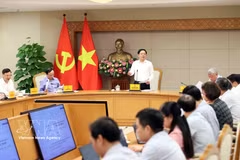
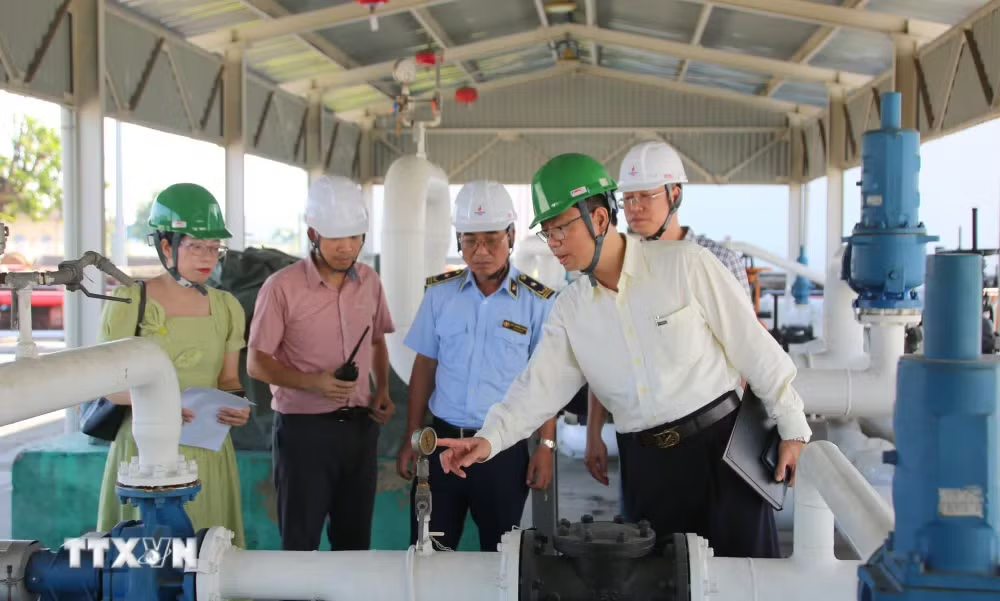
According to Bui Ngoc Bao, Chairman of the Vietnam Petroleum Association, fuel businesses have prepared well in advance for the transition, including securing capital and supplies, as well as arranging blending, storage and distribution.
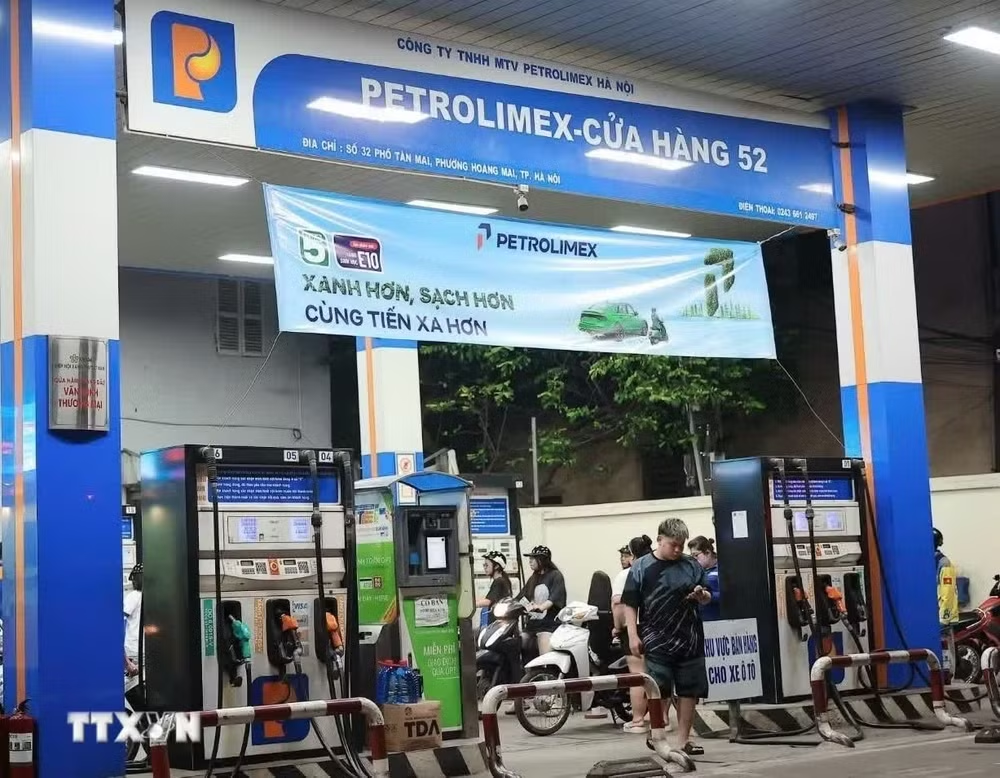
E5RON92 will continue to be sold alongside E10, providing consumers with greater choice and allowing the market to adapt gradually. The Ministry of Industry and Trade expects E5 to remain available until 2030, particularly for older vehicles that may not be compatible with E10.
Deputy Minister Nguyen Sinh Nhat Tan stressed that the transition must go hand in hand with technical safety, fuel quality and consumer protection.
With its nationwide rollout, E10 is therefore more than a new fuel option. It represents another step in Vietnam’s long-term energy transition – linking energy security, agricultural development and emissions reduction on the path towards a greener and more sustainable economy./.