Hanoi (VNA) - The Vietnam National Industry - Energy Group (Petrovietnam)’s contribution to national strategic infrastructure runs not only in energy assets, but also an industrial base, technology capability and management experience built over years.
Value beyond industrial-energy works
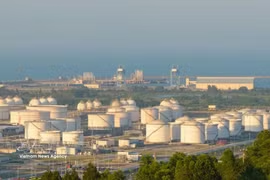
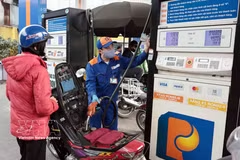
The group spans exploration and production, pipelines, gas facilities, power plants, refining and petrochemicals, fertiliser and technical services. That has created an integrated industrial-energy ecosystem across the value chain, supplying energy and feedstock to the economy and opening room for relevant industries and services.
The infrastructure payoff is in connectivity, not just standalone projects. Gas feeds power generation and fertiliser and industrial output while crude oil moves into processing, offshore facilities and technical services support production, operations, maintenance and hi-tech project delivery.
Once links are organised into chains, returns are measured by stable input supply, markets for supporting companies and technical jobs, not only project output. That spillover makes industrial-energy infrastructure a core part of national production capacity.
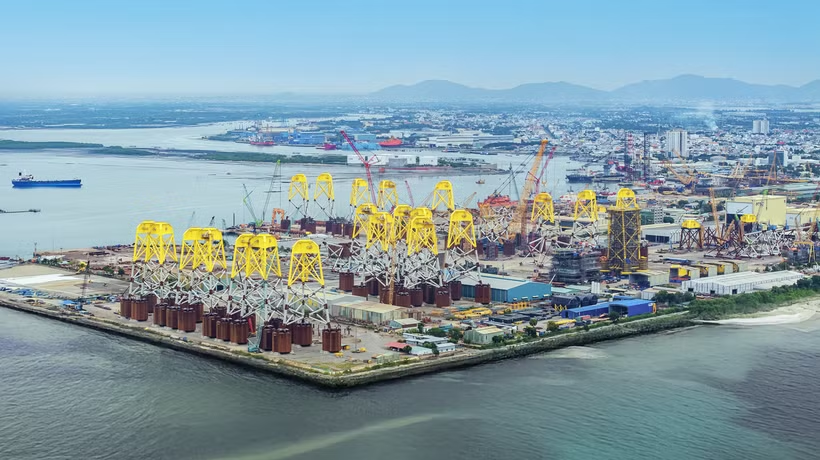
Offshore oil and gas exploitation demands high technical standards, strict safety and coordination across multiple teams in complex conditions. Delivering such projects builds experience in survey, design, fabrication, installation, operations and maintenance, and develops the engineer and technical workforce.
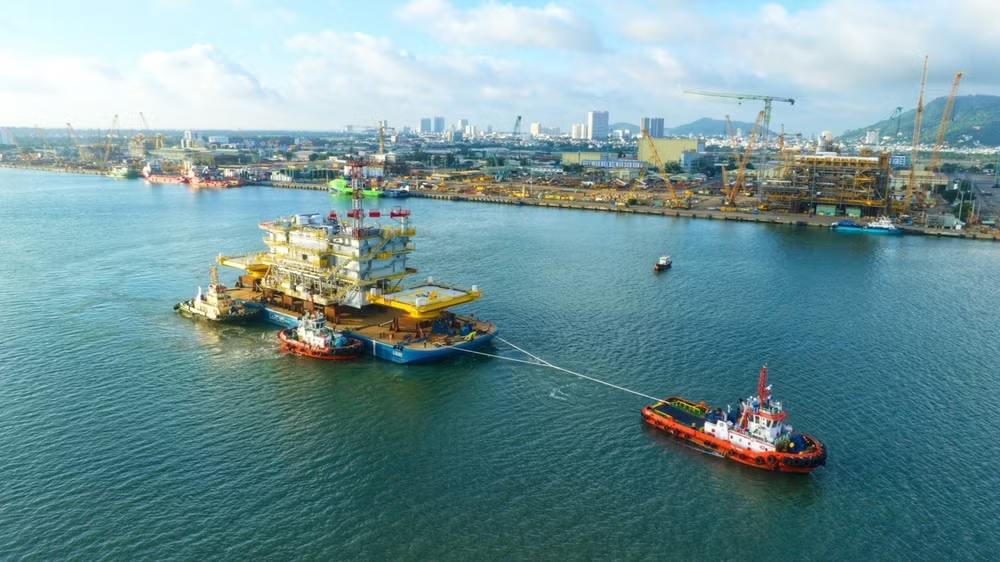
Those capabilities travel beyond oil and gas. They give domestic firms a platform to enter offshore works, mechanical manufacturing, technical services and new energy projects. Infrastructure spending thus doubles as capacity building, workforce development and technology mastery.
Governance is part of the asset base. Large-capital, long-cycle industrial-energy projects involve multiple partners and market swings. Execution requires planning, resource allocation, contract management, schedule and risk control and strict operating standards. Project experience becomes a lever for better returns and more complex tasks.
From domestic base to global delivery
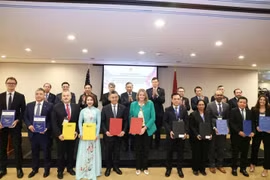
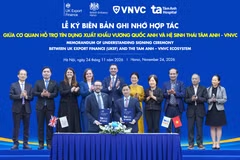
International cooperation has been central to Petrovietnam’s development. Access to capital, technology, management know-how and overseas markets let the group take on work beyond its initial scale and technical reach, gradually lifting project operations and domestic team capability.
The lasting gain is not imported technology or outsourced services. It is converting partnership experience into in-house capability so domestic firms can capture more high-tech, high-value stages. Deeper local involvement in design, fabrication, installation, operations and maintenance lifts the whole industrial ecosystem, not just one project.
That matters for strategic infrastructure. A project can be built with international partners, but economic value depends on technology mastery, operating capability and post-investment system maintenance. Equipment and service imports alone cap domestic capacity. Pairing cooperation with workforce development, governance upgrades and broader involvement of local companies creates a platform for the next step.
On that base, Petrovietnam’s task is to squeeze more from existing assets and tighten links across energy, processing, technical services and logistics. Integrated industrial energy centres offer a way to expand infrastructure value. That means connecting production sites, energy supply, shared infrastructure and support services to optimise resources, cut costs and build competitive value chains.
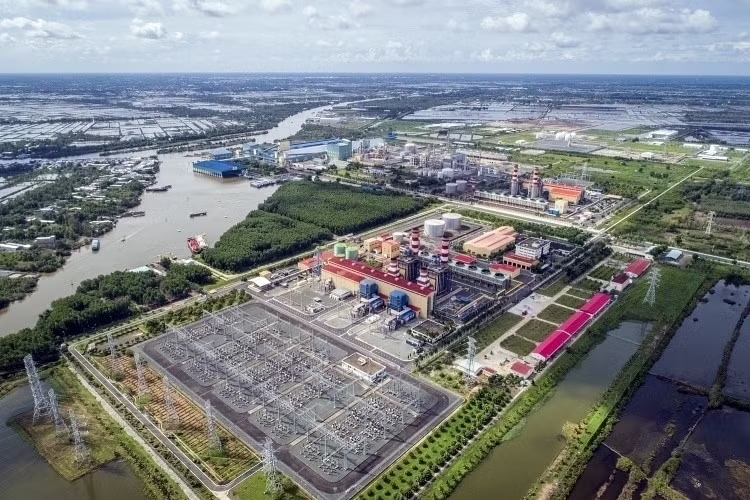
The model only works if physical assets move in step with technology and management. Ports, storage, pipelines, plants and energy facilities need data systems, fit-for-purpose operating models and skilled staff. Automation, digital technology and new energy solutions must be tied to execution capacity and real production use.
Partner, technology and investment choices should be judged on more than project-level returns. They also need to develop talent, open markets for supporting firms, upgrade technical services and raise Vietnamese companies’ share of supply chains.
Petrovietnam has already built many pieces of that foundation. Its contribution is therefore not just output or budget revenue, but accumulated industrial, technology, workforce and management capacity, and the ability to link domestic resources to international markets. Converting those foundations into performance is key to Petrovietnam’s continued role in Vietnam’s self-reliance and long-term competitiveness./.