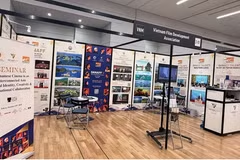
Tokyo (VNA) – The Vietnam Film Development Association (VFDA) and Vietnamese Embassy in Japan used the Tokyo International Film Festival 2026 (TIFF 2026) to stage a seminar themed “Vietnamese Cinema in a Connected Asia: Cultural Identity, Creativity and International Cooperation”.
In his opening speech, Vietnamese Ambassador Pham Quang Hieu said cinema can add cultural and human depth to the Vietnam-Japan Comprehensive Strategic Partnership. He pushed three tracks: workforce and creativity through exchanges, mentorship and practical training, audience access via festivals, archives, cultural venues and curated screenings; and filmmaker-business-Government links to support production, skills, intellectual property (IP) protection and co-production.
Governor of Kanagawa prefecture Kuroiwa Yuji cited the opera “Princess Anio,” a 400-year-old Hoi An love story between Princess Anio and Japanese merchant Araki Sotaro, introduced for the 50th anniversary of Vietnam-Japan ties. He said historical exchange can fuel art, and multi-form projects, including a musical film version, can further cultural exchange.
VFDA Chairwoman Ngo Phuong Lan framed the issue as identity versus international reach: how Vietnamese cinema can keep pace globally while preserving identity and finding stories that travel with foreign audiences.
The seminar centred on two strategies of spreading Vietnamese films abroad and improving local production conditions. In the first session, director Phan Dang Di and a Fukuoka Film Archive representative said preservation must be paired with broad presentation so international audiences can access Vietnamese cinema systematically. Alongside DANAFF’s four pillars of competition, heritage, training and industry connection, commercial distribution is a direct, feasible route.
In a notable deal, Sai Pro bought Japanese distribution rights to Bui Thac Chuyen’s “Dia dao: Mat troi trong bong toi” (Tunnel: Sun in the Dark) and proposed Vietnam-Japan producer exchanges. That requires Vietnam to study both Japan’s commercial and arthouse markets to target the right audience segment.
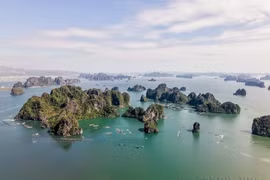
In the second session, Quang Ninh, Hai Phong and international experts examined local support for permits, administrative procedures and logistics. Nguyen Thi Hanh from Quang Ninh and Dao Trong Duc from Hai Phong suggested a “two localities, one destination” model linking Hai Phong’s port city and architectural heritage with Ha Long Bay and other natural attractions of Quang Ninh. The aim is a shared logistics menu, less travel time, simpler coordination and lower costs for crews.
Ruriko Sekine from the Japan Film Commission (JFC) described a network of about 400 crew support units that generates direct local revenue during shoots and drives film tourism after release via location maps and tours. Cinematographer Sven Zellner said localities should also create coherent conditions for domestic filmmakers, especially young directors seeking new forms.
For promotion in Japan, deeper ties with local organisations and partners matter for reaching Japanese and international audiences, finding distribution and developing co-production. Sharing experience in crew support mechanisms and cross-sector coordination can help Vietnamese localities refine incentives for film projects.
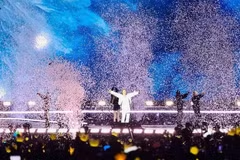
After the seminar, the VFDA and Vietnamese embassy in Japan held “Vietnam Night” within TIFF 2026. The event was a highlight of Vietnam’s Tokyo film promotion and reflected VFDA’s push to make cinema a bridge for Vietnamese culture, people and creative industry globally.
Guests watched a video on Vietnamese cinema and the Da Nang Asian Film Festival (DANAFF). Footage of works, filmmakers, talent development and industry networking showed Vietnamese cinema’s momentum and showcased DANAFF as a forum for Vietnamese filmmakers to engage the region and the world./.