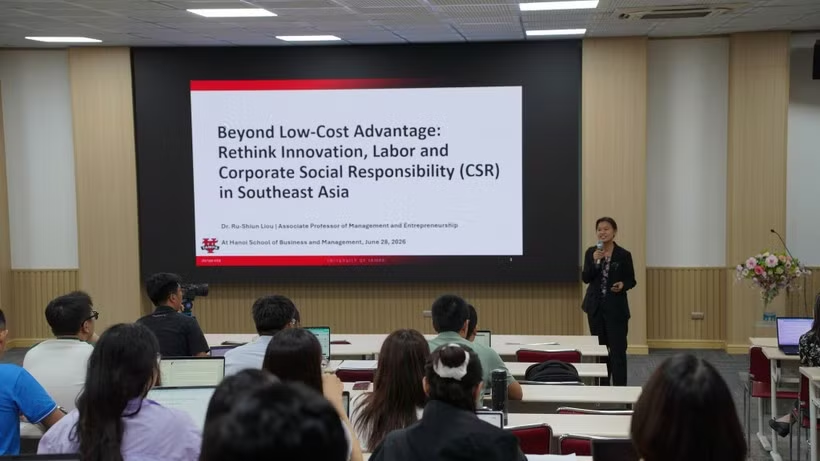
Hanoi (VNA) – Educational cooperation in Vietnam will shift from “integration in scale” to “integration in quality,” and from receiving to shaping cooperation. The aim is to make international cooperation a direct resource for the education sector’s development goals.
According to the Ministry of Education and Training (MOET), around 40,000-50,000 Vietnamese go abroad to study each year on average over the past five years. More than 200,000 Vietnamese students are currently studying overseas, with those pursuing STEM fields accounting for more than 30%.
Meanwhile, Vietnam receives about 22,000 international students each year, while nearly 30,000 foreign students take short-term courses in the country through exchange and joint training programmes.
Foreign investment in education has also gradually expanded, with 707 foreign-invested projects in the sector, totaling 993 million USD as of May 15, 2026.
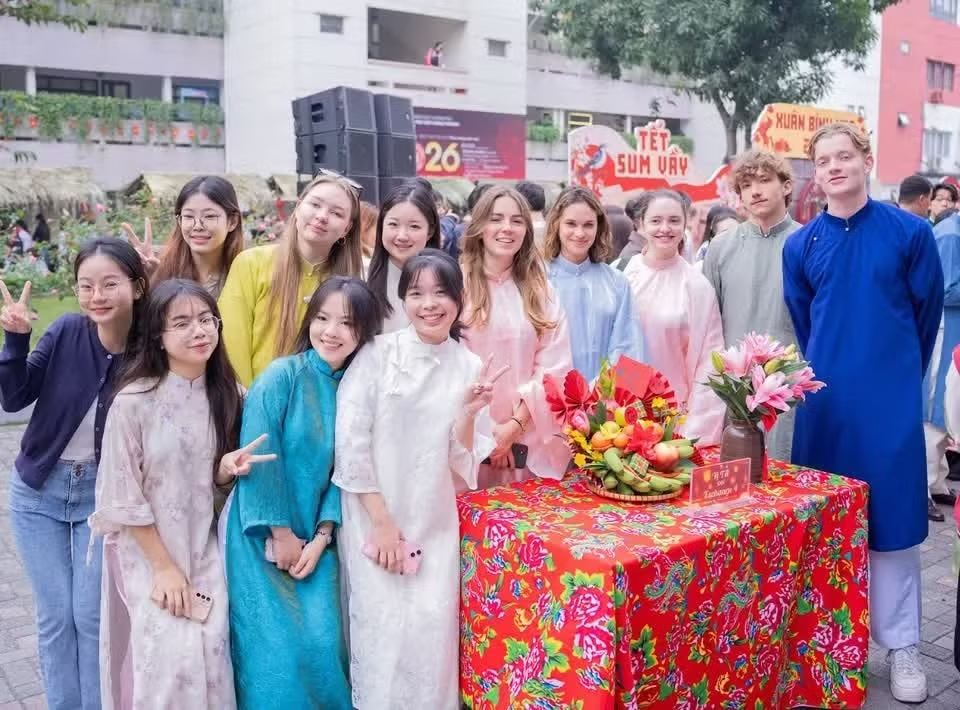
The MOET said these figures show that Vietnam’s education sector has established an increasingly broad international cooperation network, but its level of internationalisation remains modest. International students account for only around 1% of the total student population, while foreign investment in education in Vietnam remains limited.
Joint training programmes are concentrated largely in economics and business, while the shift towards STEM and strategic technology fields has been slow.
This situation calls for a shift from expanding cooperation in scale to improving its quality and effectiveness, and from receiving to shaping cooperation. International partnerships need to be more closely linked to Vietnamese education development priorities, particularly high-quality human resources training, scientific research, innovation, and strategic technology development.
The goal is to make international cooperation a direct resource serving the education sector’s development objectives.
Proactively shaping cooperation
The MOET also noted that amid global knowledge sharing, international cooperation is no longer simply a supplementary activity for education but is increasingly becoming a driver of innovation.
Through international partnerships, educational institutions can access new models, methods and experience, expand training and research, facilitate exchanges among lecturers, learners and experts, and strengthen links between education, businesses and the labour market.
As Vietnam integrates further into the international community, it needs not only to learn from international experience but also to actively share its own achievements, models and experience, gradually enhancing the role of Vietnamese education internationally.
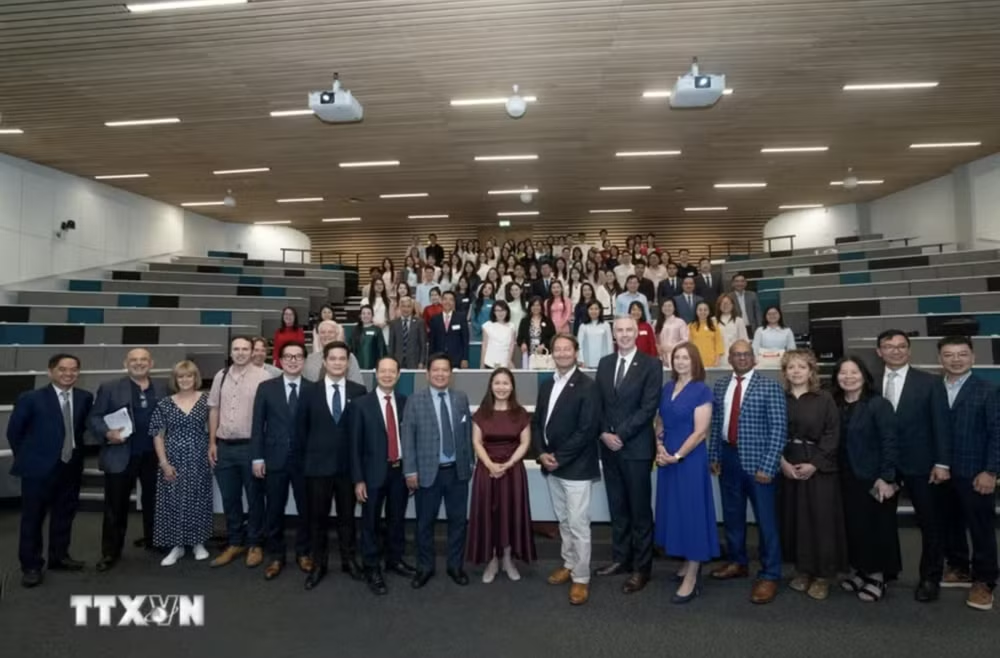
The MOET has also set the direction of strengthening international cooperation and integration. Its goal is to diversify government-university-business cooperation mechanisms, promote demand-driven training between educational institutions and businesses, and strengthen links between Vietnamese educational institutions and foreign educational institutions, particularly leading global technology companies.
These efforts are expected to increase resources for Vietnamese education while promoting Vietnam as an education destination in the region.
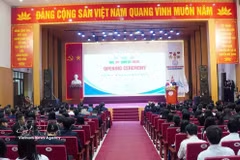
With a focus on proactive cooperation and quality, the ministry said Vietnam will organise the International Conference on Education Cooperation in the Digital Era in Hanoi on October 8-9.
The conference is a concrete step in strengthening international cooperation and integration in education. It will provide a platform for domestic and foreign partners to discuss common issues, share experience, connect resources, and explore new forms of cooperation suited to the development needs of education in the digital era.
Through these efforts, Vietnam aims to pursue deeper and more substantive cooperation that is more closely aligned with the country’s development needs. It will seek to absorb international knowledge, technology and experience while sharing, connecting and jointly creating new values for education./.