Hanoi (VNA) - Hanoi is under pressure to turn heritage, people and ideas into a new growth engine as it follows the Politburo’s Resolution 80-NQ/TW on developing Vietnamese culture.
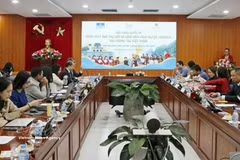
An action plan issued on March 17 aims to link cultural development to institutional reform, social resource mobilisation, technology adoption, and larger creative spaces to build a competitive cultural industry ecosystem to regional standards.
Heritage as an asset
Resolution 80-NQ/TW, dated January 7, 2026, treats culture as a core internal strength and a driver of sustainable growth, demanding new thinking and a bigger cultural role in the socio-economic agenda and living standards.
Hanoi’s stock of relics, craft villages, festivals, folk arts and Thang Long-Hanoi cultural assets gives it a strong base for cultural industries.
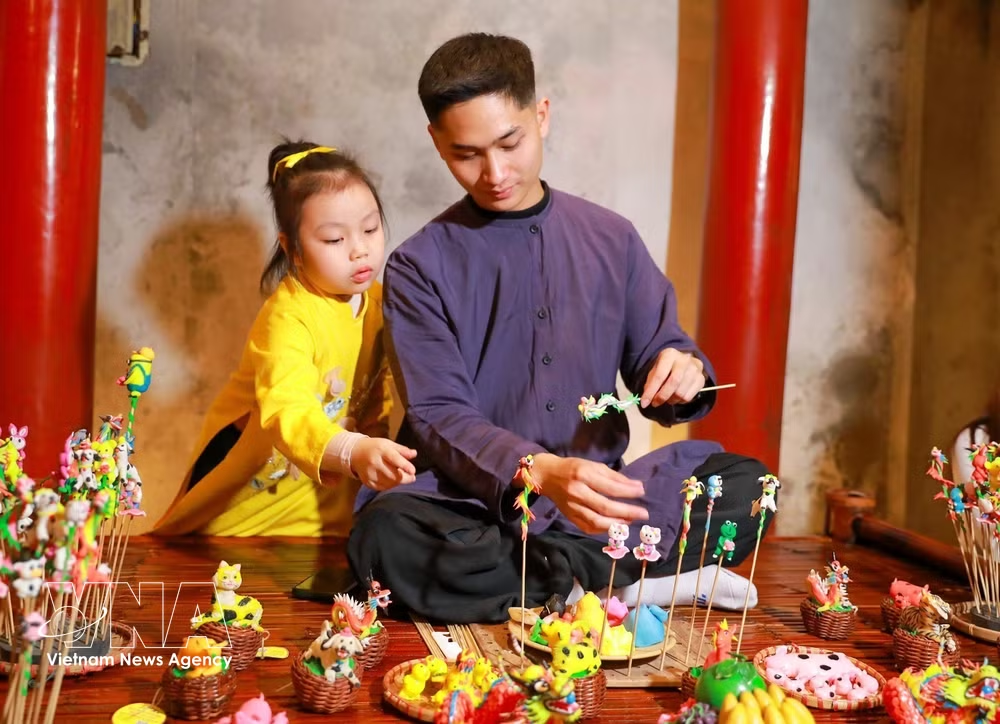
Bui Hoai Son, Deputy Head of the Party Central Committee’s Commission for Publicity, said Hanoi has moved from traditional preservation and heritage exploitation toward linking cultural values with cultural industry development. Many relics have revamped programming and created cultural spaces that are friendlier and easier for the public to reach.
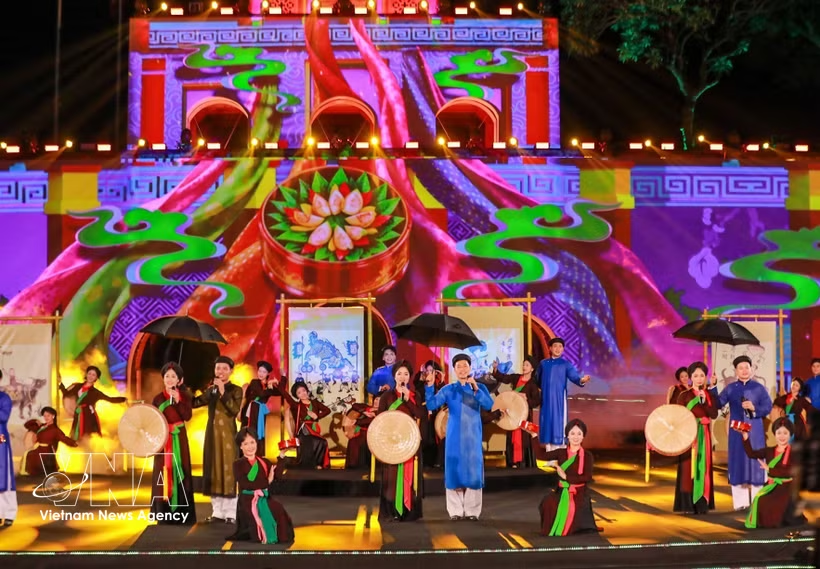
At the Thang Long Imperial Citadel heritage site, exhibition areas are being revamped alongside the Kinh Thien Palace restoration, hosting major events, including the Thang Long-Hanoi Festival, the Cultures of the World Festival, and the first Global Festival for the Conservation and Development of Craft Villages 2026.
Nguyen Thanh Quang, Director of the Thang Long-Hanoi Heritage Conservation Centre, said the events pull heritage closer to the public and widen the contemporary use of heritage values.
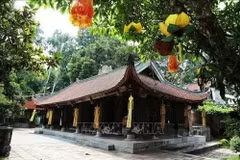
At the Van Mieu – Quoc Tu Giam (Temple of Literature-Imperial Academy), a special national relic cultural space is expanding into Noi Tu (Inner Temple), Vuon Giam (Giam Garden) and Ho Van (Van Lake) with night-economy activities and heritage digitisation.
Le Xuan Kieu, Director of the Van Mieu – Quoc Tu Giam Centre for Cultural and Scientific Activities, said it will become a base for preserving Vietnam’s Confucian-learning tradition and a creative cultural space.
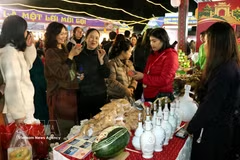
In the suburbs, craft villages and cultural communities are becoming local growth assets. Quang Phu Cau incense-stick village in outlying Ung Thien commune is a standout stop on the “Nam Thang Long-Hanoi Heritage Road” tour.
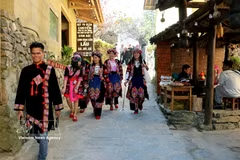
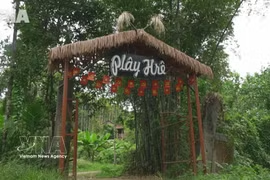
Muong Coc in outlying My Duc commune, meanwhile, has leveraged Muong cultural values to become a city-level tourism area and draw foreign visitors.
The models show that heritage can travel further when tied to experiences and tourism. But sustainable growth will require support mechanisms that balance identity preservation, product development and community benefits.
Expanding creative space
The action plan turns the resolution into tasks and solutions meant to make culture a development resource and sharpen responsibility across agencies and localities. A key priority is expanding creative space so cultural ideas can be formed, tested and turned into products.
Bui Thi Huong Thuy, Head of the Arts and Cultural Industry Division at the Municipal Department of Culture, Sports and Tourism, said Hanoi’s 2019 entry into the UNESCO Creative Cities Network in design gives the city a platform for cultural industries and opens new creative space. The capital now has more than 200 creative cultural spaces across various fields, helping refresh how it uses cultural resources.
Still, durable value will require spaces that connect research, design, production, promotion and distribution.
According to experts, Hanoi can design flexible space-use plans, clear operating rules and incentives for organisations and individuals in creative work. Stronger digital technology adoption is also needed to refresh creative methods and product promotion.
Interdisciplinary artist Nguyen Quoc Hoang Anh said infrastructure alone is not enough, as the cultural industry ecosystem needs links among regulators, businesses, training facilities, artists and the community to fix fragmented projects, weak product outlets and underused resources.
Expanding creative space and unlocking cultural resources should follow a cohesive approach, where heritage is the foundation, people are the focus, creativity drives innovation, technology acts as the tool, and the market provides the conditions for development.
If the mechanisms work, Thang Long-Hanoi culture will not just be preserved, but will keep generating new value, feeding economic growth, lifting living standards and affirming the capital’s place in the UNESCO Creative Cities Network, he said./.