Ho Chi Minh City (VNA) – Vietnamese consumers remain the most optimistic in ASEAN about the economic outlook although mounting concerns over living costs, household spending, and global uncertainties are prompting more cautious financial management.
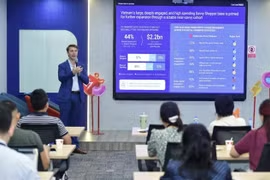
According to the ASEAN Consumer Sentiment Study (ACSS) 2026, released by the Singapore-based United Overseas Bank (UOB) on November 18, Vietnam recorded 63 points on the ASEAN Consumer Sentiment Index (ACSI), the highest among ASEAN countries and above the regional average of 54.
Despite a four-point decline from 2025, the score suggests that Vietnamese consumers remain optimistic about the country’s economic outlook.
From a macro perspective, consumer sentiment about the current and future economic environment remains the same among Vietnamese consumers. Just like in 2025, 84% remain positive about the economic situation, the study found.
However, environmental risks are a prominent concern in Vietnam, it said, noting that compared to other consumers within the region, who are most worried about the increased cost of living due to inflation, Vietnamese are most concerned about climate change, natural disasters, and pollution (65%) – more so compared to 2025 (61%).
Meanwhile, 62% expressed concern about rising living costs, an increase of 8 percentage points. Concerns over household spending and global geopolitical developments each account for 60%, up 10 and 8 percentage points, respectively.
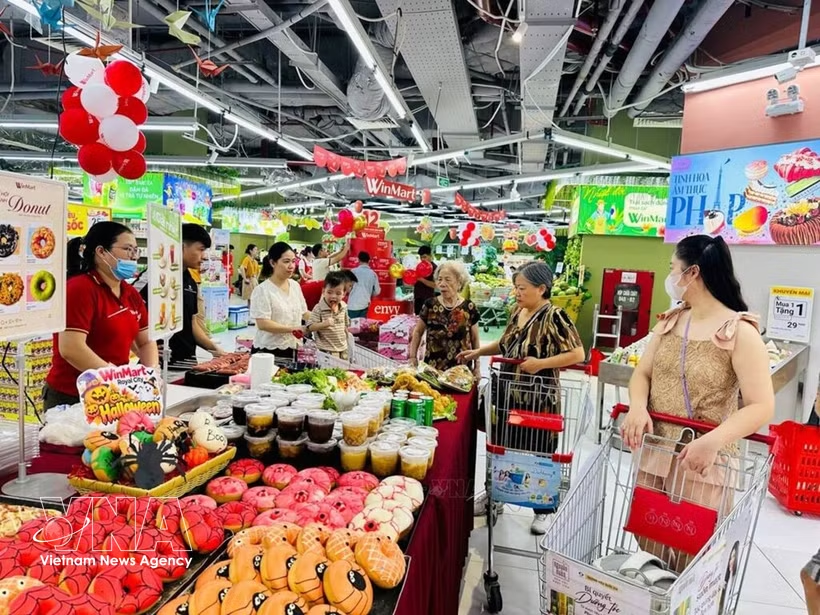
These pressures are reflected in spending patterns, with consumers prioritising essential needs. Net spending increases were recorded for utilities with 16%, education and healthcare, 15% each, food and necessities, 14%, and daily transport, 13%.
Paul Kim, Head of Personal Financial Services at UOB Vietnam, said Vietnam’s continued lead in ASEAN consumer sentiment reflects consumer confidence in the economy’s long-term growth prospects. However, the findings also show that people are becoming more cautious in financial decisions and placing greater emphasis on personal financial discipline amid economic uncertainties.
He said balancing confidence in prospects with prudent financial management will help households navigate immediate challenges while preparing to seize future opportunities.
The study also found that 40% of Vietnamese respondents use professional financial advisers, compared with the ASEAN average of 32%.
Digital tools also play an increasingly important role, with 85% of Vietnamese consumers using digital wealth management tools, primarily to gain insights into their financial situation; track spending, income, or cash flow; and buy, sell, or adjust investments.
UOB’s study also found that Vietnamese consumers continue to demonstrate a high level of financial preparedness. It said that the majority (92%) of Vietnamese consumers feel confident in their ability to manage their personal finances effectively. While this represents a two-percentage-point decrease from 2025, the findings suggest that financial confidence remains widespread.
Nevertheless, confidence in meeting long-term financial goals showed signs of weakening. The proportion who believed they had sufficient insurance coverage for current and future needs fell 6 percentage points to 76%, while those confident that their existing investments will support retirement plans and long-term goals dropped 7 percentage points to 69%.
The findings suggest that Vietnamese consumers continue to save, accumulate wealth and invest, while becoming more cautious about their ability to secure long-term financial stability amid economic uncertainties and rising living costs./.